What Is The History Behind Kilim Rugs?
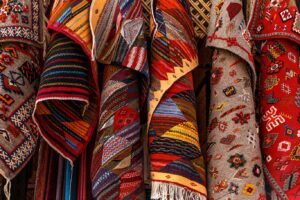
The history behind kilim rugs is rich, practical and deeply connected to the everyday lives of the people who made them. Kilim rugs are traditional flatwoven textiles that have been produced for centuries across regions including Anatolia, Persia, the Caucasus, Central Asia and North Africa. They were not originally created simply as decorative home accessories. They were used as floor coverings, wall hangings, prayer rugs, storage bags, tent dividers and important cultural objects.
Today, kilim rugs are admired for their bold patterns, natural texture and ability to suit both traditional and modern interiors. Their appeal comes partly from their design, but also from their story. Each kilim reflects a weaving tradition shaped by geography, available materials, family knowledge and symbolic motifs passed through generations.
Understanding the history behind kilim rugs can help you appreciate why they remain so distinctive. They are not just patterned rugs. They are examples of practical craftsmanship with cultural depth, visual character and lasting interior appeal.
Where Did Kilim Rugs Originate?
Kilim rugs do not belong to one single country or culture. The word “kilim” is commonly used to describe flatwoven rugs from a wide geographical area, particularly parts of Turkey, Iran, Afghanistan, the Balkans, the Caucasus and Central Asia. These regions have long traditions of weaving, often linked to nomadic or semi-nomadic communities.
In many of these communities, weaving was an essential part of daily life. Families needed textiles that were portable, durable and useful in different settings. Unlike heavy pile rugs, kilims were relatively lightweight and could be rolled, moved and reused easily. This made them especially practical for people who travelled with tents, animals and household possessions.
The materials used were usually drawn from local resources. Wool was widely used because sheep and goats were common in many weaving regions. Natural dyes were often made from plants, minerals and insects, creating earthy reds, blues, browns, creams, greens and golds. These colours varied depending on the local landscape and dyeing knowledge.
Over time, different regions developed recognisable styles. Some kilims became known for strong geometric patterns, while others featured more intricate arrangements, symbolic borders or repeated motifs. This regional variety is one of the reasons kilim rugs remain so interesting today.
What Makes Kilim Rugs Different From Other Rugs?
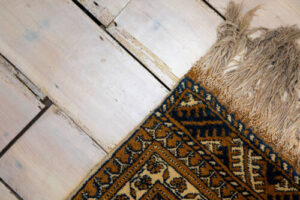
The main difference between kilim rugs and many other rugs is the weaving technique. Kilims are flatwoven, which means they do not have the raised pile often found in hand-knotted rugs. Instead of knots forming a soft surface, the warp and weft threads are interlaced to create a thinner, flatter textile.
This gives kilim rugs their distinctive feel and appearance. They tend to be lighter in weight, lower in profile and often more flexible than pile rugs. Their patterns are usually formed directly through the weaving process, rather than being added afterwards.
The flatweave construction also affects where kilims can be used. Because they have no thick pile, they can work well in areas where doors need to open over the rug or where a lower surface is preferred. They can also be layered with other rugs for a textured, relaxed look.
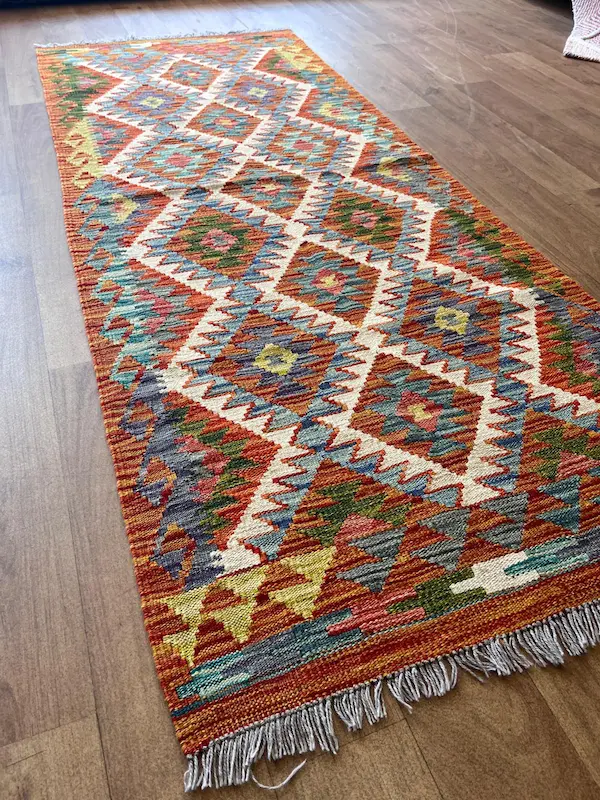
A kilim’s design is often crisp and graphic because the patterns are created through blocks of colour and geometric forms. This is why kilims can sit comfortably in contemporary homes as well as traditional interiors. Their bold shapes can add energy to simple rooms, while their handmade character adds warmth and individuality.
If you are exploring flatwoven designs for your own home, Rugs of Dorset has a dedicated kilim rugs collection that reflects this enduring style.
How Were Kilim Rugs Used Historically?
Historically, kilim rugs were highly practical objects. In nomadic and rural communities, textiles were part of everyday living. They helped make tents more comfortable, protected people from cold ground, created privacy and provided storage.
A kilim might be used on the floor during the day, hung on a wall for insulation, placed over bedding or used to divide areas inside a tent. Some kilim textiles were made into bags for carrying belongings, grain, clothing or household items. Others had ceremonial or symbolic value.
This flexible use is important because it explains the durability and portability of kilims. They were made for real life, not just display. They needed to be strong enough to handle movement, use and changing conditions.
In some regions, kilims were also woven for dowries or special family occasions. A young woman might weave pieces that would become part of her future household. These textiles could show skill, family identity and cultural knowledge. The patterns were not random decoration. They often carried meaning, memory and tradition.
What Do Traditional Kilim Patterns Mean?
Traditional kilim patterns often include symbolic motifs. These designs can vary by region and community, but many were associated with protection, fertility, family, good fortune, strength or the natural world.
Common motifs include stylised hands, stars, hooks, combs, trees, animals, eyes and geometric symbols. Some were believed to protect against bad luck, while others represented hopes for marriage, prosperity or continuity. Borders could frame the design and give structure, while repeated motifs created rhythm and balance.
It is important not to oversimplify these meanings. The same motif may have different interpretations depending on where and when the rug was made. Some patterns were chosen for symbolic reasons, while others reflected inherited design habits or the weaver’s own preference.
For modern buyers, these motifs add to the visual richness of kilim rugs. Even when the exact meaning is not known, the pattern often gives the rug a sense of depth and human connection. It reminds us that the design came from a weaving tradition rather than a purely commercial trend.
Why Are Colours So Important In Kilim Rugs?
Colour has always played a central role in kilim rugs. Traditionally, dyes were made from natural materials found in the local environment. Madder root could create reds and oranges, indigo could produce blues, and various plants could create yellows, greens and browns.
Because natural dyeing depends on materials, water, climate and technique, colours could vary widely. This variation is part of the charm of older and traditionally inspired kilims. Slight shifts in tone can make the rug feel alive rather than flat.
The colours also helped express regional identity. Some areas became associated with particular palettes, such as deep reds, warm rusts, rich blues or strong contrasts. These colours were not only decorative. They reflected the materials and knowledge available to the weavers.
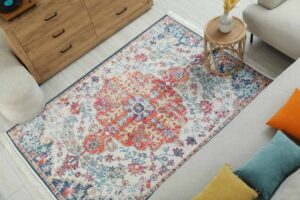
In modern interiors, kilim colours can be used in several ways. A bright kilim can become a focal point in a neutral room. A softer, faded kilim can add character without overpowering the space. Earthy tones can work beautifully with wood, stone, linen and natural textures.
How Did Kilim Rugs Become Popular In Western Interiors?
Kilim rugs became increasingly popular in Western interiors as travel, collecting and global trade brought traditional textiles into wider view. Designers, collectors and homeowners were drawn to their strong patterns, handmade feel and ability to work in a range of rooms.
In the UK, kilims have become especially popular with people who want interiors that feel layered rather than overly polished. They can suit period homes, cottages, converted flats, modern apartments and relaxed family spaces. Their flatwoven texture works well with wooden floors, tiles and neutral décor.
The rise of eclectic and bohemian interiors also helped increase interest in kilim rugs. However, their appeal is not limited to one style. A kilim can look striking in a minimalist room because it adds contrast and warmth. It can also sit naturally in a traditional room alongside antique furniture, bookshelves and soft lighting.
This flexibility is one reason kilim rugs have remained relevant. They are historic in origin but not old-fashioned in use.
Are Kilim Rugs Practical For Modern Homes?
Kilim rugs can be very practical for modern homes, provided they are used in the right setting. Their flatwoven structure makes them suitable for rooms where a low-profile rug is useful. They can work in living rooms, bedrooms, studies, dining rooms and hallways, depending on the material and construction.
Because they are thinner than pile rugs, some kilims may benefit from a rug underlay. This helps prevent slipping, adds comfort and keeps the rug sitting neatly on the floor. It is particularly useful on wood, laminate, tile or other smooth flooring.
Kilim rugs are also relatively easy to move and rotate, which helps balance wear. This is helpful in busy homes where furniture layouts change or where sunlight falls unevenly across the floor.
However, not every kilim is suited to every room. A delicate or older piece may be better in a quieter area. A more robust flatweave may suit a busier space. As with any rug, the best choice depends on foot traffic, furniture placement, cleaning needs and the feel you want to create.
Why Do Kilim Rugs Suit Contemporary Interiors?
Kilim rugs suit contemporary interiors because they combine simple construction with strong visual impact. Their geometric designs can echo modern lines, while their handmade character stops a room feeling too clinical.
In a plain room, a kilim can add colour and movement. In a neutral space, it can introduce warmth and texture. In an open-plan area, it can help define a seating or dining zone without adding walls or bulky furniture.
They also work well with natural materials. Kilims often pair beautifully with oak flooring, rattan, leather, linen, wool throws and painted furniture. This makes them suitable for homes that aim for comfort rather than formality.
For smaller rooms, kilim rugs can be especially useful because their low profile avoids adding visual bulk. A carefully chosen design can make the room feel styled without making it feel crowded.
How To Choose A Kilim Rug With Its History In Mind
When choosing a kilim rug, it helps to think beyond colour and size. Consider the tradition behind the style, the meaning of the flatwoven structure and the way the rug will be used in your home.
A bold geometric kilim may suit a living room that needs energy. A softer, muted design may work better in a bedroom. A runner-style kilim can bring pattern to a hallway, while a smaller kilim can add interest to a reading corner or home office.
Think about the relationship between the rug and the rest of the room. Kilims are often expressive, so they work best when given enough space to be noticed. This does not mean the room has to be plain, but the colours should connect with other elements such as cushions, artwork, curtains or wood tones.
If you like the look of kilims but need a different size or shape, you may also want to compare small rugs, medium rugs and runner rugs to find the most practical fit.
Frequently Asked Questions
Are kilim rugs always handmade?
Traditional kilim rugs are handwoven, although modern versions can vary. If handmade construction matters to you, check the product details carefully and look for information about materials, weave and origin where available.
Are kilim rugs comfortable underfoot?
Kilim rugs are flatter and thinner than deep pile rugs, so they feel different underfoot. They may not feel as soft as a thick wool rug, but they can still add warmth, texture and comfort, especially when used with an underlay.
Do kilim rugs only suit traditional homes?
No. Kilim rugs can work beautifully in modern homes. Their geometric patterns and flatwoven texture suit contemporary, rustic, bohemian and classic interiors, depending on the colours and layout.
Summary
The history behind kilim rugs is rooted in practical weaving, cultural symbolism and everyday use. These flatwoven textiles were created across many regions for homes, tents, ceremonies and daily life. Their patterns often carried meaning, while their materials and colours reflected local landscapes and traditions.
Today, kilim rugs remain popular because they offer more than decoration. They bring texture, heritage, colour and individuality into the home. Whether used in a living room, bedroom, hallway or study, a kilim can help make a space feel warmer and more personal.
Explore Rugs of Dorset to discover kilim rugs and other rug styles that can bring character, comfort and history into your home.
Phone: 01305 605550
Email: info@rugsofdorset.co.uk
Find out more: /