What Materials Are Best For Runners In High Traffic Areas?
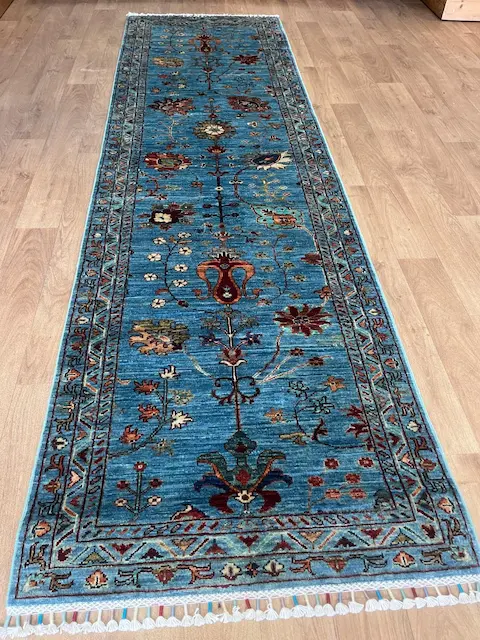
The best materials for runners in high traffic areas are usually wool, durable synthetic fibres, flatwoven blends and other tightly constructed materials that can cope with repeated footfall. A runner placed in a hallway, entrance, landing, kitchen walkway or corridor has a harder job than many other rugs in the home. It needs to look good, feel comfortable, stay in place and handle daily use.
In many UK homes, runners are exposed to shoes, muddy paws, school bags, pushchairs, shopping, wet weather and constant movement between rooms. That means material choice matters. A beautiful runner that is too delicate for its location may quickly show wear, flattening, stains or frayed edges.
A well-chosen runner can protect flooring, reduce noise, add warmth and make narrow spaces feel more welcoming. The key is choosing a material that suits both the room and the way the household uses it.
What Makes A Runner Suitable For High Traffic Areas?
A runner for a high traffic area needs more than an attractive design. It should be made from fibres and construction methods that can withstand regular pressure. In a hallway or entrance, people often walk along the same path every day, which creates concentrated wear.
A suitable runner should be resilient, stable and practical to maintain. It should not crush too easily, shed excessively or become slippery underfoot. It should also have secure edges because the sides of a runner often take a lot of strain, especially in narrow spaces where feet regularly catch the border.
The best high traffic runners usually have these qualities:
- Strong fibres that can recover from pressure
- A relatively tight weave or dense construction
- A pattern or tone that disguises everyday marks
- Secure edging to reduce fraying
- A profile that does not obstruct doors
- Compatibility with a suitable rug underlay
Material is only one part of the decision. The runner’s weave, pile height, backing, placement and maintenance routine all influence how well it performs.
Is Wool A Good Material For Hallway Runners?
Wool is one of the best natural materials for hallway runners and other high traffic areas. It is widely valued because it is resilient, warm, comfortable and naturally suited to everyday use. Wool fibres can spring back after being compressed, which helps the runner retain its appearance for longer.
A wool runner can work particularly well in hallways, landings, bedrooms and living spaces where comfort and durability are both important. It adds softness underfoot while still offering a robust surface. Wool also tends to disguise minor dirt and marks better than some smoother fibres, especially when the design includes pattern or tonal variation.
Another benefit is that wool has a naturally rich texture. This gives a runner depth and character, even in a simple colour. In a long hallway, a wool runner can make the space feel warmer, quieter and more inviting.
However, wool is not completely maintenance-free. It still needs regular vacuuming, prompt spill care and protection from excessive damp. In an entrance where wet shoes are common, it may be worth using a doormat before the runner begins. This helps reduce the amount of grit and moisture brought onto the fibres.
Are Synthetic Runners Practical For Busy Homes?
Synthetic runners can be very practical in busy homes, especially where easy cleaning and affordability are priorities. Materials such as polypropylene, polyester and nylon are commonly used in rugs because they can offer good durability, stain resistance and colour stability.
For households with children, pets or frequent visitors, a synthetic runner may be a sensible choice. These fibres can often handle everyday spills and marks more easily than delicate natural materials. They are also available in a wide range of colours and patterns, making it easier to find a style that suits the room.
Polypropylene is popular for high traffic areas because it is generally hard-wearing and relatively easy to maintain. Nylon can also be very strong, though it is less commonly highlighted in some rug ranges than other fibres. Polyester can offer softness and good colour clarity, though the quality and construction will affect its long-term performance.
The main thing to remember is that not all synthetic runners are equal. A cheaply made runner with loose construction may still wear quickly, even if the fibre itself is practical. Look at the overall quality, not just the material name.
Do Flatwoven Runners Work Well In High Traffic Areas?
Flatwoven runners can be a very good option for high traffic spaces. Because they do not have a deep pile, they are lower in profile and often easier to place in narrow walkways or near doors. This can make them practical for hallways, kitchens, entrances and landings.
A flatwoven runner can also give a clean, structured look. Many kilim-inspired runners and flatweave styles use strong geometric designs, which can help disguise everyday wear. Their thinner construction means they may be easier to move, rotate and clean than heavier pile rugs.
However, flatwoven runners often need a good underlay. Without one, they can move on smooth flooring such as wood, tile, laminate or vinyl. Movement is not only annoying, it can also increase wear and create a trip risk. A suitable underlay helps keep the runner in position and can add extra comfort.
If you like traditional flatwoven style, Rugs of Dorset’s kilim rugs may offer useful inspiration for colour, pattern and texture. For narrow spaces, the dedicated runner rugs range is the most relevant place to compare options.
What Materials Are Easiest To Clean?
The easiest runner materials to clean are usually durable synthetics and some tightly woven wool options. The right choice depends on the type of dirt the runner is likely to face. A hallway runner may deal with grit and damp shoes, while a kitchen runner may face crumbs, splashes and occasional spills.
Synthetic fibres are often chosen for easy maintenance because many are resistant to staining and can be cleaned with straightforward methods. This can make them useful in family homes, rented properties and spaces where practicality is the main concern.
Wool can also be easier to live with than many people expect, especially when spills are treated quickly. Its texture can help hide light soiling, and regular vacuuming can remove dry dirt before it works deeper into the fibres. However, harsh cleaning products or too much water should be avoided, as they can damage wool or affect dyes.
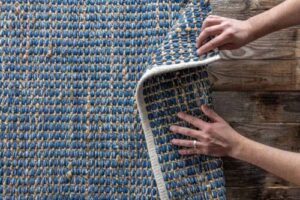
Natural plant fibres such as jute or sisal can look attractive, but they are not always the best choice for damp or messy high traffic areas. They can be harder to clean if spills soak in and may not respond well to moisture. They are better suited to dry spaces where texture is more important than stain resistance.
Should You Choose A Low Pile Or Deep Pile Runner?
For high traffic areas, a low pile or flatwoven runner is usually more practical than a deep pile runner. Low pile rugs are easier to vacuum, less likely to trap dirt and often more stable underfoot. They also tend to work better near doors because there is less height to catch.
Deep pile runners can feel luxurious, but they are not always ideal for hallways or entrances. Dirt can sink into the fibres, footprints may show more easily and the pile can flatten where people repeatedly walk. In a bedroom or low-use dressing area, a deeper pile can be lovely. In a busy corridor, it may not be the most durable option.
A low pile wool runner, dense synthetic runner or flatwoven design can provide a better balance between comfort and practicality. These options still add warmth and softness but are more suited to repeated daily movement.
This is especially important in homes where the hallway connects several rooms. The runner should support the way the space is used, not become something you constantly worry about damaging.
What Colours And Patterns Are Best For Busy Runners?
Material is important, but colour and pattern also affect how well a runner performs visually over time. Very pale plain runners can look beautiful, but they may show marks quickly in a hallway or entrance. Very dark plain runners can hide some marks, but they may show dust, lint or pet hair.
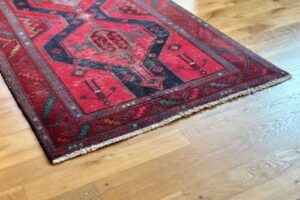
Mid-tones are often the safest choice. Warm neutrals, muted reds, soft blues, earthy browns, patterned greys, terracotta, olive and mixed tones can all work well in busy areas. They offer enough depth to disguise everyday use without making the space feel too dark.
Pattern is especially helpful. A runner with a traditional, geometric, faded or textured pattern can hide minor marks better than a completely plain design. This does not mean the rug needs to be bold. Subtle variation can be enough to make the runner more forgiving.
In narrow hallways, pattern direction matters too. A lengthways design can guide the eye and make the space feel longer. A strong border can frame the runner neatly, but if the hallway is very narrow, a heavy border may make the space feel tighter.
Which Runner Materials Are Best For Different Areas?
Different high traffic areas have different needs. A front hallway needs durability and dirt resistance. A landing may need comfort and quietness. A kitchen walkway may need easy cleaning and a lower profile.
For entrances, durable wool or synthetic runners are often practical choices. Pairing the runner with a proper doormat can help reduce grit and moisture before it reaches the rug. For hallways, wool, synthetic blends and flatwoven designs can all work well, depending on the level of use.
For landings and upstairs corridors, wool can be a strong choice because it feels warm and helps reduce noise. For kitchen walkways, a low profile synthetic or flatwoven runner may be easier to manage, particularly if spills are likely.
For rented properties or commercial-style spaces, practicality may come first. A hard-wearing synthetic runner with a forgiving pattern can offer a sensible balance of cost, durability and appearance.
Why Rug Underlay Matters In High Traffic Areas
A runner in a high traffic area should usually be used with a suitable underlay. This is especially important on smooth flooring. Without underlay, the runner may slide, wrinkle or move out of position. That can make the space less safe and increase wear on the rug.
Underlay helps absorb some movement and friction. It can also make the runner feel more comfortable underfoot and help it sit more neatly. In a hallway, where people walk the same route many times a day, this extra stability can make a real difference.
The type of underlay should suit both the rug and the flooring. A runner on wood may need a different underlay from one on tile or carpet. It is worth checking suitability before buying, especially if you have underfloor heating, delicate flooring or a very thin flatweave runner.
Underlay is not the most visible part of a rug purchase, but it can have a major effect on everyday performance.
How To Make A Runner Last Longer
Even the best material will wear faster if the runner is not cared for properly. High traffic areas naturally collect more dirt, so regular maintenance is essential. Dry grit can act like sandpaper on rug fibres, gradually weakening them as people walk over the surface.
Vacuuming is one of the simplest ways to extend a runner’s life. Use a suitable setting for the rug type and avoid aggressive brush bars on delicate weaves. Rotate the runner occasionally if the layout allows, especially if one end receives more footfall than the other.
Deal with spills quickly by blotting rather than rubbing. Rubbing can push liquid deeper into the fibres and may distort the surface. For more serious marks, follow the rug’s care guidance or seek professional cleaning advice.
It also helps to reduce outdoor dirt before it reaches the runner. A good entrance mat, shoe storage and regular sweeping near doorways can all help. In busy family homes, small habits like these can make a noticeable difference.
How To Choose The Right Runner For Your Home
The best runner material is the one that fits your lifestyle as well as your interior style. A quiet upstairs landing may suit a wool runner with a softer feel. A busy entrance may need a synthetic or patterned low pile runner that can cope with shoes and regular cleaning. A narrow hallway may benefit from a flatwoven design that sits close to the floor.
Before choosing, measure carefully. A runner should allow a visible border of flooring on either side, so the space looks balanced. It should not be so wide that it appears squeezed into the hallway, or so narrow that it looks lost.
Think about door clearance, furniture, radiators and the direction people walk. In high traffic areas, practical details matter. A runner needs to look good, but it also needs to work with the rhythm of the home.
If you are comparing sizes and styles, start with Rugs of Dorset’s runner rugs and consider whether a medium rug may be better for wider connecting spaces.
Frequently Asked Questions
Are wool runners good for hallways?
Yes, wool runners can be excellent for hallways because wool is resilient, comfortable and naturally durable. For very busy entrances, use a doormat as well to reduce grit and moisture.
Are flatwoven runners durable?
Flatwoven runners can be durable, especially when they are tightly made and used with a suitable underlay. Their low profile makes them practical for hallways, kitchens and areas near doors.
What is the easiest runner material to clean?
Synthetic fibres are often among the easiest to clean, particularly in busy homes with children or pets. Wool can also be practical with regular care, but it should be cleaned gently and protected from excessive moisture.
Summary
The best materials for runners in high traffic areas are durable, stable and easy to maintain. Wool is a strong natural choice because it offers resilience, warmth and long-term comfort. Synthetic fibres can be highly practical where stain resistance and simple cleaning are priorities. Flatwoven runners are useful where a low profile, flexible design and strong pattern are preferred.
To choose well, think about where the runner will sit, how much footfall it will receive and what kind of dirt or wear it is likely to face. Colour, pattern, pile height and underlay are just as important as the fibre itself. A good runner should protect your flooring, improve the feel of the space and stand up to daily life.
Explore Rugs of Dorset to compare runner rugs and other practical options for hallways, entrances and busy rooms. Phone: 01305 605550
Email: info@rugsofdorset.co.uk
Find out more: /