Vintage Rug Trends: How to Choose a Timeless Style
Vintage rug trends are moving towards softer, more liveable designs rather than overly distressed statement pieces. The most useful trends include faded neutrals, warm earth tones, muted traditional patterns, low-pile textures and flatwoven styles that add character without overpowering a room.
The best vintage style rug is not simply the one that feels most fashionable. It should suit the size of the room, the furniture layout, the amount of foot traffic, the existing colours in your home and the level of care you are happy with.
A well-chosen vintage-inspired rug can make a newer home feel warmer, soften a modern interior or add depth to a simple room scheme. This guide explains which vintage rug trends are worth considering, how to use them well and what to avoid before you buy.
What Is a Vintage Style Rug?
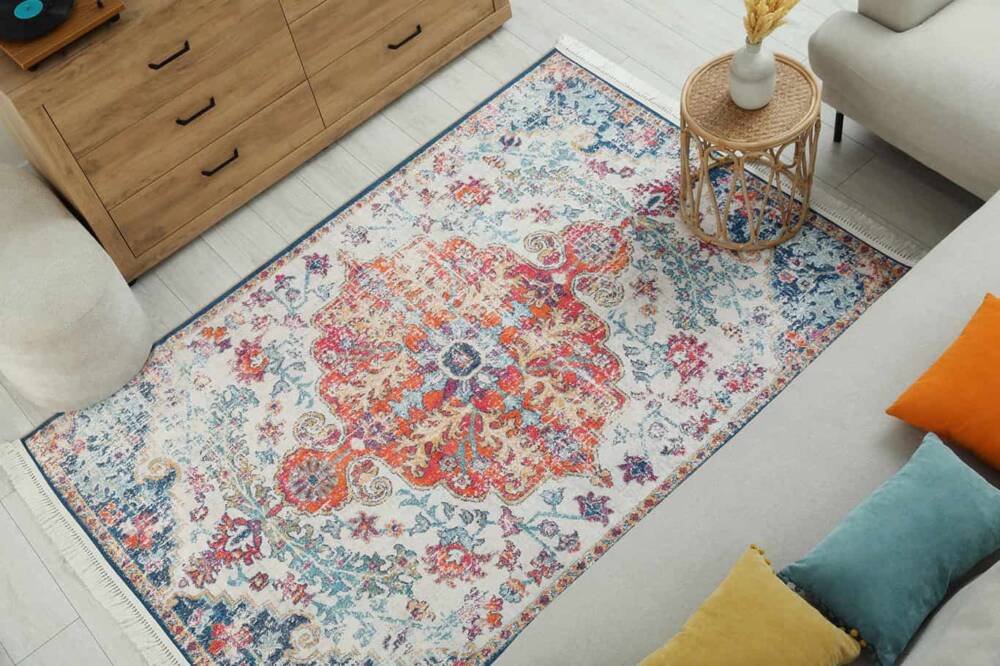
A vintage style rug is usually a modern rug designed to capture the look and character of an older rug. It may feature faded colours, distressed patterning, traditional motifs, worn-effect details or heritage-inspired designs.
This is different from a genuine vintage or antique rug. A genuine vintage rug has age, history and natural wear. A vintage style rug is usually newly made, but designed to create a similar decorative effect.
Vintage style rugs often include:
- Faded or muted colours
- Distressed finishes
- Traditional-inspired borders
- Medallion patterns
- Geometric details
- Low-pile or flatwoven textures
- A softer, lived-in appearance
For many homes, this makes vintage style rugs a practical choice. They offer character without the same level of delicacy, cost or maintenance that can come with older rugs.
Why Are Vintage Style Rugs Still Popular?
Vintage style rugs remain popular because they work across many different interiors. They can sit comfortably in traditional homes, modern flats, period properties, cottages and contemporary open-plan spaces.
A vintage-inspired rug can make a room feel less plain and more layered. It adds pattern and texture without needing to dominate the space. This is especially useful in rooms with neutral walls, simple furniture or hard flooring.
They are also versatile. A muted vintage rug can soften a modern sofa. A bold kilim-inspired design can add warmth to a simple room. A distressed medallion rug can help bridge the gap between older furniture and newer décor.
The appeal is not just about nostalgia. It is about balance. Vintage style rugs can make a room feel considered, comfortable and personal.
Which Vintage Rug Trends Are Worth Considering?
Not every trend will suit every home. The best vintage rug trends are the ones that are easy to live with and flexible enough to last beyond one season.
Faded Neutrals
Faded neutrals are one of the most useful vintage rug trends because they are easy to style. Colours such as stone, beige, taupe, soft grey, oatmeal and faded cream can add gentle texture without making the room feel busy.
These rugs work well in bedrooms, living rooms and calm sitting areas. They are also useful if you already have patterned cushions, curtains or wallpaper and do not want the rug to compete.
The main thing to consider is contrast. If your floor is very pale, a light neutral rug may disappear. In that case, choose a design with a subtle border, deeper undertone or textured pattern.
Warm Earth Tones
Warm earth tones are a strong choice for homes that need more depth. Rust, terracotta, ochre, muted red, olive, clay and soft brown can make a room feel warmer and more inviting.
These colours pair well with wooden furniture, leather sofas, neutral walls, brass finishes and natural textures. They can also help a modern room feel less stark.
A warm vintage style rug can work particularly well in living rooms and dining areas, where you may want the space to feel sociable and grounded.
Distressed Medallion Patterns
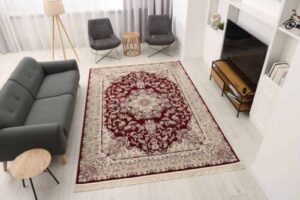
Distressed medallion rugs remain popular because they offer traditional detail without feeling too formal. The faded effect softens the pattern, making it easier to use in modern homes.
A medallion design can work well in a living room, especially when centred under a coffee table or used to anchor a seating area. It can also suit bedrooms where the pattern is partly softened by the bed and surrounding furniture.
The key is scale. A large medallion pattern may look striking in a spacious room, but it can overwhelm a smaller space. If the room is compact, choose a more subtle pattern or a smaller-scale design.
Muted Traditional Designs
Traditional-inspired rugs are not limited to period homes. Muted borders, faded florals and classic motifs can add depth to modern interiors when the colours are soft enough.
This trend works well when you want a rug that feels familiar and timeless rather than bold or highly contemporary. It can also help connect older and newer furniture within the same room.
For example, a muted traditional rug can sit comfortably with a modern sofa, a wooden coffee table and simple linen curtains. The result feels layered rather than overly matched.
Low-Pile Textures
Low-pile vintage style rugs are popular because they are practical. They sit more neatly under furniture, are easier to place in busier rooms and are often simpler to vacuum than deep-pile styles.
A low-pile rug is especially useful in dining rooms, home offices, hallways and living rooms where furniture moves or foot traffic is regular. It can still add pattern and warmth without creating too much bulk.
If you want a vintage look in a practical family space, low pile is often a sensible place to start.
Flatwoven and Kilim-Inspired Styles
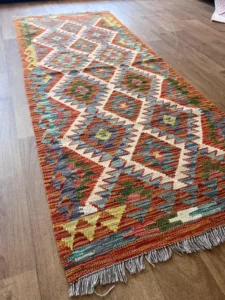
Flatwoven and kilim-inspired rugs are ideal if you like vintage character but prefer a lighter, less plush rug. These styles often feature geometric patterns, warm colours and woven texture.
They work well in relaxed interiors, layered schemes and rooms with natural materials. Because they are usually thinner than pile rugs, they can be easier to move and place, although they may benefit from suitable underlay on smooth floors.
For decorative woven designs with character, explore the kilim rugs collection.
Vintage Runners for Narrow Spaces
Vintage-inspired runners are a useful trend for hallways, landings and narrow spaces. They can add colour and detail to areas that are often overlooked.
A runner should be long enough to guide the eye through the space, but not so wide that it crowds the hallway. It should also sit securely, especially near entrances or busy walkways.
For long, narrow areas, hallway runners are often more suitable than trying to make a standard rug fit the space.
How Do You Choose the Right Vintage Rug for a Room?
Choosing a vintage style rug starts with the room, not the trend. A rug that looks beautiful on its own may not work if the size, colour or material is wrong for the space.
Think about:
- Room size
- Furniture layout
- Floor colour
- Wall colour
- Existing patterns
- Foot traffic
- Pile height
- Cleaning needs
- Whether the rug should be a focal point or a quiet backdrop
If the room already has bold wallpaper, patterned curtains or colourful furniture, a faded or neutral vintage rug may work best. If the room is plain, a stronger pattern or warmer colour can add personality.
Size matters too. A vintage style rug that is too small can make the room feel disconnected. In a living room, it should usually connect with the seating area rather than sit separately in the middle of the floor.
Which Vintage Rugs Work Best in Living Rooms?
Living rooms are one of the best places to use vintage style rugs because the rug can help anchor the furniture and set the tone for the space.
For a compact lounge, a medium rug may be enough to sit under the coffee table and front legs of the sofa. For a larger room, a bigger rug often looks more balanced because it connects the sofa, chairs and occasional furniture.
A vintage rug in a living room can work in several ways:
- A faded neutral rug can soften the space
- A warm earth-toned rug can add depth
- A distressed medallion rug can create a focal point
- A flatwoven rug can add relaxed texture
- A muted traditional rug can balance old and new furniture
If you want a rug to anchor a larger seating area, browse large rugs before choosing a design.
Are Vintage Style Rugs Good for Bedrooms?
Vintage style rugs can work very well in bedrooms, especially when the colours are soft and calming. A faded rug can add warmth around the bed without making the room feel busy.
In a bedroom, comfort matters. If you want a soft feel underfoot, consider a rug with some pile. If you prefer a lighter, flatter look, a low-pile or flatwoven design may suit the room better.
For smaller bedrooms, you do not always need a large rug under the entire bed. A smaller rug at the side of the bed or a runner-style layout can still add comfort and style.
Muted colours tend to work best in bedrooms because they help create a restful feel. Soft blues, faded reds, beige, taupe and warm neutrals are all easy to style.
Can Vintage Rugs Work in Hallways?
Yes, vintage rugs and runners can work beautifully in hallways, but practicality matters. Hallways are high-traffic spaces, so the rug needs to sit securely and be easy to live with.
A vintage-style runner can add warmth to a narrow entrance hall or corridor. It can also help protect flooring in busy walkways.
When choosing a hallway rug or runner, consider:
- Door clearance
- Runner width
- Slip resistance
- Edge curling
- Foot traffic
- Ease of cleaning
- Whether the colours hide everyday marks
Low-pile styles are usually more practical than thick rugs in hallways because they are less likely to catch under doors or become a trip hazard.
What Materials and Pile Types Should You Look For?
Material and pile height affect how a rug feels, wears and cleans.
Wool and wool blends can offer warmth, resilience and a more natural feel. They can work well in living rooms and bedrooms, although care requirements vary by rug.
Synthetic fibres are often used in modern vintage-style rugs because they can be practical and more affordable. Some are designed for easier maintenance, but always check the specific product details rather than assuming every synthetic rug is stain-resistant.
Flatwoven rugs offer a thinner, more textured look. They can work well in layered interiors and lower-profile spaces, but may need underlay to help prevent movement.
Low-pile rugs are often a good choice for busy homes because they are easier to place under furniture and simpler to vacuum than deep-pile rugs.
Before buying, think about where the rug will sit. A bedroom rug can prioritise softness. A hallway rug needs stability. A dining room rug needs to allow chairs to move easily.
What Vintage Rug Styles Should You Avoid?
A vintage style rug should feel characterful, not forced. Some styles can date quickly or become difficult to live with.
Be careful with rugs that are extremely distressed if the finish looks artificial rather than naturally softened. Heavy distressing can work in some rooms, but it may look tired if the surrounding décor is already busy or worn.
Avoid choosing a rug that is too small. This is one of the most common mistakes and can make the room feel less finished.
Also be cautious with thick rugs in places where doors need to open, chairs need to move or foot traffic is constant. A thick rug may look inviting, but it can become impractical in the wrong location.
It is also worth avoiding colours that fight the room. If your flooring, sofa and walls already have strong tones, choose a rug that connects with at least one of those colours rather than introducing something completely unrelated.
How Do You Style a Vintage Rug Without Making a Room Look Dated?
The easiest way to style a vintage rug well is to mix old and new. Pair a traditional-inspired rug with simple furniture, clean lines and natural textures. This helps the rug feel intentional rather than old-fashioned.
A good approach is to repeat one or two colours from the rug elsewhere in the room. This could be through cushions, artwork, throws, lampshades or ceramics. You do not need to match everything exactly. A subtle connection is enough.
Keep the surrounding décor balanced. If the rug has a strong pattern, let it be the main decorative feature. If the rug is faded and subtle, you can add more texture through cushions, curtains or furniture.
Vintage style works best when it feels relaxed, not overly themed. The rug should add warmth and interest while still fitting naturally into everyday life.
Can You Try a Vintage Rug Trend on a Budget?
Yes. If you like the vintage look but are not ready to invest heavily, start with a smaller rug, runner or sale option. This lets you try the style in a hallway, bedroom or reading corner before committing to a larger living room rug.
Budget-conscious buyers can browse sale rugs to see whether a vintage-inspired design suits their home without overspending.
When buying on a budget, still check the size, material and placement carefully. A lower-cost rug can still look excellent if it is the right scale and style for the room.
Frequently Asked Questions
Are vintage style rugs still in fashion?
Yes, vintage style rugs remain popular because they add warmth, texture and character to modern and traditional homes. The strongest trend is towards softer, more liveable designs rather than heavily distressed statement pieces.
What colours are popular for vintage rugs?
Faded neutrals, warm earth tones, muted reds, soft blues, olive, terracotta and beige are all popular choices. These colours tend to work well because they add interest without overwhelming the room.
What is the difference between vintage and vintage style?
A vintage rug is an older rug with genuine age and wear. A vintage style rug is usually newly made but designed to look aged, faded or heritage-inspired.
Are vintage style rugs practical for busy homes?
They can be, depending on the material, pile height and placement. Low-pile and flatwoven designs are often more practical for busy rooms than thick, delicate or high-maintenance rugs.
What size vintage rug should I choose?
Choose the size based on the room and furniture layout. In a living room, the rug should usually connect the seating area. In a bedroom, it should add comfort around the bed. In a hallway, a runner should leave a clear border of flooring.
Do vintage rugs work in modern interiors?
Yes. Vintage rugs can work very well in modern interiors because they add warmth and contrast. Pair them with simple furniture, neutral walls and natural textures for a balanced look.
Vintage rug trends are at their best when they feel timeless, practical and easy to live with. Faded neutrals, warm earth tones, muted traditional patterns, low-pile textures and kilim-inspired designs can all add character without making a room feel dated.
The right rug should suit your home, not just the trend. Think about the room size, furniture placement, material, pile height, foot traffic and the colours already in the space.
A vintage style rug can soften a modern room, add depth to a neutral scheme or bring a more layered feel to everyday interiors. Choose carefully, and it can become one of the most versatile pieces in your home.
For help choosing a rug that suits your style, room and practical needs, contact Rugs of Dorset.
Phone: 01305 605550
Email: info@rugsofdorset.co.uk
Find out more: contact Rugs of Dorset