
What Rug Colours Work Best in Living Rooms?

The best rug colours for living rooms depend on the atmosphere you want to create, the amount of natural light in the space and the colours already present in the furniture, flooring and walls.
Neutral shades such as beige, cream, taupe, grey and soft brown are among the easiest colours to use because they work with a wide range of interiors. Warmer colours such as rust, terracotta, red and gold can make a living room feel cosier, while blue, green and muted teal often create a calmer, more balanced appearance.
There is no single colour that suits every living room. A rug that looks bright and welcoming in a sunny room may appear dull in a darker north-facing space. Similarly, a pale cream rug may look elegant in a quiet sitting room but prove impractical in a busy family lounge.
The most successful choice usually connects with at least one existing element in the room without matching everything exactly. A rug might repeat the colour of a cushion, artwork or curtain fabric while introducing additional shades that bring the overall scheme together.
The aim is not simply to find a rug in a colour you like. It is to choose one that improves the balance, warmth and practicality of the room.
Should a living room rug be lighter or darker than the sofa?
A living room rug can be either lighter or darker than the sofa. The best choice depends on the level of contrast you want and how much visual weight the furniture already carries.
A lighter rug beneath a dark sofa can create definition and prevent the seating area from feeling too heavy. For example, a cream, beige or pale grey rug can soften a charcoal, navy or dark brown sofa.
A darker rug can ground a pale sofa and give the seating area more structure. Deep blue, rust, burgundy or patterned brown rugs can work particularly well beneath cream, ivory or light grey upholstery.
The rug should not disappear completely into the sofa colour. Some variation helps the furniture and floor covering remain visually distinct.
What if the sofa and rug are similar colours?
A tonal scheme can still work when the sofa and rug belong to the same colour family.
For example, a mid-grey sofa could be paired with a rug containing charcoal, silver and cream. A beige sofa might sit well with a rug combining taupe, sand and warm brown.
Texture and pattern become especially important in a tonal arrangement. A plain sofa can be balanced with a patterned rug, while a heavily textured sofa may suit a simpler design.
The key is to include enough difference in shade, weave or pattern to stop the room from appearing flat.
Which neutral rug colours are easiest to style?
Neutral rugs are popular because they provide flexibility. They can support changing furniture, seasonal accessories and different wall colours without requiring the whole room to be redesigned.
Useful neutral rug colours include:
- Cream
- Ivory
- Beige
- Taupe
- Greige
- Soft grey
- Charcoal
- Warm brown
- Stone
- Natural wool shades
Cream and ivory rugs can brighten a room and create a softer, more spacious appearance. They work especially well with natural wood, pale upholstery and calm decorative schemes.
Beige and taupe provide warmth without becoming too dominant. They suit traditional and modern rooms and often work well with brown, green, rust, blue and cream furnishings.
Grey rugs can create a cooler, more contemporary look. Soft grey is versatile, while charcoal adds stronger definition. Grey can sometimes appear flat in rooms with limited natural light, so it may benefit from warmer furniture or accessories.
Greige combines grey and beige, offering a balanced option for households that want a neutral shade without making the room feel too cool.
Are neutral rugs boring?
Neutral rugs do not need to be plain or uninteresting.
They may include:
- Geometric patterns
- Traditional motifs
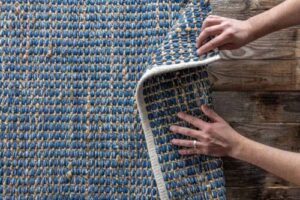
- Textured weaving
- Contrasting borders
- Mixed natural tones
- Subtle distressed effects
- Variations in pile height
A patterned neutral rug can add depth while remaining easy to coordinate. It can also help disguise minor marks more effectively than a completely plain pale rug.
Neutral colours are often most successful when the rug has visible texture or a design that gives the floor area some character.
What rug colours make a living room feel bigger?
Lighter rug colours generally help a living room feel more open because they reflect more light and create less visual weight.
Cream, pale beige, light grey, muted blue and soft natural tones can all make a compact room appear brighter and less enclosed.
However, colour is only one part of the effect. Rug size and positioning also influence how spacious the room feels.
A rug that is too small can divide the floor into separate areas and make the furniture arrangement feel cramped. A properly proportioned medium rug or large rug may make the room feel more unified, even when the colour is relatively dark.
Do dark rugs always make a room look smaller?
Not necessarily.
A dark rug can create depth and make a large room feel more grounded. In a bright living room with pale walls and plenty of natural light, navy, charcoal, burgundy or dark green can add contrast without making the space feel restricted.
Problems arise when the rug, flooring, sofa and walls are all dark and there is limited lighting. This can reduce visual separation and make the room feel heavier.
A dark rug works best when balanced with lighter elements elsewhere in the room.
Which rug colours make a living room feel warmer?
Warm colours can make a living room feel more comfortable and inviting.
Good options include:
- Rust
- Terracotta
- Burgundy
- Deep red
- Burnt orange
- Ochre
- Mustard
- Warm brown
- Soft gold
These shades work especially well in rooms with wooden furniture, cream walls, leather seating or traditional features.
A rug does not need to be entirely red or orange to create warmth. A patterned design containing small amounts of rust, gold and brown can have the same effect while remaining easier to coordinate.
Traditional rugs often combine warm shades with dark blue, cream or black. This creates depth and prevents the palette from becoming overly intense.
Can warm rugs work in modern living rooms?
Yes. Warm rug colours can soften modern interiors that contain grey sofas, white walls, glass furniture or metal details.
A rust or terracotta rug can add warmth to a grey room without making it feel traditional. Geometric patterns and simple woven textures can also help the colour suit a contemporary setting.
The rest of the room can repeat the warm tones through cushions, pottery, lampshades or artwork.
Which rug colours create a calm living room?
Blue, green and soft neutral shades are often associated with calm, balanced interiors.
Muted blue can create a relaxed atmosphere without feeling cold, particularly when paired with beige, cream or warm wood.
Sage, olive and moss green can bring a natural quality to the room. These shades work well with indoor plants, wooden furniture and earthy accessories.
Soft grey, stone and taupe can also create a calm background, although they often need texture or warm accents to prevent the room from feeling impersonal.
Which blue rugs work best?
The effect varies according to the shade.
Pale blue can make a room feel airy and gentle. Navy creates more depth and can work as a sophisticated alternative to black or charcoal.
Teal combines blue and green and can provide richer colour without becoming too bright. Muted teal is especially effective with tan leather, warm wood and cream upholstery.
A patterned blue rug is often easier to style than a solid block of strong colour because it can include several connecting shades.
What rug colours are best for busy family living rooms?
Mid-tone colours and patterned designs are usually the most practical choices for busy family spaces.
Very pale rugs can show muddy marks, food spills and general dirt. Very dark plain rugs may reveal dust, crumbs and pale pet hair.
Mid-tones such as taupe, rust, muted blue, brown, olive and mixed grey tend to disguise everyday signs of use more effectively.
Patterns can also help by breaking up the surface visually. Traditional motifs, distressed designs and multicoloured geometric patterns often remain presentable between cleaning sessions.
This does not remove the need for regular care, but it can make the rug easier to live with.
Which colours work best with children and pets?
The most practical colour often depends on the type of marks the rug is likely to experience.
For homes with pets, consider coat colour. A black rug may show cream pet hair clearly, while a very pale rug may reveal dark fur.
In homes with young children, mid-tone patterns are usually more forgiving than flat blocks of cream or white.
Suitable combinations might include:
- Rust, navy and cream
- Taupe, brown and beige
- Olive, gold and grey
- Blue, charcoal and ivory
- Red, brown and dark blue
The rug material and pile are just as important as colour. A practical shade will not compensate for a delicate surface that is difficult to clean.
How should you match a rug with wall colours?
A rug does not need to match the walls exactly. In fact, exact matching can make the room appear overly coordinated.
A better approach is to choose a rug that either complements or contrasts with the wall colour.
With white or cream walls, almost any rug colour can work. The choice depends on whether you want the rug to be a quiet background or the main feature.
Grey walls often suit:
- Rust
- Mustard
- Navy
- Teal
- Cream
- Burgundy
- Warm brown
Beige walls work well with blue, green, terracotta, dark brown and deeper neutral patterns.
Green walls can be paired with cream, rust, gold, muted red and natural wool tones.
Blue walls may suit beige, ivory, rust, brown or patterned rugs containing a small amount of blue.
Should the rug repeat the wall colour?
Repeating a small amount of the wall colour in the rug can help create unity.
For example, a rug with small blue details can connect with a blue feature wall without making the whole floor blue.
This subtle repetition usually looks more natural than choosing a rug in exactly the same shade as the walls.
How do you match a rug with flooring?
The flooring around the rug affects how its colour appears.
Rugs for light wood floors
Light wood flooring suits both pale and dark rugs. A darker rug creates clear contrast, while a cream or beige design produces a softer Scandinavian-inspired look.
Warm shades such as rust, olive, brown and deep red can bring out the natural warmth in the timber.
Rugs for dark wood floors
Pale rugs can create definition against dark wood and prevent the room from feeling too heavy.
Cream, beige, soft grey and muted blue can all work well. Patterned rugs containing both light and dark shades can connect the floor with the furniture.
Rugs for grey flooring
Grey laminate, tile or carpet can appear cool, so warm rug colours are often helpful.
Rust, terracotta, mustard, burgundy and warm beige can bring balance. Blue and grey rugs can also work, but the room may need warmer lighting or accessories.
Rugs for patterned floors
A patterned floor may require a simpler rug to avoid visual competition.
Choose a rug that picks up one of the floor colours and uses a relatively restrained design. In some rooms, a plain textured rug will work better than another strong pattern.
Should the rug match the curtains and cushions?
The rug does not need to match curtains and cushions exactly. It should relate to them through colour, tone or style.
A useful approach is to choose one or two rug colours and repeat them in smaller accessories.
For example, a rug containing rust, cream and navy might be paired with cream curtains, navy cushions and a small amount of rust in artwork or pottery.
This creates a coordinated scheme without making every item identical.
If the curtains are heavily patterned, a simpler rug may be preferable. If the curtains and sofa are plain, the rug can introduce more pattern and colour.
Can a colourful rug work in a neutral living room?
A colourful rug can be highly effective in a neutral room because it provides a focal point without requiring major changes to walls or furniture.
Rooms with beige, grey, cream or white furniture can support rugs containing:
- Red
- Blue
- Green
- Gold
- Orange
- Pink
- Multiple traditional shades
The most successful colourful rugs usually include at least one neutral tone that connects them to the rest of the room.
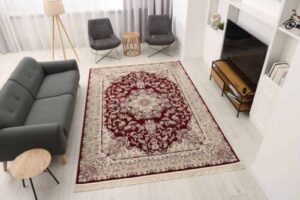
A traditional Afghan-style rug, for instance, may combine red, navy, brown and cream. The cream can relate to pale walls, while the darker colours add warmth and definition.
The rug can then guide the choice of cushions, throws and accessories.
What rug colours suit traditional living rooms?
Traditional interiors often suit deep, layered colours.
Popular choices include:
- Burgundy
- Deep red
- Navy
- Forest green
- Gold
- Brown
- Cream
- Rust
Traditional rugs may include medallions, borders, floral motifs and repeated geometric designs. These can complement fireplaces, timber furniture, leather sofas and period features.
A warm red rug can bring life to a room with dark wooden furniture, while a blue and cream design may create a lighter appearance.
The rug should still suit the scale of the room. A very large, detailed pattern may overwhelm a compact space, whereas a smaller repeating motif can create richness without dominating.
What rug colours suit modern living rooms?
Modern living rooms often work well with simpler colour palettes and clearer contrast.
Suitable rug colours include:
- Charcoal
- Soft grey
- Cream
- Black and white
- Navy
- Teal
- Rust
- Muted green
- Natural beige
Geometric patterns, abstract designs and textured plain rugs can all suit contemporary interiors.
A neutral modern room can also support a traditional rug as a contrasting feature. Combining clean-lined furniture with a detailed woven rug can prevent the room from feeling overly uniform.
How does natural light affect rug colour?
Natural light can change how a rug looks throughout the day.
In a bright south-facing room, colours may appear warmer and more intense. Strong sunlight can also cause some dyes to fade over time.
North-facing rooms often receive cooler, less direct light. Blue and grey rugs may appear colder in these spaces, while beige, rust, gold and warm red can create balance.
Artificial lighting matters too. Warm bulbs can make reds and browns appear richer, while cool white lighting may emphasise grey and blue tones.
Before making a decision, view rug samples or photographs in the room at different times where possible.
A colour that looks ideal under showroom lighting may appear different at home.
Should you choose the rug before the rest of the room?
When decorating from the beginning, choosing the rug early can make the process easier.
A patterned rug may contain several colours that can guide the selection of:
- Wall paint
- Sofa fabric
- Curtains
- Cushions
- Artwork
- Accessories
It is often easier to match paint and fabrics to a distinctive rug than to find a rug that fits an already rigid colour scheme.
When the room is already furnished, start by identifying the dominant colours and any accents you would like to repeat.
The rug can either blend with the existing palette or introduce controlled contrast.
How many colours should a living room rug contain?
There is no fixed limit, but the design should feel balanced within the room.
A plain rug may use only one main colour but rely on texture for interest. A traditional or geometric rug may contain several shades.
In a minimalist room, a multicoloured rug can provide character. In a room with patterned wallpaper, decorative curtains and colourful furniture, a simpler rug may be more comfortable visually.
The important question is whether the rug connects with the room or competes with it.
A rug containing three to five coordinated colours is often easy to style because it provides enough variety to connect different furnishings.
Frequently Asked Questions
What is the most popular rug colour for living rooms?
Beige, grey, cream, blue and warm neutral shades are among the most popular because they work with a wide range of furniture and wall colours. Patterned rugs combining several of these shades are also versatile.
Should a rug be darker than the floor?
It does not have to be, but contrast can help define the rug. A darker rug can stand out against pale flooring, while a light rug can brighten dark wood or charcoal flooring.
What rug colour goes with a grey sofa?
Grey sofas work with cream, beige, rust, mustard, navy, teal, burgundy and patterned rugs. Warmer colours can prevent the room from feeling too cool.
What rug colour goes with a brown sofa?
Brown sofas pair well with cream, beige, rust, deep blue, green and traditional multicoloured designs. The rug should provide enough contrast to remain visible against the furniture.
Are cream rugs practical in living rooms?
Cream rugs can look bright and elegant, but they may show marks more quickly in busy homes. A cream rug with texture or pattern can be more forgiving than a completely plain design.
Can you use a red rug in a small living room?
Yes. A muted or patterned red rug can add warmth without overwhelming the space. Balance it with lighter walls and furniture, and choose a rug size that fits the seating area properly.
Which rug colour should you choose for your living room?
The best living room rug colour is one that supports the atmosphere of the room while remaining practical for everyday use.
Choose pale neutrals when you want the space to feel light and open. Use deeper colours to add warmth, contrast and definition. Blues and greens can create calm, while rust, red, gold and brown can make the room feel cosier.
Consider the sofa, walls and flooring together rather than matching the rug to one item in isolation. Look for a design that repeats at least one existing colour while introducing enough variation to give the room depth.
For busy family living rooms, mid-tone patterned rugs are often the easiest to maintain visually. In quieter spaces, cream, ivory and other pale shades may be entirely suitable.
Most importantly, choose a colour you will enjoy seeing every day. Trends can provide inspiration, but the rug should suit your home, lifestyle and personal style.
To explore living room rugs in neutral, colourful, traditional and contemporary designs, contact Rugs of Dorset for friendly guidance.
Phone: 01305 605550
Email: info@rugsofdorset.co.uk
Find out more: /