

Are Handwoven Rugs Suitable for Busy Family Homes?
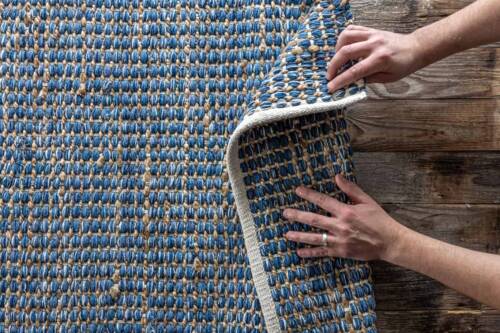
Handwoven rugs can be an excellent choice for busy family homes, provided that you choose the right material, construction and design for the room. A well-made handwoven rug can cope with regular foot traffic, children playing, visiting relatives and the general demands of everyday life while adding warmth and character to the space.
However, not every handwoven rug will be equally suitable for every household. A delicate, pale rug with a deep pile may require more care than a tightly woven wool rug with a patterned surface. The best choice depends on where the rug will be used, how much traffic the room receives and how comfortable you are with routine maintenance.
For many families, the natural variations and individual character of a handwoven rug are part of its appeal. Small signs of use may blend naturally into the design rather than making the rug appear worn. With sensible placement and appropriate care, a quality handwoven rug can become a long-lasting part of the home rather than an item that needs to be protected from daily life.
Are handwoven rugs durable enough for everyday family life?
Many handwoven rugs are created using traditional construction methods that produce a strong, practical textile. The durability of an individual rug depends on its fibres, weave, pile and overall quality, but handwoven does not automatically mean fragile.
In fact, many traditional rugs were originally made for regular household use rather than purely for decoration. They were designed to provide warmth, comfort and insulation while withstanding people walking over them day after day.
A tightly woven rug will generally cope better with busy areas than a loosely constructed rug. Dense weaving helps the fibres remain stable and reduces the likelihood of the surface becoming distorted through repeated use.
The condition of the edges is also important. Securely finished edges are less likely to fray when exposed to regular foot traffic, vacuuming or furniture movement. Before buying, check whether the edges appear firm, even and properly finished.
What can shorten the life of a handwoven rug?
Even a durable rug can suffer premature wear if it is placed or maintained incorrectly. Common causes of avoidable damage include:
- Allowing the rug to slide repeatedly across a hard floor
- Placing it where doors constantly catch the edges
- Using harsh cleaning products
- Leaving spills untreated
- Positioning heavy furniture on weak or damaged sections
- Vacuuming aggressively with an unsuitable rotating brush
- Leaving the same section exposed to concentrated foot traffic
A suitable rug underlay can reduce movement and friction between the rug and floor. Rotating the rug periodically can also distribute wear more evenly, particularly in living rooms where people tend to follow the same route between doors, seating and other areas.
Which handwoven rug materials are best for busy rooms?
Material has a major influence on how a rug feels, performs and responds to everyday use. For a busy family home, the best choice is usually a fibre that offers a balance of comfort, resilience and manageable maintenance.
Wool handwoven rugs
Wool is one of the most popular materials for quality handwoven rugs. It feels warm and comfortable underfoot while offering good natural resilience.
Wool fibres can recover from compression reasonably well, which helps the rug retain its appearance in rooms where people frequently walk or furniture rests on the surface. Patterned wool rugs can also be practical because their colours and details may make small marks or everyday signs of use less noticeable.
Wool rugs still need appropriate care. Spills should be blotted promptly, and unsuitable cleaning products should be avoided. Nevertheless, a well-constructed wool rug is often a strong choice for a family living room, bedroom or dining area.
Cotton handwoven rugs
Cotton rugs are often lighter and easier to move than wool alternatives. They can work well in bedrooms, play areas and lower-traffic spaces.
Some smaller cotton rugs may be easier to clean, depending on the manufacturer’s instructions. However, cotton may not offer the same long-term resilience as dense wool in an exceptionally busy hallway or central living space.
Cotton can also absorb liquids quickly, so spills should be dealt with before they penetrate deeply into the fibres.
Kilim and flat-woven rugs
Flat-woven rugs, including many kilim rugs, can be especially practical in a family home. Their relatively low-profile construction makes them easier to position beneath furniture and less likely to obstruct doors.
Because they do not have a deep pile, crumbs, dust and small particles are less likely to become embedded deep below the surface. This can make regular cleaning more straightforward.
The flat weave also suits rooms where people move chairs frequently, such as dining areas. However, these rugs can slide on smooth floors without appropriate underlay, so securing them properly is essential.
Synthetic fibres
Some handwoven rugs incorporate synthetic fibres or blended materials. These can provide useful resistance to staining, moisture or general wear, depending on the specific construction.
A blended rug may be a suitable option for households that want the appearance and texture of a woven rug with relatively straightforward upkeep. Always read the care guidance carefully, as performance varies considerably between materials.
Are handwoven rugs easy to clean and maintain?
Handwoven rugs are not necessarily difficult to maintain, but they do benefit from a consistent and gentle care routine. The most important principle is to respond to dirt and spills before they become deeply established.
Regular vacuuming helps remove dust, crumbs, pet hair and grit. Fine particles can work their way into the weave and contribute to abrasion if they are left in place. Vacuuming once or twice a week may be appropriate in busy rooms, although the frequency should reflect the household.
Use a suitable suction setting and take care around fringes and edges. A powerful rotating brush may pull at the fibres or fringe of some rugs, so it is worth checking the manufacturer’s guidance before using one.
How should spills be handled?
Busy family homes inevitably experience the occasional drink spill, muddy footprint or dropped plate. Fast action can make a significant difference.
Begin by blotting the affected area with a clean, absorbent cloth. Avoid rubbing, as this may spread the liquid and push it further into the fibres.
Use only a cleaning method that is suitable for the rug’s material and dyes. Applying a general household cleaner without checking compatibility could cause fading, discolouration or fibre damage. Test any approved cleaning solution on a discreet area first.
For significant staining, delicate fibres or valuable rugs, professional rug cleaning may be the safest option.
Should shoes be removed?
A strict shoes-off rule is not essential for every home, but reducing outdoor footwear on rugs can help limit soil, grit and moisture. This is particularly useful during wet weather.
A practical approach is to place an effective doormat near entrances and encourage muddy shoes to be removed before entering carpeted or rug-covered rooms. This reduces the amount of cleaning required without making the home feel overly formal.
Where should a handwoven rug be placed in a family home?
Choosing the right location can have as much impact on durability as choosing the rug itself. A rug that suits a quiet bedroom may not perform equally well beside a frequently used garden door.
Living rooms
A handwoven rug can work very well in a living room, where it can create a comfortable focal point and help define the seating area.
For a family living room, choose a rug large enough to sit securely beneath at least the front legs of the main furniture. An undersized rug may move more easily and can make the arrangement feel disconnected.
Medium or large rugs may be appropriate depending on the room and furniture layout. A patterned design can be forgiving in spaces used for relaxing, playing and entertaining.
Dining rooms
Low-pile and flat-woven rugs are generally easier to use beneath dining tables because chairs can move across them more smoothly.
The rug should extend far enough beyond the table for chairs to remain on the surface when pulled out. If the rug is too small, chair legs may catch the edges and cause curling or wear.
Dining areas are more exposed to food and drink spills, so a rug that is easy to maintain is preferable to one with a delicate or very deep pile.
Bedrooms
Bedrooms generally receive less foot traffic than hallways or living rooms, making them suitable for softer or more decorative handwoven rugs.
A rug can be positioned beneath the bed, beside it or near a dressing area. Small rugs can add warmth beside a child’s or adult’s bed without covering most of the floor.
Hallways and landings
Hallways are among the busiest parts of the home, so construction and positioning matter greatly. A handwoven runner can add colour and comfort, but it must be firmly secured.
Browse appropriately proportioned hallway runners and check that the rug will not obstruct doors or create a raised edge in a narrow route. A non-slip underlay is particularly important where children may run through the hallway.
Playrooms
A handwoven rug can make a playroom feel warmer and more inviting, but consider how the space is used.
A low-pile design provides a more stable surface for toy vehicles, building blocks and activity tables. It is also easier to remove small objects and crumbs from a flatter weave than from a very deep pile.
Choose a design that will not make every small mark immediately obvious. Mid-tone colours and detailed patterns are often more practical than plain cream or white surfaces.
Are patterned rugs more practical for families?
Patterned rugs are often well suited to family homes because they can disguise minor marks, crumbs, uneven fading and ordinary signs of use more effectively than plain designs.
This does not mean the rug can be left uncleaned, but a varied pattern can help it maintain an attractive appearance between vacuuming and cleaning sessions.
Traditional motifs, geometric designs and multicoloured woven patterns can all work well. The key is to choose colours that complement the room rather than selecting a busy design solely for practicality.
A rug should still contribute to the overall interior. In a room with patterned wallpaper or highly detailed upholstery, a slightly simpler woven rug may create better balance. In a neutral room, a distinctive handwoven design can provide much-needed colour and personality.
Are handwoven rugs suitable for homes with children?
Handwoven rugs can be suitable for children, but safety and practicality should guide the decision.
A properly secured rug can provide a warmer, softer surface for sitting and playing than bare wood, laminate or tile. Wool and flat-woven rugs may both be appropriate, depending on the child’s age and the activities taking place.
Avoid rugs that slide, bunch or curl at the corners. These issues can create a trip hazard, particularly for toddlers or children who move quickly through the room.
Very delicate fringes may not be ideal in active play spaces because they can be pulled, caught or damaged. A rug with securely finished edges may be easier to live with.
Consider whether small toys could disappear into a deep pile. In bedrooms and playrooms where building pieces or craft materials are regularly used, a flatter surface may be more practical.
What about pets?
Pets add another layer of consideration, but they do not automatically rule out handwoven rugs.
A tightly woven, low-pile rug is usually easier to vacuum and less likely to trap large amounts of pet hair. Long claws may catch on loose loops or delicate fibres, so avoid fragile constructions in rooms where pets regularly play.
Pet accidents should be addressed promptly, as moisture and odour can penetrate the fibres. The cleaning method must be compatible with the rug material.
A patterned rug in a mid-tone colour may help conceal pet hair and minor marks more effectively than a very dark or pale plain rug. The best colour will depend partly on the pet’s coat.
What should you check before buying a family-friendly handwoven rug?
Before choosing a rug, think about how the room actually functions rather than how it looks when perfectly tidy.
Ask yourself:
- How many people use the room each day?
- Do children play on the floor?
- Are food and drinks regularly carried through the space?
- Will pets have access to the rug?
- Is the rug close to an external door?
- Will chairs or furniture move across it?
- Can the rug be secured with a suitable underlay?
- Does its care guidance suit your household routine?
Examine the weave, edges and backing where possible. The rug should feel stable and well constructed, without obvious weak sections.
Check the dimensions carefully rather than relying on labels such as small, medium or large. Measure the intended floor area and use tape to mark out the rug’s proposed footprint. This helps you see whether it will sit comfortably beneath furniture and leave suitable clearance around doors and walkways.
A family-friendly rug does not need to be purely practical or visually plain. The aim is to find a design you enjoy that is also realistic for the room.
How can you make a handwoven rug last longer?
A few straightforward habits can help preserve the rug’s appearance and structure:
- Use an appropriate non-slip rug underlay.
- Vacuum gently and regularly.
- Deal with spills as soon as possible.
- Rotate the rug periodically to distribute wear.
- Avoid dragging heavy furniture across the surface.
- Protect it from prolonged dampness.
- Follow the correct cleaning guidance for its material.
- Arrange professional cleaning when deeper treatment is needed.
It is also worth checking the rug occasionally for loose edges, lifted corners or signs of unusual wear. Addressing a minor problem early may prevent it from developing into more significant damage.
Frequently Asked Questions
Do handwoven rugs wear out quickly?
A well-made handwoven rug should not wear out quickly when it is suitable for the room and cared for correctly. Dense wool and flat-woven rugs can provide many years of use, although durability varies according to construction, material and traffic.
Are wool rugs practical with young children?
Wool rugs can be practical because they are resilient, comfortable and naturally warm. Prompt spill treatment and regular vacuuming are still important. A patterned wool rug may be more forgiving than a very pale, plain design.
Can a handwoven rug be used beneath a dining table?
Yes. A low-pile or flat-woven rug is often the most practical option beneath a dining table. Choose a size that allows dining chairs to remain on the rug when pulled away from the table.
Do handwoven rugs need an underlay?
An underlay is strongly recommended on many hard floors. It can reduce slipping, limit movement, protect the flooring and reduce friction against the underside of the rug. Choose an underlay that is compatible with both the rug and floor surface.
Are expensive handwoven rugs always more durable?
Not necessarily. Price can reflect craftsmanship, material, age, rarity and design as well as durability. A valuable, finely woven rug may require more careful placement than a robust rug designed for regular household use.
What colour handwoven rug is easiest to maintain?
Mid-tone colours and detailed patterns tend to conceal everyday marks more effectively than very pale or extremely dark plain rugs. The best choice should also suit the room, furniture and amount of natural light.
Are handwoven rugs the right choice for your family?
Handwoven rugs can be entirely suitable for busy family homes. Their practicality depends on making an informed choice rather than avoiding handmade rugs altogether.
For active rooms, look for resilient materials, secure edges and a dense or flat weave. Choose a pattern and colour that will complement the interior while coping visually with ordinary family life. Make sure the rug is properly sized, secured with an appropriate underlay and positioned away from avoidable hazards.
With regular vacuuming, prompt spill treatment and occasional rotation, a quality handwoven rug can provide comfort, colour and character for years. It may even improve with age, developing a lived-in appearance that becomes part of the home’s story.
To explore rugs for living rooms, bedrooms, hallways and other areas of the home, contact Rugs of Dorset for friendly guidance.
Phone: 01305 605550
Email: info@rugsofdorset.co.uk
Find out more: /