
How Do You Choose Rugs for Children’s Bedrooms?
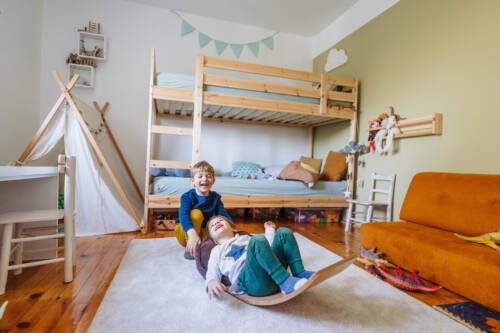
To choose the right rug for a child’s bedroom, focus on safety, comfort, practicality and size before considering colour or pattern. The rug should lie flat, remain securely in place and provide a comfortable surface for play without being difficult to clean.
Children’s bedrooms often have to serve several purposes at once. They may be used for sleeping, reading, dressing, playing, homework and storing toys. The rug therefore needs to work with the way the room is actually used rather than simply looking attractive.
A very soft, deep-pile rug may feel luxurious, but it can hide small toys, trap crumbs and make wheeled toys difficult to use. A very pale rug may brighten the room, but it could show every mark. A rug that is too small may move around, while one that is too large may block doors or make furniture harder to rearrange.
The best children’s bedroom rugs usually provide a balance. A soft low or medium pile, a durable material, a practical pattern and a suitable non-slip underlay can create a safe and comfortable floor area that remains useful as the child grows.
What should you consider before choosing a rug?
Begin by thinking about how the bedroom is used.
A nursery, a young child’s play-focused bedroom and a teenager’s room all have different requirements. The same rug may not suit every stage.
Ask:
- Does the child regularly play on the floor?
- Are food and drinks allowed in the room?
- Is the floor wood, laminate, vinyl or fitted carpet?
- Does the child have allergies or sensitivities?
- Are small toys used frequently?
- Will a desk chair need to move over the rug?
- Is the room shared?
- How often can the rug realistically be cleaned?
- Will furniture be rearranged as the child grows?
These questions help narrow the options before you become distracted by colours and designs.
A rug should support the room’s daily function. If it creates more cleaning, safety or furniture-placement problems than it solves, it is probably not the right choice.
What rug materials are best for children’s bedrooms?
The best material depends on the child’s age, the amount of use and the household’s maintenance preferences.
Wool, cotton and good-quality synthetic fibres can all work well, but each offers different benefits.
Wool rugs
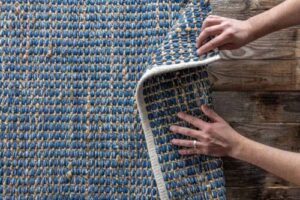
Wool is a strong all-round choice for children’s bedrooms because it feels warm and comfortable while offering useful natural resilience.
A dense wool rug can provide a cushioned surface for reading and play without needing an excessively deep pile. Wool fibres can also recover from compression reasonably well, helping the rug retain its shape beneath regular foot traffic.
Wool rugs are available in both traditional and contemporary patterns, making them suitable for bedrooms that need to grow with the child.
However, wool does require appropriate care. Spills should be blotted quickly, and unsuitable cleaning products should be avoided. Some new wool rugs also shed loose fibres initially, although this often reduces with regular gentle vacuuming.
A patterned wool rug can be a practical long-term option for a bedroom used every day.
Cotton rugs
Cotton rugs are often lightweight, soft and informal. They can suit nurseries, younger children’s rooms and low-traffic areas.
Some cotton rugs may be washable, but this should never be assumed. Always check the individual care instructions before putting a rug into a washing machine.
Cotton absorbs liquid quickly and may wear faster than dense wool in a heavily used bedroom. It can still be a useful option when a flexible, easy-to-move rug is preferred.
Small cotton rugs can work particularly well beside beds or within reading corners.
Synthetic rugs
Synthetic fibres such as polypropylene and polyester are commonly used in children’s bedroom rugs.
Polypropylene may offer useful stain resistance and straightforward maintenance, making it appealing in rooms where spills and messy play are common.
Polyester can feel especially soft and is often used in plush rugs. However, a deep polyester pile may flatten in areas of regular use and can trap small objects.
Synthetic rugs vary greatly in quality. Look beyond the material name and consider the density, backing, edge finishing and care guidance.
Flat-woven rugs
Flat-woven rugs have little or no raised pile. They may not feel as plush as a shaggy rug, but they can be very practical in children’s rooms.
Their flatter surface is useful for:
- Toy cars
- Building blocks
- Dolls’ furniture
- Craft activities
- Desk chairs
- Storage boxes on wheels
Small objects are less likely to disappear into the fibres, and the rug is generally easier to vacuum.
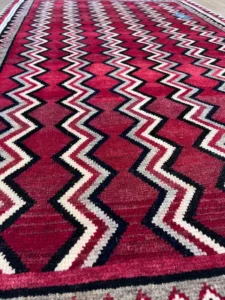
Some kilim rugs have a flat-woven construction and can introduce colour and geometric detail without creating a deep pile.
A suitable non-slip underlay is especially important because lightweight flat-woven rugs can move on smooth floors.
Which rug pile is best for a child’s room?
Low and medium-pile rugs are usually the most practical choices for children’s bedrooms.
They provide more softness than a completely flat rug while remaining easier to clean than a very deep pile.
Low-pile rugs
Low-pile rugs have short, closely cut fibres.
They are suitable for:
- Active play
- Rooms with lots of small toys
- Desk areas
- Bunk beds
- Compact bedrooms
- Children with mobility needs
They are generally easy to vacuum and less likely to obstruct furniture or doors.
A dense low-pile rug can still feel comfortable, particularly when used with a quality underlay.
Medium-pile rugs
Medium-pile rugs provide more cushioning and warmth.
They can work well in bedrooms where the rug is used for sitting, reading and relaxed play. They are usually manageable to clean, although crumbs and small toy pieces may become more embedded than in a low-pile surface.
For many families, medium pile provides the best compromise between comfort and practicality.
High-pile and shaggy rugs
High-pile rugs can feel very soft, but they are not always the easiest choice for children.
Potential drawbacks include:
- Small toys becoming hidden
- Crumbs settling deep in the fibres
- Toy vehicles being difficult to move
- More demanding vacuuming
- Increased matting
- Furniture leaving deep indentations
A shaggy rug may be suitable beside a bed or in a quiet reading corner, but it may be frustrating in the main play area.
How do you make a bedroom rug safe for children?
Safety should be considered before style.
A children’s bedroom rug should lie flat and remain stable under movement. Children rarely walk carefully around the edges of rugs, so slipping, bunching and curling must be addressed.
Use a non-slip underlay compatible with both the rug and floor.
The underlay should cover most of the underside while remaining hidden inside the edges. It can reduce slipping, add cushioning and limit friction against the floor.
Check doors and furniture
Before buying, measure the door clearance. A rug that is too thick or positioned too close to the doorway may catch every time the door opens.
Also check:
- Wardrobe doors
- Under-bed drawers
- Storage boxes
- Desk chairs
- Rocking chairs
- Toy chests
- Bedside furniture
The rug should not prevent furniture from operating properly.
Avoid curled corners
Curled edges create a trip hazard. New rugs may need time to settle after being rolled, but persistent curling should be addressed.
A full underlay or suitable corner grippers may help. Do not rely on unsuitable adhesive tape that could damage the floor or rug.
Inspect the rug regularly, especially after children have moved furniture or played energetically.
Keep the area near bunk beds clear
Do not place raised or unstable rug edges close to bunk-bed ladders. The child should have a secure route when climbing on or off the bed.
A low-profile rug is generally safer in a room with a bunk or high sleeper.
Which rug size works best in a child’s bedroom?
The correct size depends on the room layout and the rug’s purpose.
A rug may be used:
- Beside the bed
- At the foot of the bed
- Beneath part of the bed
- In the centre of a play area
- Beneath a reading chair
- Beneath a table and chairs
- To define a shared bedroom zone
A small rug may be enough beside a bed or in a compact reading corner.
A medium rug can define a larger play area or sit partly beneath a single or double bed.
A large rug may suit a spacious shared bedroom, but it should not extend so far that it blocks doors or makes cleaning difficult.
Rugs beside a single bed
A rectangular rug can be positioned along one side of a single bed.
It should be wide enough to provide a useful area for the child’s feet rather than acting as a narrow strip. Allowing one edge to sit slightly beneath the bed can help connect the rug visually.
Rugs beneath a bed
A rug beneath the lower part of the bed can create a more finished appearance.
Enough of the rug should extend beyond the sides and foot to remain visible and practical. There is little benefit in placing most of a decorative rug beneath furniture where it cannot be seen or used.
Rugs in shared bedrooms
In shared bedrooms, rugs can help define personal areas.
You might use:
- One rug beside each bed
- One larger rug between the beds
- A shared central play rug
- A rug beneath a reading or homework zone
Matching rugs can create symmetry, while different but coordinated designs can help each child feel they have an individual space.
What colours are best for children’s bedroom rugs?
The best colours are those that suit the room while remaining practical.
Bright colours can make a child’s bedroom feel lively, but the rug does not need to contain every colour in the room. A more balanced design may continue to work as the child’s tastes change.
Useful colours include:
- Blue
- Green
- Rust
- Mustard
- Red
- Pink
- Teal
- Warm grey
- Beige
- Multicoloured patterns
Mid-tone shades generally conceal marks more effectively than very pale or extremely dark plain colours.
Are pale rugs practical?
Cream, white and pale pastel rugs can make a small bedroom feel brighter, but they tend to show dirt, craft materials and spills more quickly.
A pale rug may still be suitable in a nursery or quieter older child’s room. A textured or patterned cream rug is often more forgiving than a completely plain surface.
Are dark rugs easier to maintain?
Dark rugs hide some stains but can reveal dust, lint and pale hair.
Navy, charcoal and deep green can work well, particularly when combined with lighter pattern details.
The most practical option is often a mid-tone patterned rug rather than a solid very light or very dark colour.
Should you choose a themed rug?
Themed rugs can be appealing to younger children, but their usefulness may be short-lived.
Designs featuring roads, cartoon-style images, animals or particular hobbies can make the room feel personal. However, children’s interests can change quickly.
A more adaptable rug might use:
- Geometric patterns
- Stars
- Stripes
- Abstract designs
- Traditional motifs
- Simple animal shapes
- Nature-inspired colours
These designs can remain suitable as the child grows and the rest of the room changes.
A child’s personality can still be reflected through bedding, posters, cushions and accessories, which are generally easier to replace than a quality rug.
How do you choose a rug that will grow with the child?
Choose a rug with a design and colour palette that is not tied too closely to one age group.
A traditional, geometric or lightly patterned rug can work in a nursery, school-age bedroom and teenage room when paired with different furniture and accessories.
Neutral base colours with several accents are especially flexible. For example, a rug containing cream, blue, rust and green could support several different room schemes over time.
Durability also matters. A well-made rug may continue to serve the room long after novelty accessories have been replaced.
Avoid buying purely according to the child’s current favourite character or trend unless you are comfortable changing the rug relatively soon.
Are patterned rugs better for children’s rooms?
Patterned rugs are often practical because they disguise minor marks, crumbs and uneven wear more effectively than plain designs.
Patterns also add visual interest to a room without covering walls in permanent decorative features.
Suitable options include:
- Geometric designs
- Repeated medallions
- Stripes
- Small-scale traditional patterns
- Abstract shapes
- Mixed-colour flat weaves
The scale should suit the room. A very large, bold pattern may overwhelm a compact bedroom, while a smaller repeated motif can add colour without dominating.
If the wallpaper, curtains and bedding are already heavily patterned, choose a simpler rug to create balance.
What rug is best for a play area?
A low or medium-pile rug with a secure underlay is usually the most practical option.
It should be large enough for the child to sit and arrange toys without constantly moving off the edge.
A play rug should provide:
- A stable surface
- Enough cushioning for sitting
- Easy visibility of small toys
- Manageable cleaning
- Secure edges
- Space for storage boxes to move nearby
Flat-woven rugs are particularly useful for toy vehicles and building activities. A denser medium pile may be preferred for reading, puzzles and relaxed floor play.
Consider separating messy crafts from the rug where possible. Paint, glue and felt-tip pens can be difficult to remove from some fibres.
Are rugs suitable for children with allergies?
A rug can provide comfort, but it also needs regular cleaning.
Dust, pollen, crumbs and pet hair can collect in the fibres. Low-pile and flat-woven rugs are generally easier to vacuum thoroughly than deep-pile alternatives.
Follow the rug’s care instructions and maintain good ventilation. Vacuum the floor beneath the rug periodically as well as the surface.
Material sensitivities vary, so a parent or carer should consider the child’s individual needs. Where allergies or respiratory concerns are significant, professional medical advice should guide decisions about bedroom furnishings.
Do not assume that a material is automatically suitable simply because it is described as natural or hypoallergenic.
How often should a children’s bedroom rug be cleaned?
The rug should be vacuumed regularly according to its material and pile.
A bedroom used heavily for play may need vacuuming more often than a room used mainly for sleeping.
Clean beneath the rug periodically to remove grit and dust that can affect both the flooring and underlay.
Spills should be treated promptly. Blot liquid with a clean absorbent cloth rather than rubbing it into the fibres.
Use only cleaning products suitable for the material and dyes. Test approved products on an inconspicuous section first.
Professional cleaning may be appropriate for:
- Significant staining
- Wool rugs
- Handmade rugs
- Unstable colours
- Delicate fibres
- Rugs with persistent odours
Never saturate a rug without confirming that the cleaning method is suitable.
What rug works best beneath a desk?
A low-pile rug is generally best beneath a desk because it allows a chair to move more easily.
The rug should be large enough to accommodate the desk and normal chair movement. If the chair repeatedly rolls on and off the edge, the rug may curl or shift.
A flat-woven rug can define a homework area while remaining practical.
In a small room, it may be better to place the rug in a separate reading or play area and leave the desk directly on the floor.
How can you involve a child in choosing the rug?
Allowing a child to take part can help them feel more connected to their bedroom.
Rather than offering unlimited choice, select several suitable options that already meet the practical requirements.
The child can then choose between:
- Two or three colour schemes
- Several age-appropriate patterns
- A round or rectangular shape
- A softer or flatter texture
This allows them to express a preference without compromising safety or maintenance.
Older children may appreciate understanding why size, pile and material matter. This can help them make a choice they are more likely to value for longer.
Frequently Asked Questions
What is the best rug material for a child’s bedroom?
Wool, cotton and good-quality synthetic fibres can all work. Wool offers comfort and resilience, cotton is lightweight and informal, and synthetic fibres may provide practical stain resistance. The best choice depends on the child’s age and room use.
Are shaggy rugs suitable for children?
They can be suitable in quiet areas, but they may trap crumbs and small toys. Low or medium-pile rugs are generally easier to use in bedrooms where children play regularly.
Should a rug go beneath a child’s bed?
It can sit partly beneath the bed, beside it or at the foot. The best position depends on the room size and where softness is most useful.
What colour rug hides dirt best?
Mid-tone patterned rugs tend to conceal everyday marks better than plain white, cream or black rugs. Mixed blue, grey, brown, rust and beige designs can be practical.
Do children’s bedroom rugs need underlay?
A suitable non-slip underlay is strongly recommended, especially on hard floors. It can reduce slipping, bunching and friction while adding cushioning.
Can you use a handmade rug in a child’s bedroom?
Yes, provided it is durable, securely positioned and appropriate for the room. A robust wool or flat-woven handmade rug may offer more lasting appeal than a highly age-specific design.
Which rug should you choose for your child’s bedroom?
The best rug for a child’s bedroom should feel comfortable, lie securely and suit the way the space is used.
Choose a low or medium pile for a practical balance between softness and easy cleaning. Consider wool for resilience and warmth, cotton for a light and flexible option, or a suitable synthetic fibre where stain resistance is a priority.
Measure the room carefully and decide whether the rug will sit beside the bed, beneath part of it or within a defined play area. Avoid blocking doors, storage or furniture movement.
Select colours and patterns that can cope with ordinary family life. Mid-tone patterned designs are often more forgiving than plain pale rugs and may continue to suit the room as the child grows.
Most importantly, secure the rug with a compatible underlay and check it regularly for movement, curling or damage.
A thoughtfully chosen rug can make a child’s bedroom warmer, more comfortable and more inviting while providing a practical surface for play, reading and everyday routines.
To explore small, medium and larger rugs suitable for children’s bedrooms and family homes, contact Rugs of Dorset for friendly guidance.
Phone: 01305 605550
Email: info@rugsofdorset.co.uk
Find out more: /