
Are Traditional Rugs Still Popular In Modern Interiors?
Traditional rugs are still popular in modern interiors because they offer warmth, pattern, character and a sense of permanence that many contemporary rooms need. While interior trends change regularly, classic rug designs continue to work because they bring depth and visual interest to spaces that might otherwise feel plain or unfinished.
A traditional rug does not have to make a room look old-fashioned. In fact, some of the most stylish modern interiors use traditional rugs as a contrast to clean-lined furniture, neutral walls and simple flooring. The mix of old and new can make a room feel more personal, layered and comfortable.
For UK homes, traditional rugs are especially versatile. They can suit period properties, cottages, townhouses, flats, new-build homes and open-plan living spaces. The key is choosing the right colour, size and placement so the rug supports the room rather than overwhelming it.
Why Are Traditional Rugs Still So Popular?
Traditional rugs remain popular because they do something many modern interiors need: they add character. Minimal furniture, plain walls and hard flooring can look elegant, but they can also feel cold if there is nothing to soften the space. A traditional rug introduces pattern, texture and warmth in one piece.
These rugs often feature motifs, borders, medallions, floral details or repeated patterns that have been used for generations. Their familiarity gives them a timeless quality. They do not rely on a short-lived trend to feel appealing.
Another reason for their popularity is flexibility. A traditional rug can sit in a formal sitting room, a relaxed lounge, a bedroom, a hallway or a dining area. Depending on colour and condition, it can look classic, rustic, vintage, bohemian or quietly elegant.
Traditional rugs also work well for people who want a home to feel lived-in rather than overly styled. A room with only new furniture can sometimes feel flat. A traditional rug can make the space feel as though it has developed naturally over time.
How Do Traditional Rugs Work In Modern Interiors?
Traditional rugs work in modern interiors because contrast creates interest. A contemporary sofa, simple coffee table or sleek dining set can look more inviting when paired with a rug that has pattern and history. The rug softens the modern lines and stops the room feeling too clinical.
This is particularly effective in lounges and open-plan spaces. A traditional rug can anchor the seating area, helping furniture feel connected rather than scattered. It creates a focal point without needing bold wall colours or lots of accessories.
In bedrooms, a traditional rug can add warmth and softness, especially where the rest of the room is calm and simple. In hallways, traditional runner-style designs can bring pattern into a narrow space and make the entrance feel more welcoming.
The trick is balance. If the rug is highly detailed, keep some other elements calmer. Plain curtains, simple cushions or clean-lined furniture can let the rug stand out without making the room feel busy.
What Makes A Traditional Rug Feel Modern?
A traditional rug can feel modern when the colour palette, styling and room layout are considered carefully. Many modern interiors use traditional rugs in faded, muted or softened colours. This gives the design character without making it feel heavy.
Rugs with washed reds, gentle blues, warm neutrals, faded terracotta, soft greens, taupe or ivory can work beautifully in contemporary homes. These colours feel easier to live with than very strong, high-contrast designs, especially in smaller rooms.
Scale also matters. A large traditional rug that sits properly beneath furniture can feel stylish and intentional. A small rug floating in the middle of the room may feel dated because it does not connect with the layout.
The surrounding furniture makes a difference too. A traditional rug paired with a modern sofa, slim table or neutral walls can feel fresh. The same rug paired with too many heavy antique pieces may create a more old-fashioned look, unless that is the intended style.
Are Traditional Rugs Only For Period Homes?
No, traditional rugs are not only for period homes. They certainly suit Victorian terraces, Georgian townhouses, cottages and older properties, but they can also be very effective in newer homes.
New-build interiors often have plain walls, simple flooring and clean layouts. While this can be practical, it can sometimes lack warmth. A traditional rug can add instant character without requiring permanent changes. This is useful for homeowners, tenants and landlords who want a room to feel more complete.
In modern flats, traditional rugs can help define zones. A rug can separate a lounge area from a dining space or create a softer bedroom feel. In open-plan homes, this is particularly useful because rugs can create structure without dividing the room physically.
Traditional rugs also suit commercial or hospitality-inspired interiors where comfort and atmosphere matter. A classic rug in a seating area can make a space feel more welcoming and less stark.
Which Traditional Rug Colours Suit Modern Homes?
The most popular traditional rug colours for modern interiors are often softened, muted or slightly faded. These tones feel easier to combine with contemporary furniture and neutral décor.
Good choices include warm cream, muted red, rust, faded navy, dusty blue, sage green, olive, soft gold, taupe and stone. These colours bring character while still feeling calm. They can work with wood flooring, cream walls, grey sofas, leather chairs and painted furniture.
A rug with several colours can also help tie a room together. For example, a traditional rug with blue, rust and cream might connect with navy cushions, warm wood and pale walls. This makes the space feel coordinated without looking too matched.
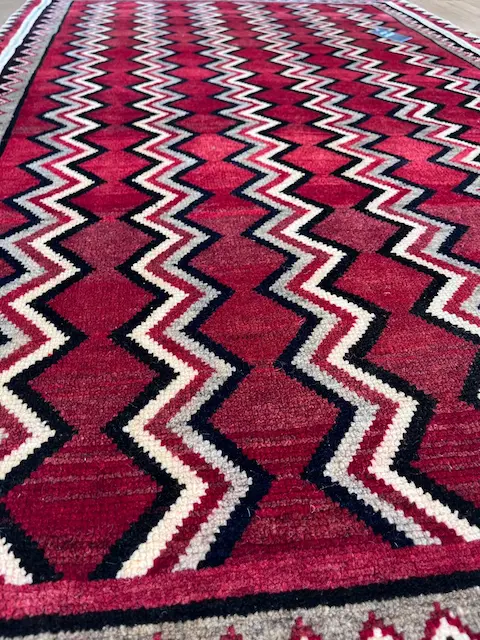
Very bold traditional rugs can still work, but they need enough space and simplicity around them. If the rug has strong reds, dark blues or heavy borders, keep the rest of the room more restrained so the overall effect feels balanced.
Can Traditional Rugs Work With Neutral Interiors?
Traditional rugs work extremely well with neutral interiors. In fact, they can be one of the easiest ways to stop a neutral room feeling too plain. A beige, cream or grey scheme can benefit from the colour, pattern and texture of a traditional rug.
The rug does not need to be bright. Even a faded traditional pattern in soft tones can add depth. It gives the eye something to rest on and helps the room feel more layered.
In a neutral lounge, a traditional rug can sit beneath the coffee table and connect the seating area. In a bedroom, it can add softness at the foot of the bed. In a hallway, it can create a welcoming first impression without needing strong wall colours.
If you are choosing for a calm interior, avoid rugs with too much contrast unless you want the rug to be the main feature. Softer traditional designs often blend more easily while still adding interest.
Are Traditional Rugs Practical For Busy Homes?
Traditional rugs can be very practical for busy homes, depending on the material and construction. One of their biggest advantages is pattern. Detailed designs can help disguise everyday marks, minor dirt and signs of use better than plain rugs.
This makes them useful in living rooms, dining rooms, hallways and homes with children or pets. A patterned traditional rug is often more forgiving than a pale, plain rug in a busy area.
Material is important. Wool is a strong option because it is naturally resilient and comfortable. Low to medium pile rugs can be easier to vacuum and manage than very deep pile styles. Flatwoven traditional or kilim-inspired designs can also work well in areas where a lower profile is needed.
For narrow spaces and connecting areas, Rugs of Dorset’s runner rugs can help bring traditional character into hallways and entrances while protecting flooring.
How Do You Style A Traditional Rug Without Making The Room Feel Dated?
To style a traditional rug in a modern way, keep the overall room balanced. The rug can provide the detail, while other elements remain simpler. This prevents the space feeling heavy.
A good approach is to combine the rug with clean-lined furniture, natural materials and a limited colour palette. For example, a traditional rug can look beautiful with a plain linen sofa, wooden coffee table, simple lamp and a few cushions that pick up colours from the rug.
Avoid over-matching. A room can feel dated if every cushion, curtain and accessory repeats the same colours too exactly. Instead, let the rug guide the palette loosely. Choose one or two colours from the rug and echo them gently elsewhere.
Lighting also matters. Traditional rugs often look richer in warm, layered lighting. Floor lamps, table lamps and soft bulbs can help the pattern feel inviting rather than formal.
Can Traditional Rugs Suit Minimalist Rooms?
Yes, traditional rugs can suit minimalist rooms very well. A minimalist space can sometimes feel too empty if every surface is plain. A traditional rug adds detail while still allowing the room to remain uncluttered.
The key is choosing one strong feature. If the rug is the main patterned element, the rest of the room can stay simple. This creates a calm but interesting space.
A faded or muted traditional rug is often best for minimalist interiors. It introduces warmth without overpowering the room. The contrast between the detailed rug and simple furniture can feel very sophisticated.
This approach is especially useful if you want a minimalist room to feel more comfortable. The rug brings softness, absorbs sound and creates a more welcoming atmosphere while keeping the overall design clean.
What Sizes Work Best For Traditional Rugs?
Size has a major effect on whether a traditional rug feels modern or dated. In lounges, the rug should usually be large enough to connect with the seating area. If it sits too far away from the sofa and chairs, it may look isolated.
For living rooms, a medium or large traditional rug is often best. It should sit beneath the coffee table and ideally allow the front legs of the sofa or chairs to rest on it. This helps the furniture feel anchored.
In bedrooms, a large rug can sit partly beneath the bed, or smaller traditional rugs can be placed at either side. In hallways, a runner-style rug is usually more suitable than a standard rectangle.
Rugs of Dorset offers small rugs, medium rugs and large rugs to suit different room proportions. Comparing sizes before choosing can help avoid the common mistake of selecting a rug that is too small.
Are Traditional Rugs A Timeless Choice?
Traditional rugs are one of the most timeless choices because their appeal is not tied to a single trend. Patterns, borders and heritage-inspired motifs have remained popular across many types of interiors.
That does not mean every traditional rug will suit every home. Colours, condition, size and placement still matter. However, a well-chosen traditional rug can adapt as your décor changes. It can work with new cushions, different wall colours, updated furniture or seasonal styling.
This flexibility makes traditional rugs a good option for people who do not want to replace their interiors every few years. They can feel current when styled with modern pieces and classic when used in more traditional rooms.
A traditional rug is often less about following fashion and more about adding a lasting layer of comfort and character.
Frequently Asked Questions
Are traditional rugs old-fashioned?
Traditional rugs are not old-fashioned when styled thoughtfully. They can look fresh and modern when paired with simple furniture, neutral walls, natural materials and a balanced colour scheme.
Can traditional rugs work in small rooms?
Yes, traditional rugs can work in small rooms. Softer colours, faded patterns and correctly sized rugs are often best. A rug that is too small or too dark may make the room feel more cramped.
What furniture goes well with traditional rugs?
Traditional rugs pair well with both classic and modern furniture. Clean-lined sofas, wooden tables, leather chairs, painted cabinets and neutral upholstery can all work beautifully with a traditional patterned rug.
Summary
Traditional rugs are still popular in modern interiors because they bring warmth, depth and character into the home. They can soften contemporary furniture, add interest to neutral rooms and make new-build spaces feel more personal.
The key is choosing the right design for your room. Muted colours, balanced patterns and suitable sizing can make traditional rugs feel fresh rather than dated. Whether used in a lounge, bedroom, hallway or dining area, a traditional rug can create a more comfortable and considered interior.
For the best result, style the rug as part of the whole room. Let it connect with the furniture, flooring and accessories without overwhelming the space. A well-chosen traditional rug can feel timeless, practical and beautifully at home in modern living.
Explore Rugs of Dorset to compare traditional-inspired designs, runners, kilim styles and rugs in different sizes for modern and classic interiors.
Phone: 01305 605550
Email: info@rugsofdorset.co.uk
Find out more: /