Can You Dye a Rug? What to Know Before You Try
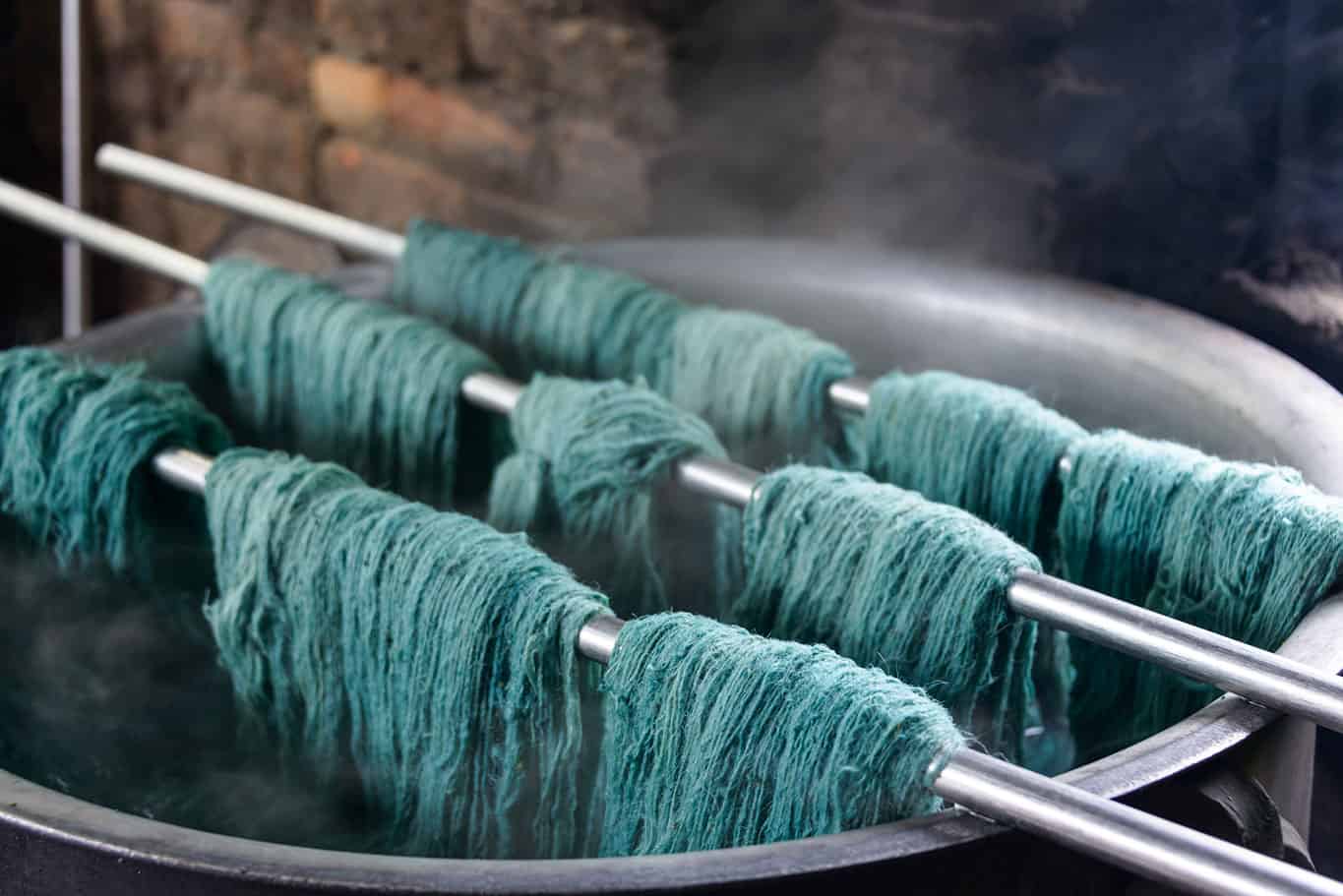
Can you dye a rug? In some cases, yes, but the real answer depends on the rug’s material, colour, pattern, condition and finish. Natural fibre rugs such as wool and cotton are usually more receptive to dye, while many synthetic rugs are difficult or impossible to dye successfully at home.
Dyeing can seem like a practical way to refresh a faded rug or make an old piece work with a new colour scheme. However, it is not always the safest or most reliable option. Some rugs may absorb colour unevenly, lose definition in their pattern, shrink, bleed dye or become damaged during the process.
Before you reach for fabric dye, it is worth understanding what type of rug you have, what result you are hoping for and whether dyeing, restoration or replacement is the most sensible route.
Can All Rugs Be Dyed?
Not all rugs can be dyed successfully. The fibres need to be able to absorb colour, and the rug must be in a condition that can withstand washing, wetting, brushing and drying.
A rug’s suitability is usually affected by:
- Material
- Existing colour
- Pattern complexity
- Protective treatments
- Age and condition
- Pile depth
- Construction method
A plain, light-coloured wool rug will usually offer a much better chance of success than a patterned polypropylene rug with a stain-resistant coating. Even then, results are not guaranteed. Dye behaves differently depending on how the rug was made and treated before it reached your home.
This is why dyeing should be approached as a careful decision rather than a quick fix.
Which Rug Materials Take Dye Best?
Material is the most important factor when deciding whether a rug can be dyed. Some fibres naturally absorb dye well, while others resist it.
Wool Rugs
Wool is one of the best rug materials for dyeing because it is a natural fibre with strong absorbency. It can take colour well and often holds dye more effectively than synthetic alternatives.
However, wool still needs care. Too much heat, harsh chemicals or aggressive scrubbing can damage the fibres. A wool rug that is old, fragile, handwoven or valuable should be assessed by a professional before any dyeing is attempted.
Cotton Rugs
Cotton rugs can also absorb dye well, particularly if they are light in colour and do not have a heavy protective finish. Cotton is often easier to dye than many synthetic fibres, although it may still shrink or change texture if handled incorrectly.
Flatweave cotton rugs may be more manageable than thick pile rugs because the dye can reach the fibres more evenly.
Nylon Rugs
Nylon is a synthetic fibre, but unlike polyester or polypropylene, it can sometimes be dyed with specialist dyes. Results can vary, and standard fabric dye may not be suitable.
If you have a nylon rug, it is especially important to check the dye manufacturer’s guidance and test a hidden area first.
Natural Fibre Blends
Some rugs are made from blended fibres, such as wool mixed with cotton or synthetic yarns. These can be unpredictable because each fibre may absorb dye differently. The result could be patchy, uneven or less vibrant than expected.
Which Rugs Should Not Be Dyed?
Some rugs are poor candidates for dyeing and may be better restored, repositioned or replaced.
Rugs that are usually unsuitable include:
- Polypropylene rugs
- Polyester rugs
- Rugs with stain-resistant treatments
- Rugs with water-resistant finishes
- Very delicate antique rugs
- Rugs with loose fibres or structural damage
- Rugs with glued backing that may weaken when wet
Polypropylene and polyester are common in modern rugs because they are practical, affordable and resistant to stains. That same resistance means they often do not absorb dye properly. Attempting to dye these materials can lead to weak colour, streaking or no visible change at all.
If the rug already has worn patches, fraying edges, colour bleeding or a weakened backing, dyeing may make the issue worse. The process can involve moisture, friction and drying time, all of which can put extra stress on an already tired rug.
Can You Dye a Patterned Rug?
You can sometimes dye a patterned rug, but the outcome is harder to control than with a plain rug. Dye does not work like paint. It usually changes the existing colours rather than covering them completely.
This means the original pattern may still show through, but in a changed or muted form. Pale areas may take dye more strongly, while darker areas may barely change. If the rug has several colours, each shade may react differently.
For example, dyeing a patterned rug in a warm terracotta shade may affect cream, beige and pale brown areas differently. The result could be attractive, but it may also look uneven or muddy.
Patterned rugs are often chosen for their detail and character. If you have a decorative piece, especially a flatwoven or traditional style, it may be better to work with its existing colours rather than risk losing the definition. If you are drawn to decorative woven designs, you may prefer to browse kilim rugs instead of trying to recolour an existing patterned rug.
Can You Dye a Dark Rug a Lighter Colour?
In most cases, you cannot dye a dark rug a lighter colour. Dye adds colour, but it does not remove the existing shade. To make a rug lighter, the original colour would usually need to be stripped or bleached first, which can be risky and damaging.
Bleaching can weaken fibres, create uneven patches and alter the texture of the rug. It can also affect different fibres in different ways, especially if the rug is made from a blend.
Dyeing works best when moving from light to darker. For example, a pale cream or faded beige rug may be easier to dye into a deeper brown, green, navy or rust tone. Trying to turn a dark red rug into a pale neutral rug is unlikely to produce a clean result.
If your rug feels too dark for the room, it may be a placement or sizing issue rather than a dyeing issue. A smaller rug, a lighter surrounding colour scheme or a better-proportioned piece may solve the problem more effectively. Depending on the room, it may be worth comparing small rugs, medium rugs or large rugs before attempting to alter the rug you already own.
Is DIY Rug Dyeing Worth the Risk?
DIY rug dyeing can be worthwhile for some low-value rugs, especially if the rug is plain, light-coloured and made from a dye-friendly fibre. It can be a creative project if you are comfortable with an unpredictable result.
However, it is not risk-free. Common problems include:
- Patchy colour
- Dye bleeding
- Uneven absorption
- Stiffened fibres
- Shrinking
- Damage to backing
- Colour transfer onto floors or furniture
Large rugs are especially difficult to dye at home because they need space, even coverage and thorough rinsing. If the dye is not rinsed properly, it may transfer onto socks, flooring or nearby furnishings.
DIY dyeing is usually only sensible if you would be comfortable replacing the rug if the result does not work. If the rug has financial, sentimental or decorative value, a professional opinion is safer.
When Should You Use a Professional Rug Dyeing Service?
Professional rug dyeing or restoration may be the better choice if the rug is valuable, handmade, antique, delicate or heavily patterned. Specialists can assess the fibre, dyes, construction and condition before recommending a suitable approach.
Professional help is worth considering when:
- The rug is wool, silk or handwoven
- The rug has sentimental value
- The pattern is detailed
- The rug has uneven fading
- You want colour correction rather than a complete colour change
- The rug needs cleaning or repair first
A professional may also tell you that dyeing is not suitable. That can be useful in itself, as it helps you avoid damaging a rug that could be preserved in another way.
When Should You Not Dye a Rug?
There are several situations where dyeing is unlikely to be the best option.
The Rug Is Made from Resistant Synthetic Fibres
If your rug is polypropylene or polyester, dyeing is usually not worth the effort. These materials are designed to resist staining, which means they also resist dye.
The Rug Is Already Damaged
Dye will not fix worn pile, frayed edges, holes, loose stitching or a failing backing. It may make some damage less obvious at first glance, but it will not restore the rug’s structure.
The Colour Change Is Too Dramatic
Trying to move from dark to light, bold to pale or multi-coloured to plain is unlikely to produce a clean finish.
The Rug Has a Protective Finish
Stain-resistant and water-resistant finishes can stop dye from entering the fibres evenly. This can result in blotchy or faded-looking colour.
You Need a Guaranteed Result
Dyeing always involves some uncertainty. If you need a specific colour to match a room scheme, replacing the rug is often more reliable.
Repair, Restore or Replace?
Before dyeing a rug, it helps to ask what problem you are really trying to solve.
If the rug is faded but structurally sound, professional cleaning or colour restoration may be enough. If the rug has small areas of damage, repair may be possible. If the rug no longer suits your room because of its size, colour or style, replacement may be the more practical option.
When Repair Makes Sense
Repair may be worthwhile if the rug is good quality and the issue is limited to edging, fringe, small holes or isolated wear. This is especially true for handmade or wool rugs.
When Restoration Makes Sense
Restoration may be suitable if the rug has faded unevenly, has dulled over time or needs specialist cleaning. This can help preserve the rug’s original character rather than changing it completely.
When Replacement Makes Sense
Replacement is often the better option if the rug is the wrong size, made from a fibre that will not dye well, heavily worn or no longer suits your décor.
If dyeing feels too risky, browsing sale rugs can be a practical way to find a fresh look without taking a chance on an uncertain DIY result.
Frequently Asked Questions
Can you dye a rug at home?
Yes, some rugs can be dyed at home, particularly plain wool or cotton rugs. However, results can be unpredictable, and the process can damage unsuitable materials. Always test a hidden area first.
What rug material is easiest to dye?
Wool is usually one of the easiest rug materials to dye because it absorbs colour well. Cotton can also work well, while nylon may be possible with specialist dye. Polyester and polypropylene are usually much harder to dye.
Can you dye a polypropylene rug?
Polypropylene rugs are generally not suitable for dyeing. The fibres resist moisture and staining, which means they also resist most dyes. Attempting to dye polypropylene usually leads to poor or uneven results.
Can you dye a rug without ruining the pattern?
Sometimes, but it depends on the pattern, colours and fibre type. Dye will affect existing colours rather than covering them like paint, so the pattern may become muted, darker or less defined.
Is it better to dye or replace a rug?
It depends on the rug. Dyeing may be worth considering for a plain, natural fibre rug in good condition. Replacement is usually better if the rug is synthetic, badly worn, the wrong size or if you need a specific colour match.
Dyeing a rug can work, but only when the material, condition and colour change are suitable. Wool and cotton rugs offer the best chance of success, while many synthetic rugs are unlikely to respond well. Patterned, dark, delicate or treated rugs need extra caution, and professional advice is often the safest route.
If your rug no longer suits your space, it may be worth thinking beyond colour. Size, placement, texture and pattern can all affect how a room feels. A better-fitting rug may solve the problem more effectively than dyeing.
For help choosing a rug that suits your room, style and practical needs, contact Rugs of Dorset.
Phone: 01305 605550
Email: info@rugsofdorset.co.uk
Find out more: contact Rugs of Dorset
Over time, rugs can fade, lose their vibrancy, or simply no longer match your décor. Instead of replacing an old favourite, you might wonder, can you dye a rug to bring it back to life? The answer is yes! Dyeing a rug is an effective way to refresh its colour and give it a whole new look. Whether you want to restore its original hue or try something entirely new, dyeing a rug can be a fun and rewarding DIY project.
In this guide, we’ll answer the question of can you dye a rug and more—from choosing the right materials to a step-by-step process for achieving a beautifully dyed rug.
1. Can You Dye A Rug Of Any Type?
Before diving into the dyeing process, it’s important to know which rugs can be dyed and which cannot. Not all materials respond well to dye, and understanding this is key to achieving the best results.
Rugs that can be dyed:
- Wool rugs: Wool is one of the best materials for dyeing because it absorbs dye well and retains vibrant colours.
- Cotton rugs: Like wool, cotton rugs can absorb dye effectively, making them a good candidate for colour transformation.
- Nylon rugs: Nylon is a synthetic fibre, but it can still be dyed successfully with the right type of dye.
Rugs that cannot be dyed:
- Polyester or polypropylene rugs: These synthetic materials resist dye, and attempting to dye them will usually result in uneven colouring or complete failure.
- Rugs with protective finishes: Some rugs are treated with stain or water-resistant finishes, which can prevent dye from penetrating the fibres.
If you’re unsure whether your rug can be dyed, test a small, hidden area with dye first to see how it reacts.
2. Preparing to Dye Your Rug
Once you’ve determined that your rug can be dyed, it’s time to gather the materials and prepare your rug for the process.
What you’ll need:
- Fabric dye: Choose a dye that is compatible with the material of your rug (e.g., wool or nylon dye).
- Spray bottle: For applying the dye evenly across the rug’s surface.
- Protective gloves: To avoid staining your hands during the dyeing process.
- Plastic sheeting: To protect the floor underneath the rug.
- Water: A clean water source for mixing the dye and cleaning the rug.
- Stiff brush or sponge: For scrubbing the dye into the fibres.
- Mild detergent: To clean the rug before dyeing.
Clean the Rug
Before dyeing, your rug needs to be thoroughly cleaned. Dirt, dust, and stains can affect how evenly the dye is absorbed, so vacuum the rug and wash it with a mild detergent. Let the rug dry completely before moving on to the next step.
3. Can You Dye A Rug: Step-by-Step Process
Now that you’re prepared, let’s go through the step-by-step process of dyeing your rug.
Set Up Your Work Area
Lay down plastic sheeting or old towels to protect your floor from any spills. Place the rug on the sheeting in a flat position, making sure it’s wrinkle-free for even dye application.
Mix the Dye
Follow the instructions on the fabric dye packaging to mix the dye with water. You’ll need enough dye to cover the entire rug, so adjust the amount based on the size of your rug. For large rugs, you may need to mix dye in batches.
Apply the Dye
Using a spray bottle, evenly spray the dye across the rug. Start from one corner and work your way across the rug, ensuring consistent coverage. If your rug is thick or has a deep pile, use a stiff brush or sponge to work the dye into the fibres.
- Tip: Work in small sections to avoid the dye drying out before you’ve finished applying it to the entire rug.
Let the Dye Set
Once the rug is fully covered, let the dye sit according to the dye manufacturer’s instructions. This can take anywhere from a few hours to overnight, depending on the type of dye you’re using. During this time, keep the rug in a well-ventilated area to allow it to dry and for the dye to set properly.
Rinse and Dry the Rug
After the dye has set, rinse the rug with clean water to remove any excess dye. Make sure you rinse thoroughly to avoid dye transfer onto other surfaces. Hang the rug to air dry or place it flat in a warm, dry area. Avoid direct sunlight as this can cause fading.
4. Post-Dye Care for Your Rug
Once your rug has dried, it’s important to care for it properly to maintain its new colour and prolong its lifespan. Here are a few tips to keep your newly dyed rug looking vibrant:
- Vacuum regularly: Keep dirt and dust from building up on the surface, which can dull the colour over time.
- Spot clean spills immediately: Blot spills with a clean cloth and avoid rubbing, which can cause discolouration.
- Use a rug pad: A rug pad can prevent slipping and help reduce wear on the fibres, especially in high-traffic areas.
5. Can You Dye a Rug With A Professional Service?
While DIY rug dyeing can be a fun and cost-effective way to refresh your rug, some rugs may require professional attention. If your rug is particularly valuable, delicate, or has a complex pattern, it’s worth considering professional dyeing services to avoid damage.
Professional rug dyers have access to high-quality dyes and specialised equipment, ensuring the colour is applied evenly and without streaks. This option is ideal for large or intricate rugs that require expert care.
Dyeing a rug is a fantastic way to rejuvenate a faded or outdated piece, breathing new life into your home décor. Whether you opt for a DIY approach or seek professional help, knowing the answer to can you dye a rug opens up endless possibilities for customising your space. With the right materials and a little creativity, you can transform your rug and enjoy it for years to come.
Ready to learn more beyond can you dye a rug? Visit Rugs of Dorset to discover stunning designs that can elevate any living space. Feel free to contact Rugs of Dorset at:
Phone: 020 8892 5378
Email: sales@rugsofdorset.co.uk
Frequently Asked Questions (FAQs)
Q1: Can you dye a rug made from synthetic materials?
A1: Rugs made from polyester or polypropylene are difficult to dye as they do not absorb dye well. Wool, cotton, and nylon rugs are much better suited for dyeing.
Q2: Can you dye a rug within a reasonable timeframe?
A2: The process can take a day or more, depending on the drying time. The dye typically needs to set for several hours or overnight before rinsing.
Q3: Can you dye a rug if it is delicate?
A3: If the rug is valuable or delicate, it’s best to consult a professional to avoid damage. Professional rug dyers can ensure even colour application without risking the rug’s quality.