Are Rugs Suitable For Kitchens?
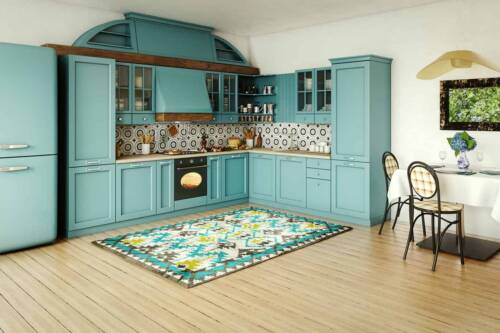
Are rugs suitable for kitchens? Yes, rugs can be suitable for kitchens, provided they are chosen carefully and placed in the right area. A kitchen rug can add warmth, colour and comfort to a practical space that often has hard flooring, bright lighting and a more functional feel than other rooms in the home.
However, kitchens are different from lounges, bedrooms and hallways. They are exposed to food spills, water, grease, crumbs, heat, chairs, foot traffic and regular cleaning. This means not every rug is suitable. The best kitchen rugs are low profile, easy to maintain, secure underfoot and made from materials that can cope with everyday use.
For many UK homes, especially those with tiled, wooden, vinyl or laminate kitchen flooring, a rug can make the space feel more welcoming. It can soften the look of fitted units, define a dining area, protect flooring in busy spots and make standing at the sink or worktop more comfortable.
Why Use A Rug In The Kitchen?
A kitchen is one of the hardest-working rooms in the home. It is used for cooking, preparing drinks, washing up, feeding pets, helping children with homework, chatting with guests and, in many homes, casual dining. Because the room is so practical, it can sometimes feel cold or plain.
A rug can help change that. It adds texture and softness, breaking up large areas of hard flooring. In open-plan kitchen-diners, a rug can also define a specific zone, such as a dining table, breakfast nook or relaxed seating corner.
Rugs are particularly useful in kitchens where the floor feels hard underfoot. Standing on tile or stone-effect flooring for long periods can be uncomfortable. A well-placed rug or runner can make everyday tasks feel easier, especially around the sink or preparation area.
There is also a design benefit. Kitchen units, appliances and worktops often have smooth, hard surfaces. A rug introduces pattern and warmth, helping the room feel more like part of the home rather than a purely functional area.
Are Rugs Safe To Use In Kitchens?
Rugs can be safe in kitchens when they are stable, correctly positioned and suitable for the flooring beneath them. The main safety concern is slipping or curling. A rug that moves underfoot can be a trip hazard, especially in a busy kitchen where people may be carrying hot drinks, plates or pans.
This is why rug underlay is important. A suitable non-slip underlay can help keep the rug in place, reduce movement and make the surface feel more secure. This is particularly important on smooth flooring such as tiles, laminate, wood or luxury vinyl.
The edges of the rug also matter. In a kitchen, avoid rugs with corners that curl easily or thick edges that catch feet. Low-profile rugs are generally more practical because they sit closer to the floor and are less likely to obstruct doors, stools or chair legs.
Placement matters too. Avoid putting rugs in areas where they may become soaked or greasy. A rug should improve the room, not make it more difficult or less safe to use.
What Type Of Rug Works Best In A Kitchen?
The best type of rug for a kitchen is usually a low pile, flatwoven or tightly woven rug that is easy to vacuum and does not trap too much dirt. Kitchen rugs need to cope with crumbs, dust, spills and frequent movement, so deep pile rugs are rarely the most practical choice.
Flatwoven rugs can work well because they sit close to the floor and are easier to place in narrow spaces. A runner can be especially useful in galley kitchens or along the length of a kitchen island. It can guide the eye, protect flooring and make the space feel warmer.
Patterned rugs are often more forgiving than plain rugs. A soft geometric design, traditional pattern, faded effect or mixed colour weave can help disguise everyday marks. Very pale plain rugs may look attractive at first, but they can show kitchen use quickly.
If you have a long, narrow kitchen, Rugs of Dorset’s runner rugs collection may be useful for comparing shapes and styles that suit walkway areas.
What Materials Are Best For Kitchen Rugs?
Kitchen rug materials should be practical, durable and manageable. Synthetic fibres are often a strong option because they can be easier to clean and more resistant to everyday staining than delicate natural fibres. Polypropylene and polyester rugs are commonly chosen for busy homes because they can offer durability and a wide choice of colours and patterns.
Wool can also work in some kitchens, particularly in dining zones or quieter areas. It is naturally resilient and comfortable, but it should be protected from excessive moisture and heavy food spills. A wool rug beside a dining table may be more suitable than one directly in front of a sink or cooker.
Flatwoven cotton or cotton-blend rugs can be useful where flexibility and easy handling are important, although durability depends on the quality and construction. Some lighter rugs may move more easily, so underlay is often needed.
Natural plant fibres such as jute and sisal can look beautiful in kitchens, but they need caution. They do not always respond well to water or staining, and kitchen spills can be difficult to remove. They may be better in dry dining corners than in active cooking areas.
Where Should You Place A Rug In A Kitchen?
The best placement depends on the layout of the kitchen. In a galley kitchen, a runner down the centre can soften the walkway and make the room feel more welcoming. In a kitchen with an island, a runner beside the island can add comfort where people stand frequently.
In a kitchen-diner, a rug under the dining table can help define the eating area. This works particularly well in open-plan homes where the kitchen, dining and living spaces blend together. The rug helps separate the dining zone without needing physical dividers.
A small rug can also work in front of a sink, as long as it is stable and easy to clean. This is a common area where people stand for washing up or food preparation. However, it is also a place where water spills are likely, so material choice is important.
Try to avoid placing rugs too close to the oven, hob or areas where grease splashes are common. A rug should be far enough away from obvious spill zones to remain practical.
For compact spaces, Rugs of Dorset also has small rugs and medium rugs that may suit different kitchen layouts.
Are Rugs Suitable Under Kitchen Tables?
Rugs can work well under kitchen tables, especially in open-plan rooms or kitchen-diners where you want the eating area to feel separate from the cooking area. A rug beneath the table can soften the sound of chairs, protect flooring and make the space feel more comfortable.
Size is important. The rug should be large enough for chairs to remain on the rug when pulled out. If the rug is too small, chair legs may catch on the edges, which can be frustrating and may cause wear over time.
Low pile rugs are usually best beneath tables because chairs move more easily across them. Deep pile rugs can make chairs harder to pull in and out, and crumbs may become trapped in the fibres.
Patterned rugs are often a sensible choice for dining areas. They are more forgiving than plain rugs and can help disguise small marks between cleans. Mid-tones and mixed colours are often more practical than very pale shades.
What Colours And Patterns Work Best In Kitchens?
Kitchen rugs often work best in colours and patterns that balance practicality with warmth. Mid-tones, muted patterns and natural shades are usually easier to live with than very pale or very dark plain designs.
Warm neutrals such as beige, stone, taupe and oatmeal can soften modern kitchens without overwhelming them. Earthy colours such as terracotta, olive, rust and warm brown can add character, especially in kitchens with wood, cream cabinets or natural finishes.
Blue and green rugs can also work well, particularly in coastal, country or traditional interiors. Soft patterns can help connect the rug with tiles, painted units or accessories without making the room feel too busy.
If the kitchen is very plain, a patterned rug can introduce personality. If the kitchen already has patterned tiles, colourful cabinets or strong worktops, a calmer rug may be better. The aim is to add warmth, not visual clutter.
When Should You Avoid A Rug In The Kitchen?
There are some kitchen situations where a rug may not be the best choice. If the floor regularly becomes wet, greasy or heavily soiled, a rug may be difficult to maintain. This might apply in very busy cooking areas, utility zones or homes where pets frequently spill food and water.
You should also avoid rugs where they could create a trip hazard. If the kitchen is extremely narrow, has tight corners or includes doors that open directly across the rug, check the clearance carefully. A rug that catches every time the door opens will quickly become annoying and unsafe.
Delicate, antique or high-value rugs should generally be kept away from active kitchen work zones. Even careful households can have occasional spills, and kitchen stains can be more difficult to manage than general household dirt.
If you love the look of rugs but are worried about maintenance, consider using one in the dining area rather than directly beside the sink or cooker.
How Do Kitchen Rugs Affect Room Style?
A rug can change the whole mood of a kitchen. A modern white kitchen can feel softer with a warm neutral runner. A country kitchen can feel more layered with a traditional patterned rug. A dark kitchen can feel more inviting with a lighter rug that reflects available light.
In open-plan spaces, rugs are especially useful because they help the kitchen connect visually with the living area. If the lounge has a rug but the kitchen floor is bare, the space can feel uneven. A carefully chosen kitchen rug can create flow between zones.
A rug can also introduce colour without committing to permanent changes. Unlike tiles, cabinets or worktops, rugs can be moved or replaced if your style changes. This makes them a practical option for renters, landlords and homeowners who want to refresh a kitchen without major work.
For sale or rental properties, a rug can make a kitchen feel more homely in photographs and viewings. It helps add warmth to a room that can otherwise feel quite hard-surfaced.
How To Keep A Kitchen Rug Looking Good
Kitchen rugs need regular care because they are exposed to more everyday mess than rugs in quieter rooms. Vacuuming helps remove crumbs, grit and dust before they work deeper into the fibres. Shake or lift lighter rugs when appropriate to remove debris beneath them.
Spills should be dealt with quickly. Blot liquids rather than rubbing them, as rubbing can spread the stain and damage fibres. Follow the rug’s care guidance and avoid harsh cleaning chemicals unless they are suitable for the material.
Rotate the rug occasionally if one area receives more foot traffic than another. This is especially useful for runners beside islands or sinks. An underlay can also help reduce movement and friction, which may extend the rug’s life.
It is also sensible to use doormats near external kitchen doors. This reduces the amount of outdoor dirt reaching the rug, especially during wet UK weather.
Frequently Asked Questions
Are rugs hygienic in kitchens?
Rugs can be hygienic in kitchens if they are cleaned regularly and placed sensibly. Choose low pile or flatwoven designs that are easy to vacuum, and avoid placing rugs where they will regularly become wet or greasy.
Can you put a rug in front of the kitchen sink?
Yes, you can put a rug in front of the kitchen sink, but choose a practical, stable rug that can handle occasional splashes. Use an underlay to reduce slipping and avoid delicate materials in this area.
Are washable rugs best for kitchens?
Washable rugs can be useful in kitchens, especially in homes with children or pets. However, durability, grip, size and appearance still matter. A washable rug should still suit the room and stay secure underfoot.
Summary
Rugs can be suitable for kitchens when they are chosen for real kitchen use. The best options are usually low pile, flatwoven or tightly woven rugs made from practical materials. They should be easy to clean, stable underfoot and placed away from the messiest areas where possible.
A kitchen rug can add warmth, comfort and character to a room that often has hard surfaces. It can define a dining zone, soften a walkway, protect flooring and help the kitchen feel more connected to the rest of the home.
To choose well, think about material, placement, colour, pattern and safety together. A rug that works beautifully in a lounge may not be right for a kitchen, but the right kitchen rug can be both stylish and practical.
Explore Rugs of Dorset to compare runners, small rugs, medium rugs and other options for busy, comfortable homes. Phone: 01305 605550
Email: info@rugsofdorset.co.uk
Find out more: /