Quality Handwoven Rug: How Long Can It Last?
A quality handwoven rug can last for decades when it is chosen carefully, placed sensibly and looked after with regular care. In many homes, a well-made rug is not just a short-term decorative purchase. It becomes part of the room, adding warmth, texture, comfort and character year after year.
The exact lifespan depends on several factors, including the material, weave, density, dye quality, foot traffic and cleaning routine. Some handwoven rugs can remain beautiful for 20, 30 or even 50 years, while exceptional pieces may last much longer when treated with care. For homeowners, landlords and interior design enthusiasts, understanding what makes a rug durable can help you buy with confidence and protect your investment.
Why Handwoven Rugs Can Last So Long
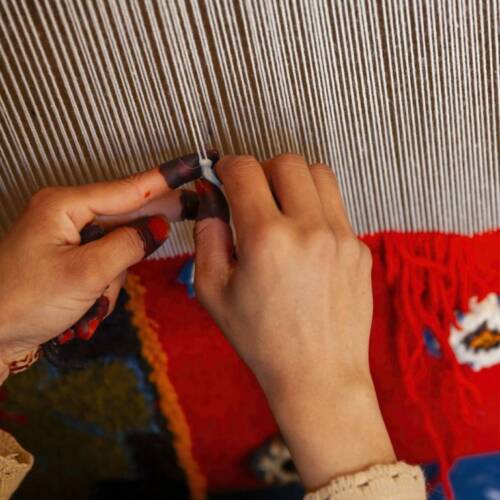
Handwoven rugs are valued because they are made with skill, patience and attention to detail. Unlike many machine-made alternatives, a handmade rug is built through individual knots, flatweave techniques or carefully interlaced fibres. This can create a strong structure that responds well to daily use.
A quality handwoven rug often has a depth and character that develops with age. Natural fibres may soften over time, colours can mellow slightly and the surface can gain a lived-in quality that suits both traditional and modern interiors. Rather than looking worn out quickly, a good rug can become more appealing as it settles into the home.
This longevity is one reason handwoven rugs are often seen as practical as well as decorative. They can work in sitting rooms, bedrooms, dining spaces, hallways and quieter commercial settings, provided the right rug is matched to the right room.
What Affects The Lifespan Of A Quality Handwoven Rug?
No two rugs wear in exactly the same way. A rug placed under a coffee table in a quiet lounge will have a very different life from one used in a busy hallway or open-plan family space. Before buying, it is worth thinking about how the rug will be used every day.
The main factors that affect lifespan include:
- Material, such as wool, cotton, jute or synthetic blends
- Weave type, including knotted, flatwoven and kilim styles
- Foot traffic and furniture placement
- Sun exposure, moisture and room conditions
- Cleaning habits and whether spills are treated quickly
- Whether a suitable rug underlay is used
Wool is one of the most respected materials for long-lasting rugs. It is naturally resilient, comfortable underfoot and often performs well in busy areas. Cotton can be lighter and flexible, while flatwoven styles can suit spaces where a lower profile is preferred. The right choice depends on how the room is used, not just how the rug looks.
Material Matters More Than Many People Realise
When people ask how long a quality handwoven rug can last, they often focus on appearance first. Pattern, colour and size are important, but material has a major influence on durability.
Wool rugs are popular because wool fibres can spring back after being compressed. This helps the rug handle footsteps, furniture and regular movement. Wool also tends to hide minor marks better than very smooth fibres, which makes it a sensible option for living rooms and bedrooms.
Cotton is often used in flatweaves or as a foundation material. It can be practical and versatile, although it may not always offer the same long-term resilience as a dense wool pile. Jute and other natural plant fibres can bring attractive texture, but they are usually best kept away from damp areas because moisture can weaken the fibres.
A quality handwoven rug should feel appropriate for its intended space. A delicate decorative rug may be perfect beside a bed but less suitable for a main walkway. A more robust wool or flatwoven rug may be better where shoes, pets, children or frequent guests are part of daily life.
The Role Of Weave And Construction
The way a rug is made is just as important as the fibres used. Dense hand-knotted rugs can be extremely durable because each knot contributes to the strength of the structure. A higher knot density can create a finer pattern and a firmer surface, although this does not automatically mean every high-density rug is suitable for every home.
Flatwoven rugs, including many kilim rugs, are made without a deep pile. They can be lighter, easier to move and suitable for spaces where doors need to open over the rug. Their low profile can be useful in hallways, dining areas and layered interiors. If you are drawn to the texture and heritage of flatweaves, browse the Rugs of Dorset kilim rugs range for inspiration.
Edges and fringes also matter. These areas often show wear first because they are more exposed. A rug with secure edges, sound stitching and a stable foundation will usually cope better with regular use than one with loose or fragile finishing.
Can A Handwoven Rug Last A Lifetime?
In the right conditions, a handwoven rug can last a lifetime. This is most likely when the rug is made from durable materials, used in a suitable room and maintained consistently. Many older rugs survive because they were rotated, cleaned carefully and protected from prolonged damp or harsh sunlight.
However, lifetime use does not mean the rug will look brand new forever. Aged wool, softened colours and minor signs of use are part of the appeal for many people. The aim is not to keep the rug untouched, but to help it age gracefully.
For busy family homes, a realistic expectation might be several decades of use from a well-chosen rug. In lighter-use spaces, the lifespan may be much longer. In high traffic areas, such as entrances and corridors, the rug may still last well, but it will need more attention and occasional professional cleaning.
How Room Choice Affects Rug Longevity
Where you place your rug has a direct impact on how long it will last. A bedroom rug usually has an easier life because it is used with bare feet or slippers and is less exposed to dirt. A living room rug may experience heavier use, especially around sofas, coffee tables and television areas. A hallway runner works harder because it often receives repeated footfall in the same narrow path.
If you are choosing for a compact room, the correct size can also protect the rug. A rug that is too small may shift, curl or sit awkwardly beneath furniture. Larger rugs can anchor the layout and spread wear more evenly. For rooms where proportions matter, Rugs of Dorset offers small rugs, medium rugs and large rugs to help suit different spaces.
For narrow walkways, a runner should be chosen with both style and durability in mind. A well-made runner can protect flooring while adding warmth and pattern. If you are planning a hallway update, the runner rugs collection is a useful place to compare options.
Everyday Care That Helps A Rug Last Longer
Good care does not need to be complicated. Regular, gentle maintenance can make a significant difference to the lifespan of a quality handwoven rug. The key is to prevent grit, dust and moisture from damaging the fibres over time.
Useful care habits include:
- Vacuuming gently without using overly harsh brush settings
- Rotating the rug every few months to balance wear and sunlight exposure
- Blotting spills immediately rather than rubbing them into the fibres
- Using a suitable rug underlay to reduce movement and friction
- Keeping rugs away from persistent damp or direct heat sources
- Arranging professional cleaning when the rug needs deeper care
These steps are especially important in UK homes where wet shoes, muddy entrances and variable weather can bring more dirt indoors. Even a durable rug will last longer when outdoor debris is reduced, so door mats and a shoes-off habit can help protect handwoven pieces.
Common Mistakes That Shorten Rug Lifespan
Many rug problems come from small habits repeated over time. One common mistake is using a rug in the wrong environment. A delicate rug in a busy entrance may wear quickly, while a rug placed in a damp kitchen corner may suffer from moisture exposure.
Another mistake is ignoring movement. If a rug slips, bunches or creases, the fibres and foundation can be stressed. This is uncomfortable underfoot and may create uneven wear. A suitable underlay can help the rug sit securely and may also make it feel more comfortable.
Harsh cleaning is another issue. Strong chemicals, excessive water or aggressive scrubbing can damage fibres and dyes. When a spill happens, gentle blotting is usually safer than rubbing. For valuable or older handwoven rugs, professional advice is often the best option.
Are Handwoven Rugs Suitable For Modern Homes?
Handwoven rugs work well in modern interiors because they bring texture, depth and individuality. A contemporary room with simple furniture can be softened by a patterned rug, while a more traditional room can feel richer with a classic design. The contrast between handmade texture and modern furniture is one of the reasons these rugs remain popular.
A quality handwoven rug can also help define zones in open-plan homes. It can frame a seating area, add comfort beside a bed or create visual interest in a hallway. For landlords or property developers, a durable rug can make a room feel more finished without requiring permanent changes to flooring.
Colour choice can make a difference to longevity too. Mid-tones, patterned designs and natural shades often disguise minor marks better than very pale plain rugs. That does not mean light rugs should be avoided, but they may be better in calmer rooms where dirt and heavy footfall are less of a concern.
How To Tell If A Rug Is Worth Keeping
If you already own a handwoven rug, it may be worth preserving even if it shows some age. Signs of quality include a stable structure, attractive ageing, secure edges and fibres that still feel strong. Faded colour is not always a problem, especially if the rug has developed an appealing softness.
Warning signs include persistent odour, mould, brittle fibres, severe foundation damage or loose edges that continue to unravel. Some issues can be repaired, but the cost depends on the rug and the level of damage. If the rug has sentimental or design value, it may be worth seeking specialist advice before replacing it.
When buying a new rug, think beyond immediate appearance. Ask whether the size, material and construction suit the room. A beautiful rug that fits your lifestyle is more likely to stay in the home for many years.
Frequently Asked Questions
Q1: How long can a quality handwoven rug last?
A quality handwoven rug can last for several decades with the right care. Some pieces last 50 years or more, especially when they are made from durable fibres, placed in suitable rooms and cleaned properly.
Q2: Is wool the best material for a long-lasting handwoven rug?
Wool is one of the best choices for many homes because it is resilient, comfortable and naturally suited to regular use. However, the best material depends on the room, foot traffic and the look you want to achieve.
Q3: Should I use an underlay beneath a handwoven rug?
An underlay is often recommended because it helps reduce slipping, creasing and friction. It can make the rug feel more secure underfoot and may help extend its lifespan by reducing movement.
Summary
A quality handwoven rug can last for many years, and in some cases a lifetime, when it is made well and cared for properly. Material, weave, room choice and maintenance all affect how gracefully the rug ages. Wool, strong flatweaves and secure construction are good signs of durability, while regular vacuuming, rotation and prompt spill care can help protect the fibres.
For homeowners, interior design enthusiasts, landlords and businesses, a handwoven rug can be a practical and stylish addition to a room. The best results come from matching the rug to the space rather than choosing on appearance alone.
Explore the Rugs of Dorset collections to find a rug that suits your home, style and room size. For help choosing the right option, contact the team today.
Phone: 01305 605550
Email: info@rugsofdorset.co.uk
Find out more: /