
How to Clean a Persian Rug Safely at Home
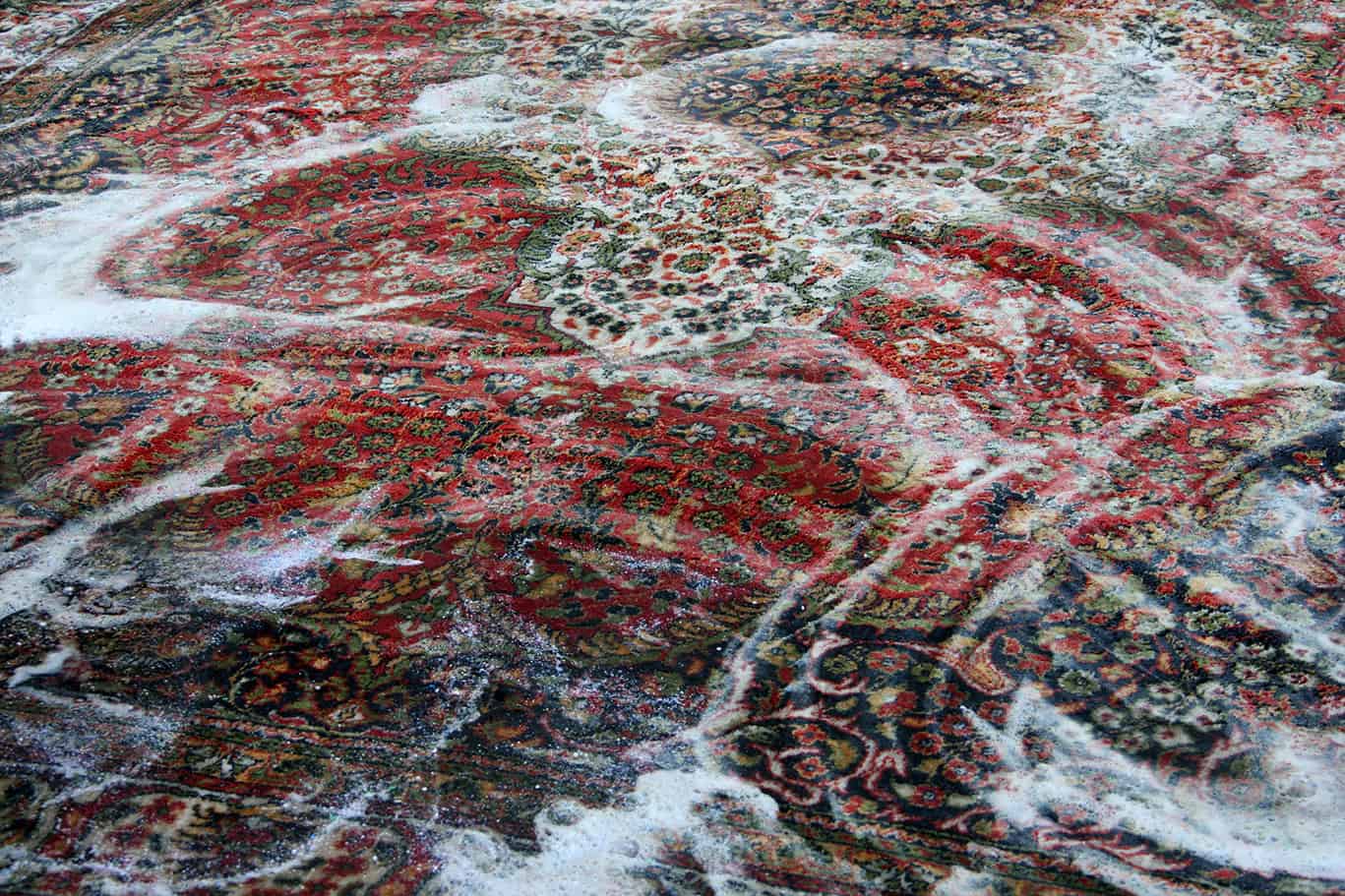
Learning how to clean a Persian rug safely starts with understanding that not every rug should be treated in the same way. Light maintenance can often be done at home, such as gentle vacuuming, quick spill response and careful drying. However, deep cleaning a Persian rug can be risky if the rug is silk, antique, valuable, colour-sensitive or already damaged.
Persian rugs are often made using wool, silk, cotton foundations or delicate dyes. Their construction, age and materials can all affect how they respond to moisture, cleaning products and pressure. A method that works on a modern synthetic rug could damage a hand-knotted Persian rug.
This guide explains how to care for a Persian rug at home, what to check before cleaning, how to deal with everyday spills and when it is safer to call a professional cleaner.
Quick Answer: Can You Clean a Persian Rug Yourself?
You can usually carry out light cleaning and maintenance at home, but you should be cautious. Regular vacuuming, careful blotting and minimal moisture are often safe for many Persian rugs, provided the rug is in good condition and the colours are stable.
Deep cleaning is different. Soaking, scrubbing, steam cleaning or using strong products can cause dye bleeding, shrinkage, fibre damage, musty smells or distortion.
As a general rule:
- Vacuum gently and regularly
- Blot spills immediately
- Use minimal liquid
- Test any cleaning method first
- Avoid harsh chemicals
- Do not soak the rug
- Use professional cleaning for valuable or delicate rugs
If you are unsure what the rug is made from, how old it is or whether the dyes are stable, take the safer route and seek professional advice before cleaning it yourself.
Why Do Persian Rugs Need Careful Cleaning?
Persian rugs are often valued for their craftsmanship, detail and materials. Many are hand-knotted, which means the pile is created through individual knots tied onto a foundation. This gives the rug its texture, pattern and durability, but it also means careless cleaning can affect the structure.
Some Persian rugs are made from wool, while others may include silk or cotton foundations. Older rugs may have natural or delicate dyes that react badly to moisture or cleaning products. Fringes and edges can also be fragile, especially if the rug has already seen years of use.
Cleaning risks can include:
- Colours running or bleeding
- Shrinkage
- Pile distortion
- Fringe damage
- Musty smells from trapped moisture
- Weakening of the foundation
- Stiff or matted fibres
- Uneven fading
This does not mean Persian rugs cannot be cleaned. It means they should be cleaned carefully, with the least aggressive method possible.
What Should You Check Before Cleaning?
Before using any cleaning product or water, inspect the rug properly. This helps you avoid making an existing problem worse.
Is the Rug Wool, Silk or Synthetic?
Wool Persian rugs are usually more resilient than silk, but they still need gentle care. Silk rugs are much more delicate and should usually be professionally cleaned.
Some rugs may look like silk but be made from viscose, artificial silk or another fibre. These can be particularly sensitive to moisture. If you are not sure what the rug is made from, avoid DIY wet cleaning.
Are the Colours Stable?
Colour stability matters because some dyes can bleed when exposed to water or cleaning products.
To test this, lightly dampen a clean white cloth with cool water and press it gently onto a hidden area of the rug. Do not rub. If colour transfers onto the cloth, avoid further cleaning and contact a professional.
Even if there is no colour transfer, you should still use very little moisture.
Is the Backing or Fringe Damaged?
Check the edges, fringe and underside. If the rug is fraying, cracking, flaking or coming apart, cleaning may worsen the damage.
Fringe is especially vulnerable. It can easily become tangled, weakened or pulled if vacuumed or scrubbed too aggressively.
Does the Rug Smell Damp or Musty?
A musty smell can suggest trapped moisture, mould risk or poor previous drying. Do not add more water to a rug that already smells damp. It may need professional assessment and drying.
How Often Should You Clean a Persian Rug?
How often you clean a Persian rug depends on where it sits and how much use it gets.
A rug in a quiet bedroom may only need gentle vacuuming every couple of weeks. A rug in a busy living room may need more frequent care. If there are pets, children or regular foot traffic, spills and dirt should be dealt with quickly.
A sensible routine is:
- Vacuum gently as needed
- Rotate the rug every few months
- Deal with spills immediately
- Check fringes and edges regularly
- Arrange professional cleaning when the rug looks dull, smells unpleasant or has deeper dirt
Avoid setting a rigid cleaning schedule that ignores the rug’s condition. Over-cleaning can be just as harmful as neglect.
How Do You Vacuum a Persian Rug Safely?
Vacuuming is one of the safest ways to maintain a Persian rug, but only if done gently.
Use suction only where possible. Avoid beater bars or rotating brushes, as these can pull at fibres, disturb the pile or damage fringes.
Vacuum slowly and carefully, ideally in the direction of the pile. If the rug has fringe, do not vacuum over it. Use your hands to straighten the fringe gently if needed.
For rugs in regular use, you can occasionally vacuum the underside as well, provided the rug is strong enough to move safely. This can help remove grit and dust that settle through the pile.
Avoid shaking older or delicate rugs aggressively. This can strain the foundation and edges.
How Do You Spot Clean a Persian Rug?
Spot cleaning should be done quickly, gently and with as little moisture as possible.
If there is a spill, blot it immediately with a clean white cloth or plain kitchen towel. Press down gently to absorb the liquid. Do not rub, as rubbing can push the stain deeper and distort the pile.
For most light spills:
- Blot the liquid gently.
- Use a small amount of cool water on a clean white cloth.
- Dab the affected area lightly.
- Blot again with a dry cloth.
- Allow the area to dry fully with good airflow.
Always work from the outside of the spill towards the centre. This helps stop the stain spreading.
Do not pour water directly onto the rug. Do not scrub. Do not use coloured cloths, as dye from the cloth could transfer to the rug.
If the spill is wine, coffee, pet urine, oil, ink or anything strongly coloured, professional cleaning is usually safer.
Can You Use Vinegar, Baking Soda or Detergent?
Household cleaning tips often mention vinegar, baking soda and mild detergent, but these should be used carefully on Persian rugs. They are not automatically safe for every fibre, dye or foundation.
Is Vinegar Safe?
A diluted vinegar solution may be used on some household textiles, but it is not a universal answer for Persian rugs. Vinegar is acidic and may affect delicate dyes or fibres.
Avoid vinegar on silk, antique, valuable or colour-sensitive rugs. If you use it at all, test a hidden area first and use only a very small amount.
Is Baking Soda Safe?
Baking soda is sometimes used for odours, but it can settle into the pile and be difficult to remove fully. On a delicate rug, heavy application and aggressive vacuuming can create more problems.
If a Persian rug smells musty, damp or stale, do not simply cover the smell. Find the cause. Persistent odour may need professional cleaning and proper drying.
What Detergent Should You Use?
If a cleaning solution is needed, use a very small amount of mild, wool-safe detergent diluted in cool water. Test first and use minimal moisture.
Avoid bleach, biological detergents, strong carpet shampoos, stain removers, washing powder and heavily fragranced products. These can damage fibres, affect colours or leave residue.
How Should You Dry a Persian Rug?
Drying is just as important as cleaning. A Persian rug that stays damp for too long can develop odours, mildew or foundation damage.
After spot cleaning, blot away as much moisture as possible with a dry white cloth. Allow the rug to dry naturally with good airflow. A fan or dehumidifier can help, but avoid direct heat.
Do not place the rug in harsh direct sunlight to dry. Strong sunlight can fade colours and may dry the rug unevenly.
Make sure the rug is fully dry before placing furniture back on it. Heavy furniture on a damp rug can leave marks, trap moisture and slow drying.
If a large area of the rug is wet, professional drying may be needed.
What Should You Never Do to a Persian Rug?
Some cleaning methods are too risky for Persian rugs, especially if the rug is handmade, valuable, old or colour-sensitive.
Avoid the following:
- Do not machine wash the rug
- Do not soak it in water
- Do not use bleach
- Do not scrub aggressively
- Do not use a carpet shampoo machine
- Do not steam clean without professional advice
- Do not use hot water
- Do not dry in harsh direct sunlight
- Do not vacuum over the fringe with a rotating brush
- Do not ignore colour bleeding
- Do not leave the rug damp
If a cleaning method feels forceful, wet or harsh, it is probably not suitable for a Persian rug.
When Should a Persian Rug Be Professionally Cleaned?
Professional cleaning is the safest choice when the rug needs more than light maintenance.
Use a professional cleaner if:
- The rug is silk
- The rug is antique or valuable
- Colours are bleeding
- The rug has pet urine stains
- There are wine, coffee or oil stains
- The rug smells musty
- The pile feels stiff or matted
- The rug has mould or water damage
- The fringe or backing is fragile
- You do not know what the rug is made from
A professional rug cleaner can assess the fibre, dye stability, construction and condition before deciding how to clean it. This reduces the risk of permanent damage.
How Can You Keep a Persian Rug Cleaner for Longer?
Preventative care makes a big difference. A Persian rug that is looked after regularly will usually need less intensive cleaning.
Rotate the rug every few months to balance wear and sunlight exposure. This is especially useful in living rooms, where one side may receive more foot traffic.
Use a suitable rug pad where appropriate. This can reduce movement, improve comfort and help protect the rug from wear.
Try to avoid placing delicate rugs in areas where they will face constant dirt, moisture or heavy shoes. Entrances, kitchens and busy hallways may be better suited to more practical rug types.
Simple habits can help:
- Remove shoes where practical
- Blot spills immediately
- Keep the rug dry
- Avoid prolonged direct sunlight
- Vacuum gently
- Move heavy furniture occasionally
- Check edges and fringe for wear
Good care is not about cleaning aggressively. It is about preventing damage before it becomes difficult to fix.
When Is Replacement More Practical Than Cleaning?
Sometimes cleaning is not the best answer. If a rug is badly damaged, heavily stained, musty or unsuitable for the room, replacement may be more practical than repeated cleaning attempts.
Replacement may make sense if:
- The backing is damaged
- The rug smells damp despite cleaning
- Stains are permanent
- The rug is too delicate for the space
- The rug is the wrong size for the room
- The edges are fraying badly
- Cleaning would cost more than the rug is worth
This is especially true if the rug is in a busy household area where spills, pets or heavy foot traffic are common.
If your current rug is no longer suitable and you are looking for a practical replacement, browsing sale rugs can be a useful starting point.
Frequently Asked Questions
Can I clean a Persian rug at home?
Yes, light cleaning can often be done at home. Gentle vacuuming, blotting spills and using minimal moisture are usually the safest options. Deep cleaning, soaking or cleaning delicate rugs should be left to a professional.
Can I use a carpet cleaner on a Persian rug?
It is usually best to avoid carpet cleaning machines on Persian rugs. They can use too much water, too much pressure or unsuitable cleaning products, which may damage fibres, backing or dyes.
Can I steam clean a Persian rug?
Steam cleaning is risky for many Persian rugs because it uses heat and moisture. It can affect dyes, fibres and the foundation. Do not steam clean a Persian rug unless a professional has confirmed it is safe.
What is the safest way to remove a spill?
Blot the spill immediately with a clean white cloth. Do not rub. Use only a small amount of cool water if needed, then blot dry. For wine, coffee, pet urine, oil or strong stains, professional cleaning is safer.
How do I clean Persian rug fringe?
Fringe should be handled gently. Avoid vacuuming it with a rotating brush. Straighten it by hand and blot carefully if it becomes stained. Damaged or discoloured fringe may need professional attention.
How do I remove smells from a Persian rug?
First, identify the cause. A musty smell may mean trapped moisture or mildew risk. Avoid adding more water or covering the smell with powders. If the odour persists, use a professional rug cleaner.
How often should a Persian rug be professionally cleaned?
There is no single rule. It depends on foot traffic, material, age, spills and general condition. Many rugs only need professional cleaning when they look dull, smell unpleasant, have deeper dirt or have suffered a serious spill.
Cleaning a Persian rug safely is about using the gentlest effective method. Regular vacuuming, quick spill response and careful drying can help keep the rug looking its best, but deep cleaning should be approached with caution.
Because Persian rugs vary by fibre, dye, age and construction, avoid soaking, scrubbing, steam cleaning or using strong household products. If the rug is silk, antique, valuable, musty or badly stained, professional cleaning is the safer option.
For help choosing a rug that suits your home, lifestyle and practical needs, contact Rugs of Dorset.
Phone: 01305 605550
Email: info@rugsofdorset.co.uk
Find out more: contact Rugs of Dorset