

How to Hang a Rug on the Wall Safely
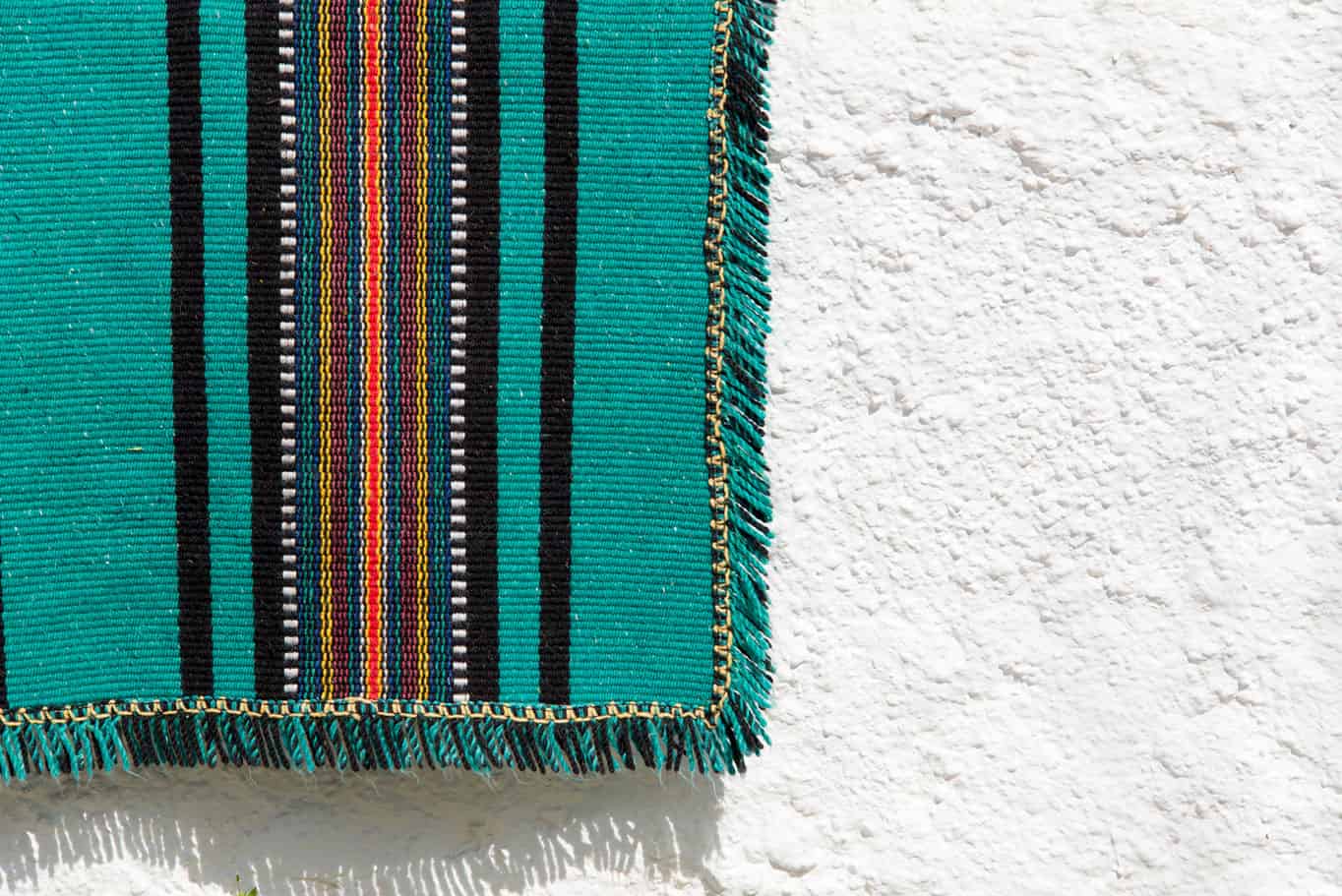
Learning how to hang a rug on the wall is about more than choosing a decorative display method. A rug needs to be supported properly so it does not sag, tear, stretch or fall. The safest approach depends on the rug’s size, weight, weave, condition and the type of wall you are fixing into.
For many rugs, the best methods include a sewn sleeve and rug rod, a textile-safe Velcro system or a suitable tapestry hanger. Lightweight rugs may sometimes be displayed with clips or clamps, but heavier, delicate or valuable rugs need more careful support.
The key is to spread the rug’s weight evenly. Avoid nailing directly through the rug, relying on weak adhesive strips or hanging a heavy piece from only one or two points. These shortcuts can damage the rug and may create safety risks.
This guide explains how to mount a rug on the wall safely, which rugs work best for wall display and what to consider before you start.
Quick Answer: What Is the Best Way to Mount a Rug?
The best way to mount a rug is usually the method that supports the rug evenly without damaging the fibres or putting too much strain on one area.
For most homes, the safest options are:
- A fabric sleeve sewn to the back of the rug with a rod running through it
- A textile-safe Velcro system fixed securely to the wall
- A tapestry hanger designed for textile display
- Padded clips or clamps for lightweight, less delicate rugs
The right method depends on the rug. A small flatwoven rug may be simple to hang, while a heavy pile rug may need stronger brackets and specialist support. An antique, fragile or valuable rug should not be treated as a DIY experiment.
Why Hang a Rug on the Wall?
A rug can work beautifully as wall art. It adds texture, warmth and pattern in a way that framed prints or painted canvases cannot always achieve.
Wall-mounted rugs can be especially effective in rooms with plain walls, high ceilings, wooden floors or neutral furniture. They bring softness and visual depth, while also displaying the craftsmanship and detail of the rug itself.
A rug on the wall can help:
- Add colour and texture
- Create a focal point
- Soften a plain room
- Display woven detail
- Bring warmth to modern interiors
- Make use of a decorative rug that is too delicate for the floor
A wall-mounted rug may also help soften echo slightly in a room, although it should not be treated as a soundproofing solution. Its main benefit is decorative and textural.
What Should You Check Before Hanging a Rug?
Before choosing a mounting method, check the rug and the wall carefully. A method that works for a small flatwoven rug may not be suitable for a thick or heavy rug.
How Heavy Is the Rug?
Weight is one of the most important factors. A heavy rug needs strong, even support. If it is fixed from only two small points, the upper edge may stretch or the wall fixings may fail.
Small rugs and flatwoven pieces are usually easier to hang. Large or thick rugs may need a full-width support system and wall fixings designed for the weight.
What Is the Rug Made From?
Material affects how the rug should be handled. Wool, cotton, synthetic fibres and silk-like materials all respond differently to pressure, clips, stitching and moisture.
Flatwoven rugs are often easier to display because they are thinner and lighter. Thick pile rugs can be heavier and may not hang as neatly unless they are supported well.
Is the Rug Delicate, Old or Valuable?
If the rug is antique, sentimental, handwoven, fragile or valuable, avoid DIY methods that could leave marks, holes or residue. A conservation-style mounting method or professional textile advice may be safer.
Do not use nails, staples, strong adhesive or harsh clips on a rug you would be upset to damage.
What Type of Wall Are You Fixing Into?
Different walls need different fixings. Plasterboard, brick, masonry and stud walls all behave differently.
A lightweight wall hanging may only need simple fixings, but a heavier rug may need brackets fixed into studs or appropriate masonry anchors. If you are unsure, use fixings rated for the weight or ask a professional.
Will the Rug Be Near Sunlight, Heat or Moisture?
Avoid hanging rugs in damp areas, directly above radiators or in strong prolonged sunlight. Heat and moisture can affect fibres, dyes and backing. Sunlight can fade colours over time, especially on delicate or naturally dyed rugs.
Which Rugs Work Best as Wall Hangings?
Not every rug is suitable for wall display. The best wall-hanging rugs tend to be lighter, decorative and structurally stable.
Good options include:
- Small rugs
- Flatwoven rugs
- Kilim rugs
- Decorative textile-style rugs
- Lightweight woven rugs
- Rugs with strong pattern or colour
Small rugs are often a practical choice because they are easier to support and less likely to sag. If you want to create a decorative wall feature without dealing with the weight of a larger piece, browse small rugs for inspiration.
Flatwoven and kilim rugs are particularly well suited to wall display because their patterns, colours and woven texture can work like textile art. Their lower profile also makes them easier to hang than many thick pile rugs. For decorative woven designs, explore the kilim rugs collection.
Very large or heavy rugs can still be wall-mounted, but only with the right support. In many homes, they are less practical unless you have suitable wall space, strong fixings and a clear installation plan.
Which Wall-Mounting Method Should You Choose?
The best method depends on the rug’s weight, construction and value.
| Method | Best for | Main benefit | Main caution |
|---|---|---|---|
| Sewn sleeve and rod | Small to medium rugs, flatweaves and decorative rugs | Even support across the width | Requires careful sewing |
| Velcro system | Small to medium rugs | Clean, discreet appearance | Should not rely on adhesive alone for heavier rugs |
| Tapestry hanger | Decorative textile-style rugs | Designed for display | Must suit the rug’s size and weight |
| Clips or clamps | Lightweight, less delicate rugs | Simple and removable | Can mark or stress the edge |
| Direct nails | Not recommended | Quick | Can tear or permanently damage the rug |
If in doubt, choose the method that spreads the weight most evenly and causes the least stress to the rug.
How Do You Hang a Rug with a Rod?
A rod and sleeve system is one of the safest ways to hang many rugs because it supports the rug across its full width.
The usual method is to sew a fabric sleeve to the back of the rug near the top edge. A rod is then passed through the sleeve and fixed to the wall with brackets. This keeps the rug straight and helps distribute the weight evenly.
This method works well for many flatwoven, decorative and medium-weight rugs. It can also look neat because the fixings are mostly hidden.
When using a rod:
- Choose a rod strong enough for the rug
- Use wall brackets suitable for the weight
- Make sure the sleeve is sewn securely
- Spread the rug’s weight evenly
- Avoid stitching through areas that would show on the front
If the rug is valuable or delicate, do not sew into it unless you are confident it will not cause damage. A professional textile specialist may be a better option.
Can You Use Velcro to Hang a Rug?
Velcro, or hook-and-loop tape, can be a good option for some small and medium rugs. It creates a clean look because the mounting is hidden behind the rug.
However, it needs to be used properly. Do not rely only on sticky adhesive backing for a heavy rug. Adhesive can fail, leave residue or pull at fibres.
A safer approach is to sew one side of the Velcro to a fabric strip or sleeve attached to the rug, then fix the other side securely to a wooden batten or suitable wall support. This spreads the weight more evenly.
Velcro can work well when:
- The rug is not too heavy
- The wall fixing is secure
- The rug is not delicate or fragile
- The Velcro is stitched to supporting fabric
- The weight is spread across the width
Avoid using adhesive Velcro directly on valuable, antique or delicate rugs.
Can You Hang a Rug with Clips or Clamps?
Clips or clamps can work for lightweight rugs, especially if you want a temporary or simple display. They are easy to fit and remove, and they avoid sewing into the rug.
However, clips concentrate pressure at specific points. If the rug is heavy, the top edge may stretch or sag between the clips. If the rug is delicate, the clips may leave marks or damage the fibres.
If using clips:
- Choose padded or textile-friendly clips
- Space them evenly
- Use enough clips to spread the weight
- Avoid fragile edges
- Check regularly for sagging or pressure marks
Clips are not usually the best choice for heavy, antique or valuable rugs.
Is a Tapestry Hanger a Good Option?
A tapestry hanger can be a neat and decorative way to display a rug, especially if the rug is lightweight and textile-like. These systems are designed for wall hangings, so they can look more finished than improvised hooks or clips.
The important point is weight. Not every tapestry hanger is suitable for every rug. Check that the hanger is wide enough, strong enough and compatible with the rug’s thickness.
A tapestry hanger may be suitable for:
- Decorative woven rugs
- Lightweight flatweaves
- Textile-style wall displays
- Smaller feature rugs
For heavier rugs, a rod and sleeve or professionally supported system may be safer.
Can You Hang a Rug Without Damaging the Wall?
It is possible to hang some lightweight rugs with minimal wall damage, but this depends on the rug and the wall. For very light textiles, removable fixings may sometimes work, but they are not suitable for heavy rugs.
For anything with weight, use secure fixings. A falling rug can damage the wall, the rug and anything below it.
If you rent your home, check what fixing methods are allowed before drilling. You may need to choose a smaller rug, a lighter textile or a removable display method that suits both the rug and the property rules.
What Should You Avoid When Mounting a Rug?
Poor mounting can damage both the rug and the wall. Avoid quick fixes that put too much stress on the textile.
Do not:
- Nail directly through the rug
- Staple the rug to the wall
- Hang a heavy rug from two small hooks
- Use weak adhesive strips for a heavy rug
- Place the rug above a radiator
- Hang it on a damp wall
- Pull the rug too tightly
- Let the rug sag for long periods
- Use clips that bite into delicate fibres
- Ignore the wall fixing strength
The aim is to display the rug while preserving it. If the method would leave holes, pull the weave or put strain on one area, choose another option.
How Do You Care for a Rug on the Wall?
A wall-mounted rug still needs care. It may not collect dirt in the same way as a floor rug, but it can still gather dust, fade or become affected by moisture.
Dust the rug gently as part of your normal cleaning routine. If vacuuming is suitable, use low suction and avoid pulling at the fibres. Do not vacuum fringe aggressively.
Check the fixings occasionally to make sure they remain secure. Also look for sagging, stretching, fading or signs of damp.
To help protect the rug:
- Keep it away from damp walls
- Avoid strong direct sunlight
- Do not hang it above heat sources
- Dust gently
- Check edges and fixings regularly
- Avoid pulling it when cleaning nearby
If the rug is delicate, use very gentle dusting rather than vacuuming.
When Should You Get Professional Help?
Professional help is sensible if the rug is heavy, valuable, antique, fragile or difficult to mount safely.
You may need advice from a textile specialist, framer, installer or tradesperson if:
- The rug is large and heavy
- The wall type is uncertain
- The rug is antique or valuable
- The weave is delicate
- The rug is already damaged
- You are worried about drilling or fixings
- You want a conservation-style display
Getting help can prevent damage and make sure the rug is properly supported.
Frequently Asked Questions
Can you hang any rug on the wall?
Not every rug is suitable. Small, lightweight and flatwoven rugs are usually easier to hang. Heavy, delicate or valuable rugs need stronger support and may require professional mounting.
What is the safest way to hang a rug?
A sewn sleeve and rod is often one of the safest methods because it supports the rug evenly across its width. Textile-safe Velcro or a suitable tapestry hanger may also work for lighter rugs.
Can I nail a rug to the wall?
Nailing directly through a rug is not recommended. It can tear fibres, distort the weave and leave permanent holes. Use a support method that avoids damaging the rug.
Is Velcro safe for hanging a rug?
Velcro can be safe for some small or medium rugs if used properly. It should usually be stitched to a fabric support rather than stuck directly to the rug, especially if the rug has any weight.
What rugs are best for wall hanging?
Small rugs, kilim rugs, flatwoven rugs and decorative textile-style rugs are often best because they are lighter and visually suited to wall display.
How do I clean a rug once it is on the wall?
Dust it gently and use low suction only if the rug can tolerate vacuuming. Avoid pulling at the rug, vacuuming delicate fringe or using moisture while it is hanging.
Hanging a rug on the wall can be a beautiful way to display colour, pattern and craftsmanship, but it needs to be done carefully. The safest method depends on the rug’s size, weight, weave and condition, as well as the type of wall you are fixing into.
Small rugs, kilim rugs and flatwoven designs are often the easiest to display. Heavier rugs need stronger support, and delicate or valuable pieces may need professional help.
Avoid nails through the rug, weak adhesive strips and poor wall fixings. Instead, choose a method that spreads the weight evenly and protects the rug over time.
For help choosing a decorative rug for your home, contact Rugs of Dorset.
Phone: 01305 605550
Email: info@rugsofdorset.co.uk
Find out more: contact Rugs of Dorset