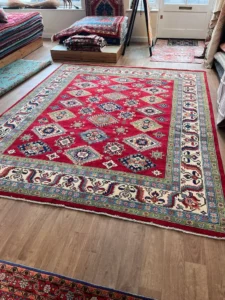

What Colours Work Best For Large Rugs In Smaller Rooms?
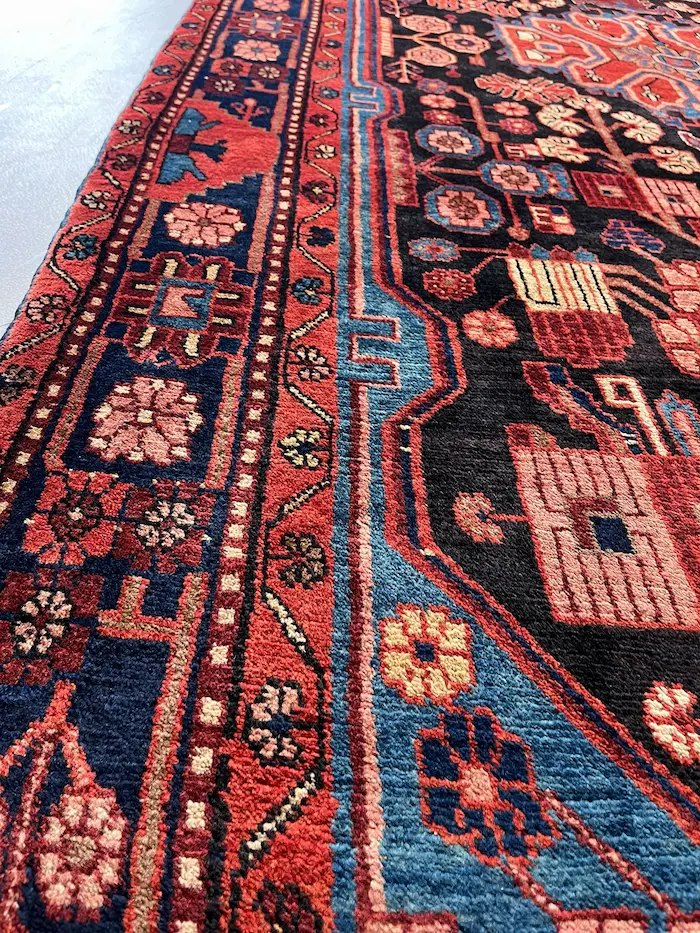
Choosing the right colour for a large rug in a smaller room can make a major difference to how the space feels. A large rug can help a compact room look more balanced, comfortable and complete, but the colour needs to work with the walls, flooring, furniture and natural light.
In many smaller UK homes, from flats and terraces to cottages and new-build bedrooms, floor space is limited. That does not mean you have to avoid large rugs. In fact, a larger rug can sometimes make a smaller room feel more spacious because it creates one clear visual area rather than several broken-up sections of flooring.
The safest colours are usually soft neutrals, warm natural shades, gentle greys, muted blues, faded patterns and mid-tones that do not create too much contrast. However, the best choice depends on the room’s light, style and practical use. A pale rug may brighten a dark bedroom, while a richer patterned rug may work beautifully in a cosy sitting room.
Can A Large Rug Work In A Smaller Room?
Yes, a large rug can work very well in a smaller room. The idea that small rooms must only use small rugs is a common misconception. Sometimes, a rug that is too small can make a room feel more cramped because it visually cuts up the floor.
A larger rug can create a more unified look. In a living room, it can sit beneath the coffee table and connect the sofa and chairs. In a bedroom, it can extend beyond the bed and make the layout feel softer and more generous. In a home office, it can anchor the desk area and reduce the feeling of furniture floating around the room.
The colour of the rug is what makes the difference. If the rug is very dark, heavily bordered or visually busy, it may dominate the room. If the colour works with the rest of the scheme, a large rug can make the space feel calmer and more finished.
For rooms where more coverage is needed, Rugs of Dorset has a range of large rugs suitable for different interiors and layouts.
What Rug Colours Make A Smaller Room Feel Bigger?
Colours that are light, soft or visually gentle usually help a smaller room feel bigger. They reflect more light and reduce harsh contrast, which allows the eye to move around the room more easily.
Good options often include warm cream, ivory, oatmeal, beige, pale grey, soft taupe, muted sage, dusty blue and gentle stone shades. These colours can sit comfortably with wooden floors, neutral walls and many common furniture styles.
A light large rug can be especially useful if the room has dark flooring. Dark wood, slate-effect tiles or deep laminate can make a compact room feel heavier. A pale rug breaks up the darker floor and introduces brightness without needing to change the flooring itself.
However, light does not have to mean plain. A rug with subtle tonal variation, gentle pattern or faded detail can still brighten the space while being more forgiving than a completely plain cream rug. This matters in busy homes where pets, children, shoes or regular visitors may make very pale flooring less practical.
Why Warm Neutrals Are A Safe Choice
Warm neutrals are among the most versatile colours for large rugs in smaller rooms. They add softness without making the room feel cold or stark. Cream, sand, oatmeal and beige tones work particularly well in bedrooms, lounges and open-plan living spaces.
These colours also pair easily with different furniture finishes. They can soften dark wood, warm up grey sofas and sit naturally with rattan, oak, painted furniture or upholstered beds. In smaller rooms, this flexibility is useful because too many competing colours can quickly feel cluttered.
A warm neutral large rug can also make seasonal styling easier. Cushions, throws, lamps and artwork can change over time without clashing with the rug. This makes it a practical choice if you like to refresh your interiors without replacing major items.
For compact spaces, avoid neutrals that are too close to the wall colour if the room already feels flat. A little contrast can be helpful. For example, an oatmeal rug against white walls can add warmth, while a soft taupe rug can ground a pale bedroom without looking heavy.
Are Grey Rugs Still A Good Option?
Grey rugs can still work well, but they need to be chosen carefully. Cool grey was extremely popular in UK interiors for many years, but some rooms can feel flat or cold if grey is used too heavily. In a smaller room, this can make the space feel less welcoming.
The most successful grey rugs for smaller rooms often have warmth or texture. Greige, silver-grey, stone and mixed grey patterns tend to be easier to use than harsh blue-grey tones. They can look calm and modern while still offering enough softness.
A grey large rug can work particularly well with white walls, black accents, natural wood and contemporary furniture. It can also suit rental properties or commercial interiors where a neutral, flexible finish is needed.
If the room already contains a grey sofa, grey curtains and grey flooring, another grey rug may not be the best option. In that case, a warmer neutral, muted green or soft patterned rug could add more depth and make the room feel less one-dimensional.
Can Dark Large Rugs Work In Smaller Rooms?
Dark rugs can work in smaller rooms, but they need the right setting. A deep navy, charcoal, forest green, burgundy or chocolate rug can look elegant and cosy. It may be a good choice in a snug, study, reading corner or bedroom where the aim is warmth rather than maximum brightness.
The risk is that a dark large rug can visually reduce the floor area. Because it absorbs light and creates stronger contrast, it can make the room feel more enclosed. This is not always a bad thing. Some smaller rooms benefit from a cosy, cocooning style. The important thing is to make the choice deliberately.
If you want to use a dark rug in a compact space, balance it with lighter walls, reflective surfaces or furniture with visible legs. This prevents the room from feeling too heavy. A dark patterned rug with lighter details can also be easier to use than a solid dark block of colour.
Dark rugs are often more forgiving for everyday use. They can help disguise small marks and may be practical in rooms with heavier footfall. For a lounge, dining area or rented property, a deeper patterned rug can offer both style and durability.
Should You Choose Plain Or Patterned Colours?
Pattern can be very helpful in a smaller room, especially when the rug is large. A completely plain large rug can sometimes show marks, footprints and furniture impressions more clearly. A patterned rug can add character and make everyday use more forgiving.
The key is choosing the right scale. Large, high-contrast patterns can feel bold and dramatic, but they may overpower a compact room. Very tiny, busy patterns can create visual clutter. A balanced design with softened edges, faded detail or tonal colour variation is often the easiest option.
Traditional rugs, kilim styles, subtle geometrics and distressed patterns can all work well. They add interest without necessarily making the room feel smaller. A rug with several related tones can also tie together different colours already present in the room.
For example, a rug with cream, muted rust and soft blue could connect a wooden floor, neutral sofa and blue cushions. This makes the room feel intentional rather than crowded.
If you like texture and heritage-inspired designs, Rugs of Dorset’s kilim rugs can offer useful ideas for colour, pattern and flatwoven style.
How Flooring Changes The Right Rug Colour
The colour of your flooring strongly affects which large rug will work best. A rug never appears in isolation. It is always seen against the floor around it, as well as the furniture above it.
On dark wood flooring, lighter rugs can brighten the room and create contrast. Warm creams, faded patterns and soft neutrals are often effective. On pale oak or light laminate, a mid-toned rug can add grounding and stop the room looking washed out.
Grey flooring can be more challenging. If the room feels cool, choose a rug with warmth, such as beige, taupe, rust, cream or muted green. If the grey floor is already warm, a soft grey or blue-toned rug may still work.
Patterned flooring, such as decorative tiles or parquet, needs careful handling. A simpler rug colour may be better so the room does not feel too busy. If the floor is plain, you have more freedom to introduce pattern through the rug.
Matching Rug Colours With Walls And Furniture
A large rug in a smaller room should help connect the main elements of the space. This does not mean everything needs to match. In fact, rooms often look more natural when colours relate rather than repeat exactly.
A useful approach is to choose a rug that picks up one or two existing tones. It might echo the colour of cushions, curtains, artwork, wooden furniture or a feature wall. This creates a sense of continuity and makes the room feel more designed.
If your walls are white or neutral, you have more flexibility. You could use a warm neutral rug for calm, a faded patterned rug for character or a deeper colour for contrast. If your walls are already bold, the rug may need to be quieter.
Furniture also matters. A dark sofa on a dark rug can look heavy in a small room. A pale sofa on a very pale rug can look flat unless there is texture or pattern. Try to create enough contrast for definition, but not so much that the rug dominates the space.
Best Colours For Different Small Rooms
Different rooms need different colour choices because they are used in different ways. A small bedroom usually benefits from calm, restful tones. Soft cream, pale grey, muted blue, warm beige and gentle pink can all create a relaxing feel.
A compact living room may need more depth. Mid-toned neutrals, faded traditional designs, soft greens, rust accents or blue-grey patterns can add warmth without overcrowding the space.
A dining room or kitchen-diner needs practicality. Patterns, mid-tones and slightly deeper shades can be more forgiving beneath tables and chairs. Very pale plain rugs may show marks more quickly in areas where food and drink are used.
In a hallway or entrance space, colour should balance style with durability. A runner or large narrow rug in a patterned mid-tone can help disguise everyday dirt while making the space feel welcoming. Rugs of Dorset’s runner rugs may be useful for narrower rooms and connecting spaces.
What Colours Should You Be Careful With?
There are no colours that are completely wrong for every small room, but some need more caution. Pure white can look fresh, but it may be difficult to maintain and can sometimes feel stark. Jet black can be dramatic, but it may make a compact room feel heavier if there is not enough light.
Very bright colours, such as strong red, vivid orange or intense turquoise, can work as accents but may dominate when used across a large rug. If you love bold colour, consider a rug that includes those shades within a wider pattern rather than as one solid block.
High-contrast borders can also be tricky. A strong border draws attention to the rug’s edges, which can visually define the floor area and make the room feel smaller. Softer borders or all-over patterns are often easier in compact spaces.
The safest approach is to order or view the rug with the wider room in mind. Consider how the colour will look in morning light, evening light and artificial lighting, as colours can shift throughout the day.
How To Choose With Confidence
Before choosing a rug colour, look at the room as a whole. Identify the fixed elements first: flooring, walls, large furniture, curtains and built-in storage. These are the colours your rug needs to work with.
Then decide what you want the rug to do. Should it brighten the room, add warmth, create contrast, hide marks or bring pattern into a plain space? Once you know the role of the rug, the colour choice becomes easier.
It can help to compare a few options rather than choosing the first colour you like. For smaller rooms, test the idea visually by laying out a blanket, sheet or paper template in a similar tone. This will not show the exact effect, but it can help you judge whether the colour feels too strong, too pale or just right.
If you are unsure about size as well as colour, Rugs of Dorset also offers medium rugs and small rugs, which can help you compare proportions before settling on a large rug.
Frequently Asked Questions
Do light rugs always make small rooms look bigger?
Light rugs often help small rooms feel brighter and more open, but they are not the only option. Mid-toned rugs, soft patterns and warm neutrals can also make a compact room feel balanced and spacious.
Are patterned large rugs too busy for smaller rooms?
Not always. Patterned large rugs can work very well if the design is balanced and the colours are not too harsh. Faded, tonal or traditional patterns are often easier to use than very bold, high-contrast designs.
Should a large rug match the wall colour?
A large rug does not need to match the wall colour exactly. It should relate to the overall scheme. A little contrast can add depth, while a completely matching rug may make the room feel flat.
Summary
The best colours for large rugs in smaller rooms are usually soft, balanced and connected to the wider interior scheme. Warm neutrals, pale greys, muted blues, gentle greens, faded patterns and mid-tones can all work well. Darker rugs can also be effective when the room has enough light or when a cosy atmosphere is the goal.
The most important point is proportion. A large rug can make a smaller room feel bigger when it creates one calm, unified area. The colour should support that effect rather than interrupt it. Think about flooring, walls, furniture, daylight and daily use before making your choice.
Explore Rugs of Dorset to compare large rugs, small rugs, runners and kilim styles for different rooms and interiors.
Phone: 01305 605550
Email: info@rugsofdorset.co.uk
Find out more: /