
What Is the Most Popular Medium Rug Size in UK Homes?
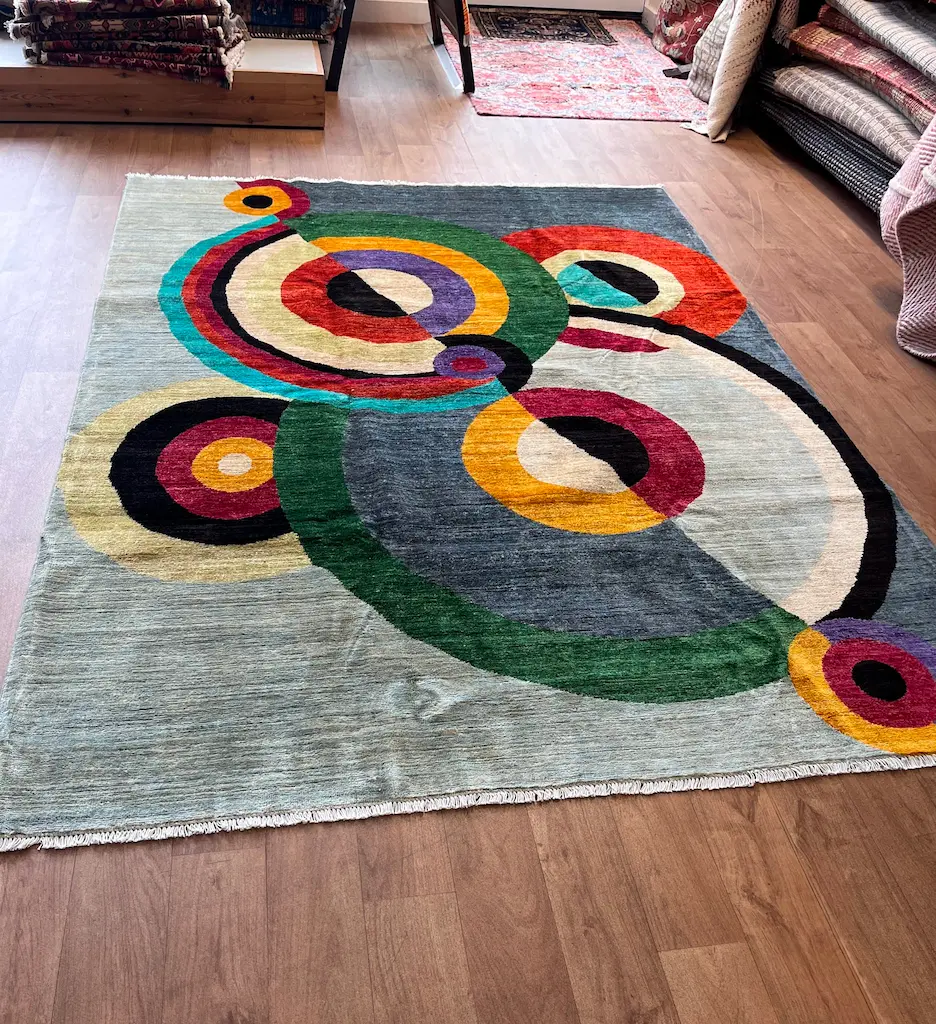
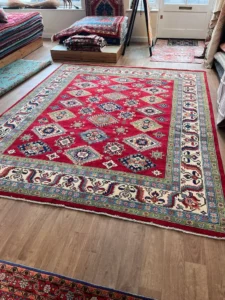
The most popular medium rug size in UK homes is typically around 160 cm x 230 cm. This size is large enough to define a seating area, add warmth to a bedroom or sit beneath a compact dining table, while remaining practical for the proportions of many British homes.
Another commonly chosen medium size is approximately 120 cm x 170 cm. This slightly smaller option often suits box rooms, home offices, reading corners and compact living spaces where a 160 cm x 230 cm rug would feel too dominant.
There is no single size that will suit every property. Room dimensions, furniture placement and the amount of visible flooring all affect which rug will look best. However, 160 cm x 230 cm has become a particularly versatile choice because it works with many standard sofas, beds and dining arrangements.
Choosing the right rug size matters just as much as selecting the colour or design. A rug that is too small can make furniture appear disconnected, while one that is too large may overwhelm the room or interfere with doors and walkways.
What dimensions are usually classed as a medium rug?
Rug size categories are not completely standardised across every retailer or manufacturer. One collection may describe a 120 cm x 170 cm rug as medium, while another may place it towards the smaller end of its range.
As a general guide, medium rugs commonly include dimensions such as:
- 120 cm x 170 cm
- 140 cm x 200 cm
- 150 cm x 215 cm
- 160 cm x 230 cm
- Similar handmade sizes with slight variations
Handwoven and traditional rugs may not always match exact machine-made dimensions. Their sizes can vary slightly because of the way they are produced. This variation is normal and can contribute to the individuality of the rug.
A medium rug will usually cover enough floor to create a noticeable visual zone without filling almost the entire room. It sits between a small accent rug and a large rug designed to anchor most or all of the furniture.
The medium rug collection can therefore include several dimensions suited to different room shapes and layouts.
Why are medium rugs popular in UK homes?
Medium rugs are popular because they suit the scale of many British living spaces. UK homes often include modestly sized lounges, dining rooms, bedrooms and converted spaces where a very large rug may not be practical.
A medium rug offers enough surface area to influence the look and feel of the room without requiring extensive floor space. It can introduce colour, texture and comfort while leaving a border of visible flooring around the edges.
This versatility makes medium rugs useful in:
- Terraced houses
- Semi-detached homes
- Flats and apartments
- Modern new-build properties
- Cottages
- Home offices
- Guest bedrooms
They are also easier to reposition than very large rugs. This can be useful for households that change furniture layouts, redecorate frequently or move between rented properties.
Medium rugs balance style and practicality
A medium rug is often large enough to feel intentional rather than decorative. It can visually connect a sofa and coffee table or provide a comfortable surface beside a bed.
At the same time, it is usually easier to lift, rotate, vacuum and clean than a room-filling rug. It may also cost less than a larger equivalent in the same material and design.
This balance between visual impact and manageable size is one of the main reasons medium rugs appeal to such a wide range of households.
Is 160 cm x 230 cm the best medium rug size?
A 160 cm x 230 cm rug is one of the most versatile medium sizes, but it is not automatically the best option for every room.
It works particularly well when the rug needs to sit partly beneath a standard sofa or anchor a compact seating arrangement. It can also fit beneath a double bed with part of the rug extending beyond the foot and sides.
However, a smaller room may be better suited to a 120 cm x 170 cm rug. Choosing the larger option simply because it is popular can lead to problems if it blocks door movement or leaves insufficient space around the edges.
Before deciding, compare the rug dimensions with:
- The overall room size
- The width of the sofa or bed
- The distance between furniture pieces
- Door clearances
- Fireplaces and hearths
- Main walking routes
- Radiators and built-in furniture
The best rug size is the one that fits the layout naturally rather than the one that appears most frequently in product collections.
Which medium rug size works best in a living room?
In many UK living rooms, a 160 cm x 230 cm rug works well beneath a coffee table and the front legs of a sofa. It can create a defined seating area while leaving the perimeter flooring visible.
The positioning of the rug is important. Placing a medium rug in the centre of the room with no connection to the furniture can make it appear isolated. It often looks more considered when at least the front sofa legs rest on the rug.
Using a medium rug with a two-seater sofa
A 120 cm x 170 cm or 140 cm x 200 cm rug may work with a compact two-seater sofa, particularly in a smaller lounge.
The rug should ideally extend beyond the width of the coffee table and relate visually to the sofa. If it is narrower than the main furniture, the arrangement may feel cramped or unbalanced.
Using a medium rug with a three-seater sofa
For a standard three-seater sofa, 160 cm x 230 cm is often a more comfortable choice. It provides greater width and allows the rug to extend beyond the coffee table.
Where space permits, positioning the front sofa legs on the rug helps connect the furniture. Leaving a small gap between the rug and walls keeps the flooring visible and prevents the room from feeling crowded.
What about corner sofas?
A medium rug may suit a compact corner sofa, but larger modular seating often requires a large rug to achieve the correct proportions.
If only the coffee table fits on the rug and the seating surrounds it at a considerable distance, the rug may look undersized. Marking the proposed dimensions on the floor with masking tape can help reveal whether a medium option is sufficient.
Can a medium rug be used in a bedroom?
Medium rugs are well suited to many bedrooms because they can add softness and warmth without covering the whole floor.
A 160 cm x 230 cm rug may be placed beneath the lower portion of a double bed, allowing the rug to extend at the sides and foot. This creates a comfortable area to step onto in the morning.
In a smaller bedroom, a 120 cm x 170 cm rug may be placed beside the bed or across its foot. It can also define a dressing area or reading chair.
Medium rugs in children’s bedrooms
A medium rug can create a practical play area in a child’s bedroom. It provides a warmer surface than laminate, wood or tile and can help visually separate the play space from the sleeping area.
Low-pile and flat-woven rugs are often easier to use with toy cars, building blocks and activity tables. They are also less likely to conceal small pieces than deep-pile designs.
The rug should be secured with a suitable underlay to reduce slipping, bunching and curled corners.
Medium rugs in guest bedrooms
A medium rug can make a guest room feel more welcoming without requiring major changes to the décor.
A patterned rug can introduce character to a neutral room, while a plain or lightly textured design can add warmth without competing with patterned bedding or curtains.
Can a medium rug fit beneath a dining table?
A medium rug can work beneath a compact dining table, but the dimensions must accommodate both the table and the chairs.
The rug should extend beyond the table far enough for chairs to remain on its surface when pulled out. If the rear chair legs repeatedly drop off the rug, they may catch the edge and cause curling or wear.
A 160 cm x 230 cm rug may suit a small rectangular table for four people, depending on the exact table dimensions. Round tables may work well with rectangular rugs, although the proportions need to feel balanced.
Before buying, pull the chairs away from the table as they would be during use and measure the total footprint. Do not measure the tabletop alone.
Which construction is best beneath a dining table?
A low-pile or flat-woven rug is generally easier to use beneath dining furniture. Chairs can move across it more smoothly, and crumbs are less likely to become embedded deep within the pile.
Patterned rugs are also practical in dining spaces because they can make minor marks less noticeable. Spills should still be treated promptly and according to the rug’s care instructions.
Where else can medium rugs be used?
Medium rugs are not limited to living rooms and bedrooms. Their adaptable proportions allow them to work in several other parts of the home.
Home offices
A medium rug can help define a home office, particularly when the workspace has been created within a bedroom, dining room or open-plan area.
The rug can visually separate the desk from the rest of the room while improving warmth and comfort. A low-pile design is preferable if an office chair needs to roll across the surface.
Conservatories and garden rooms
A medium rug can soften a conservatory or garden room and make it feel more connected to the rest of the home.
Consider exposure to strong sunlight, temperature variation and moisture carried in from the garden. Some natural dyes and fibres may fade if they remain in direct sunlight for long periods.
Larger hallways and landings
A rectangular medium rug can work on a broad landing or in a spacious entrance hall. In narrower passageways, a hallway runner is usually more appropriate.
The rug should not obstruct doors or create a trip hazard. A non-slip underlay is particularly important on smooth flooring.
Open-plan rooms
Medium rugs can define individual zones within an open-plan layout. One rug might establish a reading corner, while another separates a compact dining area.
Consistency between the colours or materials can help the room feel coordinated, even when different rug sizes are used.
How much flooring should remain visible around a rug?
Leaving visible flooring around a medium rug helps frame it and maintain a sense of space.
There is no fixed measurement that applies to every room, but an even border often looks more deliberate than an irregular gap. In a compact room, a smaller border may be sufficient. In a larger space, a wider area of visible flooring can prevent a medium rug from appearing lost.
Pay particular attention to:
- The gap between the rug and walls
- Distance from fireplaces or hearths
- Clearance beneath opening doors
- Position relative to built-in cupboards
- Alignment with the main furniture
It is not always necessary to centre the rug within the entire room. It may be more appropriate to centre it beneath a seating arrangement, bed or dining table.
How should you measure before choosing a medium rug?
Measuring carefully reduces the risk of ordering a rug that looks too small or causes practical problems.
Begin by measuring the full length and width of the room. Then measure the furniture arrangement the rug needs to support.
For a living room, record:
- Sofa width
- Coffee table dimensions
- Distance between chairs
- Available floor space
- Door swing
- Main walking routes
For a bedroom, measure the bed and decide how far the rug should extend at the sides and foot.
For a dining room, measure the table with the chairs pulled out.
Use masking tape to create an outline
One of the most effective ways to visualise a rug is to mark its dimensions on the floor with low-tack masking tape.
Create the full rectangle and leave it in place while using the room normally. Check whether people can walk around it comfortably and whether doors and furniture still move properly.
This technique can also help you compare two sizes. Outline a 120 cm x 170 cm rug first, then extend the tape to represent 160 cm x 230 cm.
The difference may be more significant than it appears when reading the dimensions online.
Should a rug be wider than the sofa?
In most living rooms, the rug should ideally be at least as wide as the sofa or extend beyond it slightly. This creates a balanced relationship between the rug and the largest item of furniture.
A rug that is noticeably narrower than the sofa may make the seating arrangement feel top-heavy.
However, the rule is not absolute. In a very small room, a narrower rug can still work when it is deliberately positioned beneath the coffee table and connected visually through colour and design.
The overall composition matters more than following a rigid formula. The rug, sofa, chairs and table should feel like part of the same arrangement.
What colour or design works best for a medium rug?
Medium rugs are large enough to have a noticeable effect on the room, so colour choice deserves careful thought.
A pale rug can brighten a darker room and create a more spacious impression. However, it may show marks more readily in a busy household.
Darker colours can make a room feel cosy and grounded, although they may reveal pale pet hair, dust or lint.
Mid-tone colours are often practical because they balance visual warmth with easier maintenance. Traditional motifs, geometric patterns and mixed-colour designs can conceal everyday signs of use while adding interest.
Consider the existing:
- Sofa colour
- Wall shade
- Flooring
- Curtains
- Cushions
- Artwork
- Natural light
The rug does not need to match every element exactly. It can repeat one or two colours from elsewhere in the room to create a coordinated look.
Should you choose a medium or large rug?
Choose a medium rug when you want to define part of a room, retain visible flooring or work with a compact furniture arrangement.
A large rug may be more appropriate when:
- The room is spacious
- Most furniture should sit fully on the rug
- The seating arrangement includes a large corner sofa
- The dining table seats six or more people
- A medium rug appears disconnected from the furniture
A medium rug may be better when:
- The room has limited floor space
- Doors require generous clearance
- You want to retain more visible wood or tile
- The rug will sit beside or partly beneath a bed
- You expect to move the rug periodically
Do not assume that a larger rug will always make the room feel smaller. In some cases, a properly proportioned large rug can make a room feel more unified. Equally, a medium rug can be the better option when it fits the actual furniture grouping.
Frequently Asked Questions
Is 160 cm x 230 cm considered a medium rug?
Yes, 160 cm x 230 cm is commonly classed as a medium rug, although categories vary between retailers. It is one of the most versatile sizes for living rooms, bedrooms and compact dining areas.
Is 120 cm x 170 cm too small for a living room?
It may suit a small living room, reading corner or compact seating area. In a room with a three-seater sofa or several chairs, it can appear undersized. Marking the dimensions on the floor before buying will help.
What size rug works with a two-seater sofa?
A rug around 120 cm x 170 cm or 140 cm x 200 cm can work with a compact two-seater sofa. The rug should relate to the sofa width and extend beyond the coffee table.
Can all four sofa legs sit on a medium rug?
This depends on the sofa and rug dimensions. In many UK living rooms, only the front sofa legs sit on a medium rug. A larger rug may be required if all furniture legs need to rest fully on the surface.
What size rug should go under a double bed?
A 160 cm x 230 cm rug can work beneath the lower portion of a double bed. The exact position should allow enough rug to remain visible at the sides and foot.
Do handmade medium rugs come in exact standard sizes?
Not always. Handwoven rugs may vary slightly from standard dimensions because of their construction. Check the exact measurements of the individual rug rather than relying only on the size category.
Which medium rug size should you choose?
For many UK homes, 160 cm x 230 cm is the most popular and versatile medium rug size. It works well in living rooms, bedrooms and smaller dining areas while providing enough coverage to connect furniture visually.
A 120 cm x 170 cm rug may be the better choice for compact lounges, children’s rooms, home offices and small seating areas.
The final decision should be based on the room and furniture rather than popularity alone. Measure carefully, mark the proposed dimensions on the floor and consider how people move through the space.
A well-sized medium rug should feel connected to the furniture, leave practical clearance and enhance the room without overwhelming it. Choosing the right proportions will help the rug look intentional and remain comfortable to live with for years.
To explore medium rugs in a range of colours, patterns and materials, contact Rugs of Dorset for friendly guidance.
Phone: 01305 605550
Email: info@rugsofdorset.co.uk
Find out more: /