
Can Small Rugs Make A Room Feel Bigger?
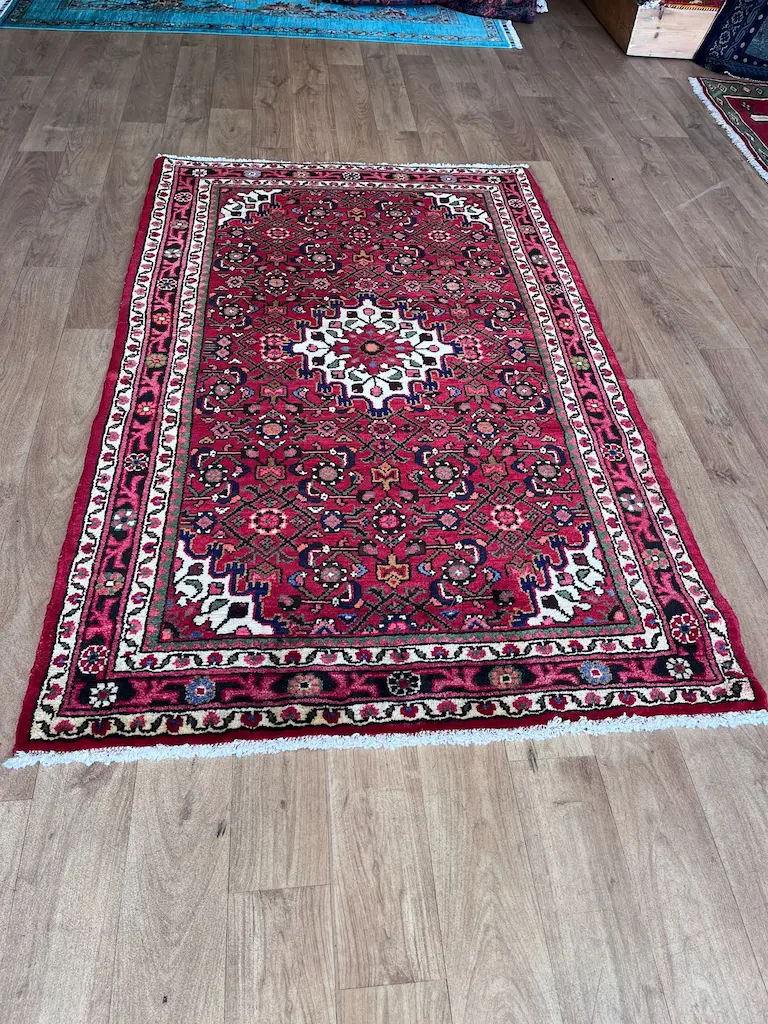
Can small rugs make a room feel bigger? Yes, they can, but only when they are chosen and placed carefully. A small rug can help define a space, draw the eye, introduce colour and make a compact room feel more considered. However, the wrong size, colour or placement can have the opposite effect, making the room look fragmented or cramped.
This is why small rugs are such a useful but often misunderstood part of interior styling. They are not simply a cheaper alternative to larger rugs. Used well, they can create balance, soften hard flooring and help a room feel more open. Used poorly, they can make furniture look disconnected and highlight the limited floor area.
For UK homes where spare bedrooms, flats, cottages, terraces and new-build rooms can be modest in size, small rugs can be an effective way to improve the feel of a space without changing the flooring.
Can Small Rugs Really Make A Room Look Larger?
Small rugs can make a room look larger when they help the eye read the space more clearly. In a compact room, visual clutter is one of the biggest reasons the space feels smaller than it really is. A rug can act as an anchor, giving furniture and décor a clear relationship to one another.
For example, a small rug placed beneath a coffee table can create a defined sitting area. A rug beside a bed can make a small bedroom feel warmer without covering the whole floor. A slim rug in front of a console table can add interest to a hallway without overwhelming it.
The key is proportion. A rug should look intentional rather than accidental. If it appears to be floating in the middle of the floor with no connection to the furniture, it can make the room feel smaller because it draws attention to empty gaps and awkward spacing.
A small rug works best when it supports the room layout. It should help the space feel planned, not broken into separate pieces.
Why Rug Placement Matters In Small Rooms
Placement is often more important than the rug itself. A beautiful small rug can still look wrong if it sits in the wrong position. In smaller rooms, every visible line matters, including furniture edges, flooring direction, rug borders and walkways.
A common mistake is placing a small rug too far away from the furniture. This creates a disconnected patch of colour in the centre of the room, which can make the floor area feel chopped up. Instead, the rug should usually relate to the main furniture group.
In a small living room, this might mean placing the rug under the coffee table and close enough to the sofa that it feels part of the seating area. In a bedroom, a small rug can sit beside the bed or partly under the lower third of the bed to create softness without needing a full room-sized rug.
For hallways, a compact runner or smaller rug can help guide the eye along the length of the space. Rugs of Dorset offers a selection of runner rugs that can work well in narrow areas where shape and direction are important.
Where Should You Place A Small Rug?
The best position depends on the room, but the same basic principle applies throughout the home: the rug should have a clear purpose. It might define a seating area, soften a bedside space, protect flooring or add warmth to a reading corner.
Useful placements include:
- Under or near a coffee table in a compact lounge
- Beside a bed in a small bedroom
- In front of a fireplace, sideboard or occasional chair
- Beneath a small dining table where proportions allow
- In a hallway, landing or entrance space
- In a home office to define the desk area
In very small rooms, it is often better to keep some flooring visible around the rug. This can create a border that makes the floor area feel more open. However, the border should look balanced. If there is too much exposed floor around a tiny rug, the rug may look undersized.
The aim is to create a sense of order. When the rug, furniture and walking routes all work together, the room feels easier to understand and more spacious.
What Colours Work Best For Small Rugs In Compact Rooms?
Colour has a major effect on how spacious a room feels. Lighter colours often help a room feel brighter and more open, especially where natural light is limited. Soft neutrals, warm creams, pale greys, gentle blues and muted earthy tones can all work well in compact spaces.
That does not mean small rooms must only use pale rugs. A small rug can introduce deeper colour successfully if the rest of the room is balanced. For example, a patterned rug with warm terracotta, navy or forest green can add depth without making the room feel dark, provided there is enough lighter colour elsewhere.
The best approach is to think about contrast. A very dark rug on a very light floor can create a strong visual stop, which may make the floor look smaller. A softer contrast can feel more spacious because the eye moves more smoothly across the room.
For smaller rooms, consider colours that connect with existing elements, such as cushions, curtains, artwork or wood tones. This helps the rug feel integrated rather than separate.
Do Patterns Help Or Hurt In Small Rooms?
Patterns can work very well in small rooms, but scale matters. A very large, bold pattern on a small rug may dominate the space. A tiny, busy pattern may make the room feel cluttered. The most successful option is often a balanced design with enough detail to add interest but enough calm areas to avoid visual noise.
Traditional motifs, subtle geometric designs, faded effects and soft stripes can all help. Stripes or linear patterns can be especially useful because they can lead the eye across or along the room. In a narrow space, a lengthways pattern can make the area feel more stretched and considered.
A patterned rug can also be practical. In homes with children, pets or frequent visitors, pattern can disguise small marks better than a plain pale rug. This makes it a sensible choice for living rooms, hallways and multi-use spaces.
If you are choosing for a compact room, Rugs of Dorset has a dedicated small rugs collection that can help you compare colours, patterns and styles in proportion.
When Can A Small Rug Make A Room Feel Smaller?
A small rug can make a room feel smaller when it looks too isolated. This often happens when the rug is much too small for the furniture around it. In a living room, a rug that sits far from the sofa and chairs can make the seating area feel scattered. Instead of pulling the room together, it highlights the gaps.
A rug can also reduce the sense of space if the colour is too heavy for the room. Dark colours can be stylish, but they need balance. In a small room with limited daylight, a very dark rug may absorb light and make the floor feel visually heavier.
Another issue is excessive contrast. A small rug with a strong border can visually frame a tiny section of floor, which may make the room feel more confined. This does not mean bordered rugs should be avoided, but the size and placement need to feel deliberate.
The wrong shape can also affect the room. A rectangular rug may not suit every layout. In some spaces, a round rug can soften corners and create movement. In others, a runner or narrow rug may make better use of the available floor area.
Should You Choose A Small Rug Or A Larger Rug?
The answer depends on the room layout and the effect you want. A larger rug can sometimes make a small room feel bigger because it creates one continuous area rather than several small sections. This is particularly true in living rooms where the front legs of furniture can sit on the rug, helping the seating arrangement feel unified.
However, a small rug may be better when you want a lighter touch. In a bedroom, placing rugs either side of the bed can add comfort without covering the entire floor. In a hallway, a narrow runner can be more practical than a broad rug. In a compact home office, a small rug can define the desk area without crowding the room.
If you are unsure, compare measurements before choosing. Use masking tape or newspaper on the floor to mark out the rug size. This gives a realistic sense of how the rug will sit within the room.
For rooms that may need more floor coverage, you can also compare medium rugs and large rugs to see whether a bigger size would create a calmer layout.
How Small Rugs Help Define Open-Plan Spaces
Small rugs are not only useful in small rooms. They can also help define zones in open-plan spaces. In a kitchen-diner, studio flat or open lounge, a small rug can mark out a reading corner, work area or relaxed seating spot.
This can make the overall space feel more organised. When each area has a clear purpose, the room feels easier to use. The rug creates a visual boundary without adding walls, screens or bulky furniture.
This is especially useful in rental properties or homes where permanent changes are not possible. A rug can change the feel of a room quickly, and it can move with you if your layout changes.
The same idea works in larger rooms that feel empty. A small rug can bring focus to a corner that might otherwise feel unfinished. Add a chair, side table and lamp, and the rug helps turn an unused area into a comfortable feature.
How To Choose The Right Small Rug For Your Room
Choosing a small rug is not only about measuring the floor. It is about understanding what the room needs. A plain room may benefit from pattern and texture. A busy room may need a calmer design. A dark space may need lighter tones, while a bright room can often handle richer colours.
Think about how the room is used. A decorative rug in a quiet bedroom does not need the same durability as a rug in a hallway or family lounge. If the space gets regular foot traffic, look for a rug that feels robust and easy to live with.
Texture is also important. A deep, soft pile can add comfort but may not be ideal beneath moving chairs or in narrow walkways. A flatter weave can be easier to place near doors and furniture. The right choice should suit both the look of the room and daily practical use.
It is also worth thinking about maintenance. Lighter rugs can brighten a room, but they may need more careful cleaning. Patterned or mid-toned designs can be more forgiving in busy homes.
Frequently Asked Questions
Can a rug be too small for a room?
Yes, a rug can be too small if it looks disconnected from the furniture or appears to float in the middle of the floor. A small rug should still relate to the room layout and have a clear purpose.
What rug colour makes a small room look bigger?
Light and mid-toned rugs often help a small room feel brighter and more open. Soft neutrals, pale blues, warm creams and gentle greys can work well, especially when they connect with the wider colour scheme.
Should furniture sit on a small rug?
It depends on the room. In a compact living room, having at least the coffee table or front furniture legs close to the rug can help the space feel connected. In bedrooms and hallways, the rug may sit beside furniture instead.
Summary
Small rugs can make a room feel bigger when they are used with care. The right rug can define a space, guide the eye and make a compact room feel more balanced. The wrong rug can make the floor feel broken up, especially if it is too small, too dark or placed without a clear purpose.
For the best result, think about size, shape, colour, pattern, texture and placement together. A small rug should feel like part of the room, not an afterthought. When it works with the furniture and the flow of the space, it can make even a modest room feel warmer, clearer and more inviting.
Explore the Rugs of Dorset range to find small, medium and runner rugs suited to different rooms, layouts and interior styles. Phone: 01305 605550
Email: info@rugsofdorset.co.uk
Find out more: /